Modal Title


If you've ever found yourself tossing and turning at night, the best tea for sleep might be the gentle nudge your body needs to wind down. Japanese tea for sleep is a time-honored tradition — from naturally caffeine-free herbal teas to low-caffeine roasted varieties, there's an option for every level of sensitivity. Whether you're looking for a caffeine-free tea for sleep or a soothing herbal tea before bed, this guide will help you find the perfect match.
This article is for informational purposes only and is not intended as medical advice. Please consult your healthcare provider before making changes to your diet or wellness routine.

The relationship between tea for better sleep and your nighttime routine is more nuanced than simply avoiding caffeine. Many Japanese herbal teas are naturally caffeine-free, making them a perfect caffeine-free tea for sleep. Even low-caffeine options like hojicha contain L-theanine, an amino acid that promotes alpha brain wave activity — the same brain waves associated with a state of calm, wakeful relaxation. L-theanine works by increasing levels of GABA, serotonin, and dopamine in the brain, all of which play crucial roles in regulating mood, emotion, and sleep cycles.
Unlike pharmaceutical sleep aids, tea offers a gentle, natural approach. The ritual of preparing loose leaf tea itself can become a meditative practice that signals to your body and mind that it's time to transition from the busyness of the day into a state of rest.

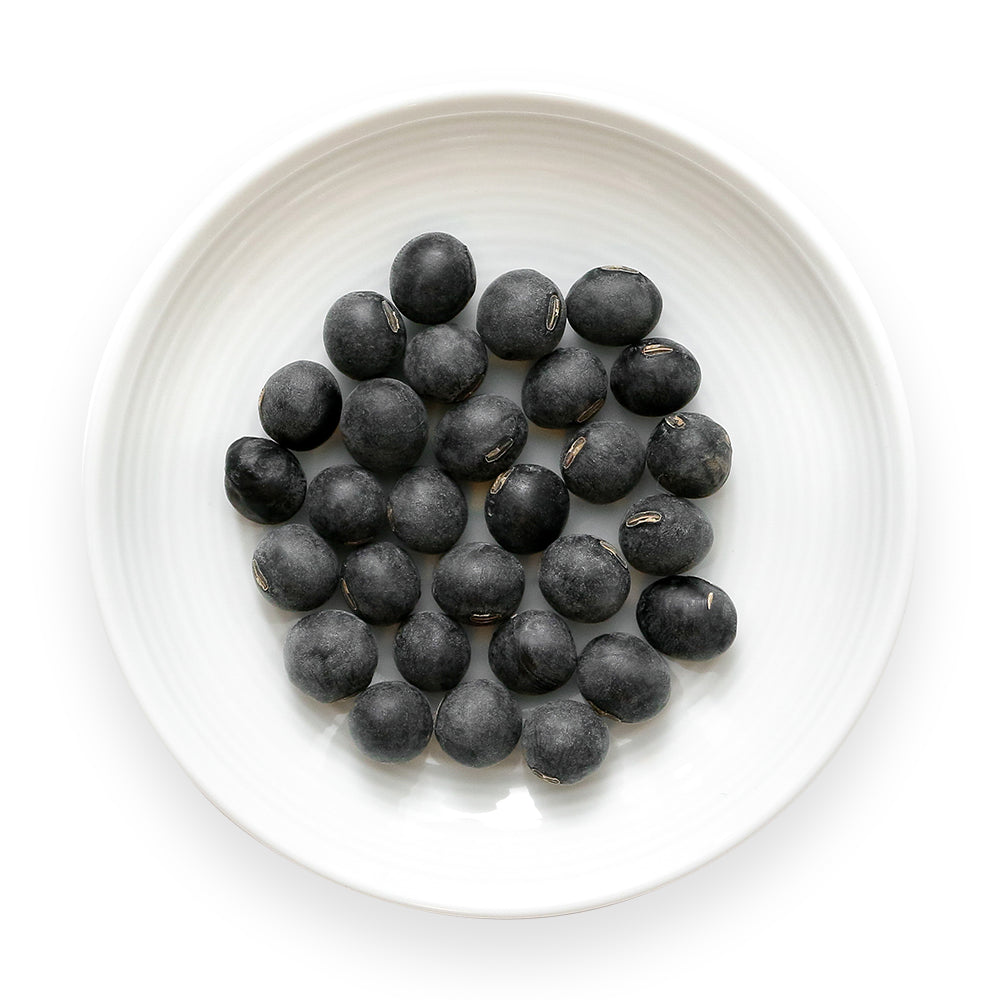
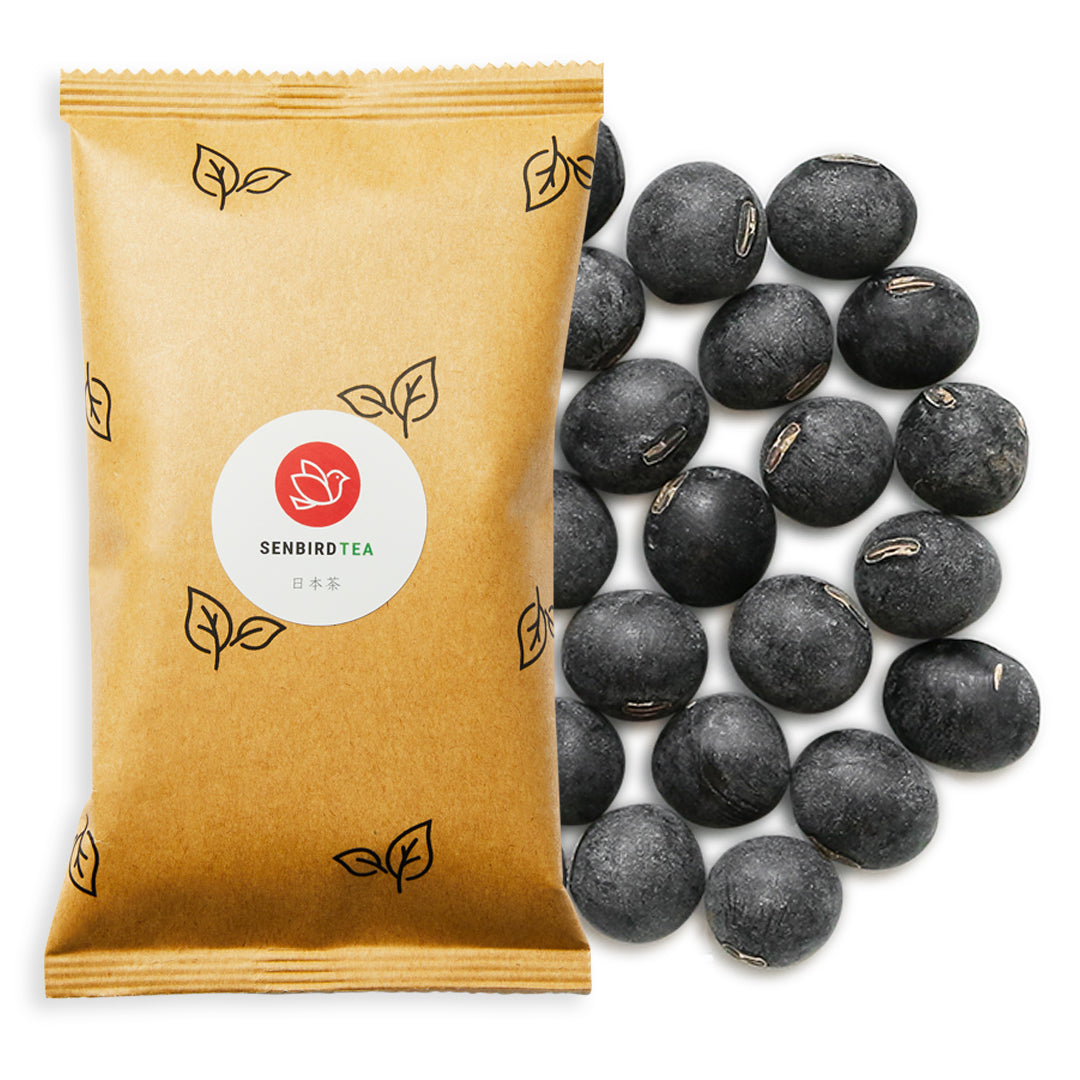
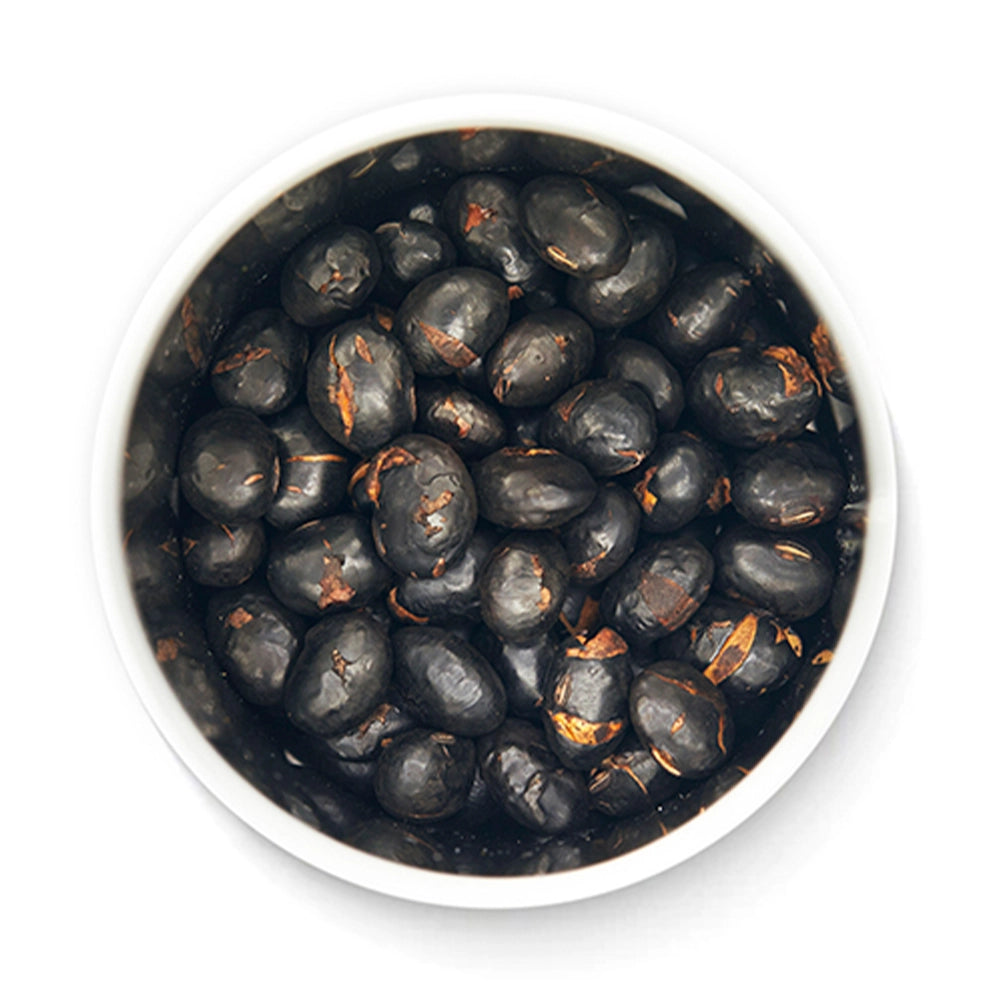
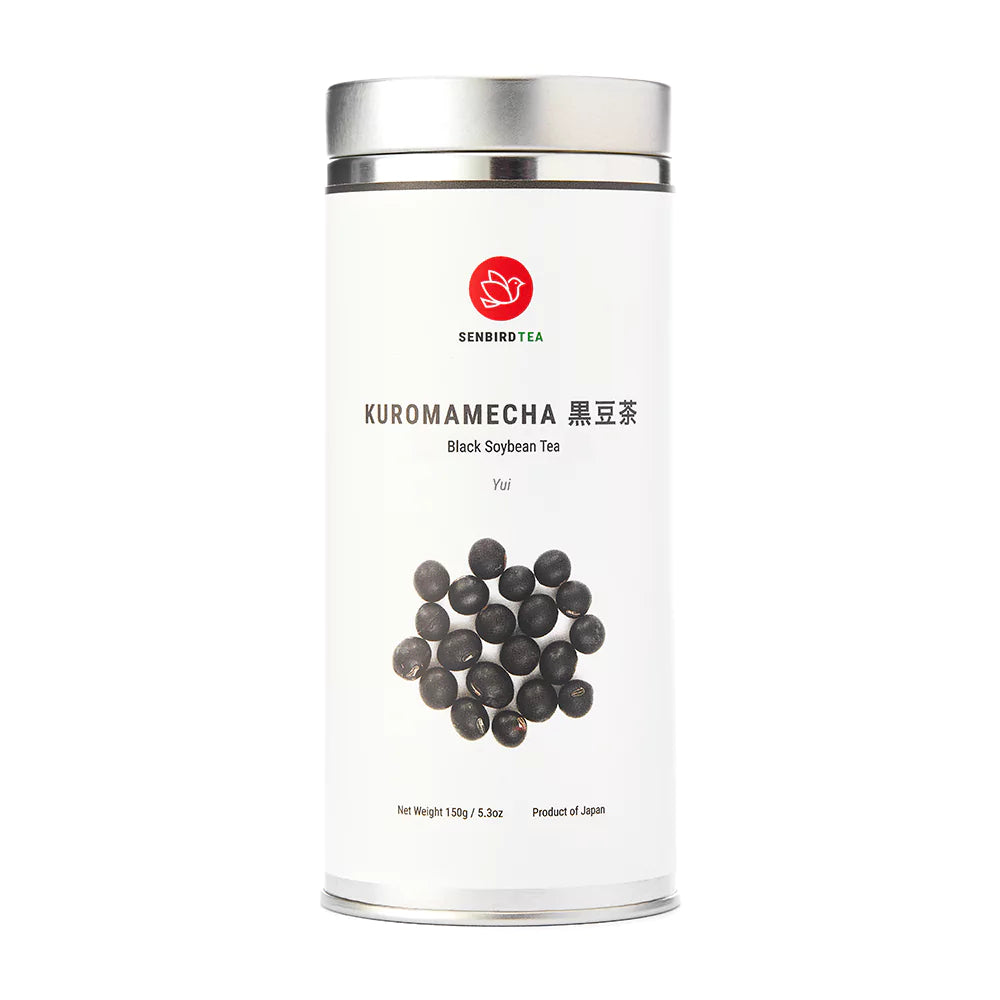
Kuromamecha, or black soybean tea, is one of the best teas for sleep thanks to its naturally caffeine-free profile and rich, toasty flavor reminiscent of roasted nuts. It’s one of the most soothing herbal teas before bed — warm, slightly sweet, and completely free of any stimulants. In Japan, kuromame (black soybeans) are considered a symbol of health and good fortune, and the tea made from them has been enjoyed for generations as a nourishing evening drink.
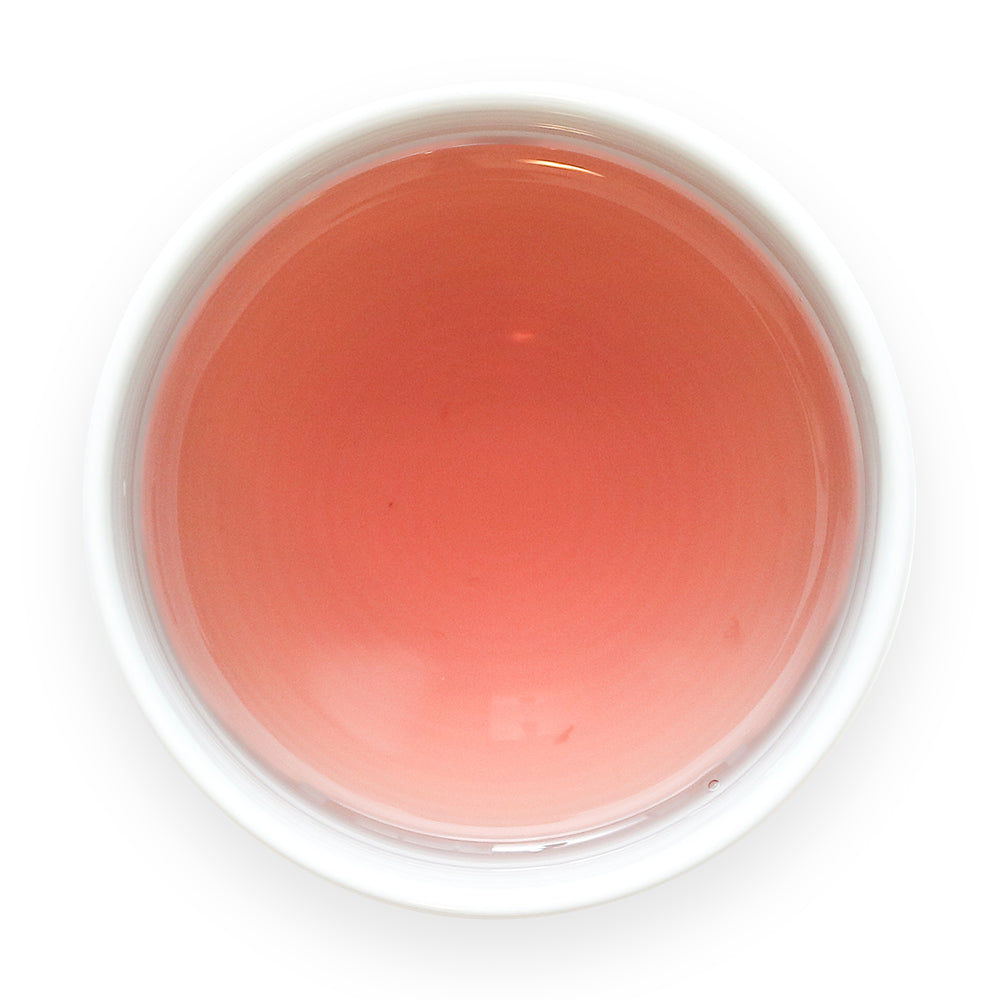
Senbird Tea's Kuromamecha Yui delivers a beautifully deep, amber brew with a gentle sweetness that needs no added sugar - perfect for satisfying a late-night craving without reaching for a snack.
Sobacha, or buckwheat tea, is another naturally caffeine-free option that's wonderfully suited to evening drinking. Its light, toasty flavor has a subtle nuttiness that feels warm and grounding without being heavy. Sobacha is also rich in rutin, a flavonoid that supports circulation and relaxation - a welcome bonus when you're trying to settle in for the night.
Senbird Tea's Sobacha Aiji brews into a clear, golden cup with a clean, satisfying finish that pairs beautifully with a quiet evening at home.
Mugicha, or roasted barley tea, is one of Japan's most beloved everyday drinks - and it's completely caffeine-free. In Japan, mugicha is a summertime staple, traditionally brewed in large pitchers and served ice-cold to beat the heat. But its deep, roasty flavor and gentle sweetness are just as enjoyable served warm on a cool evening. Because it's naturally free of caffeine, you can drink it right up until lights out without any worry.
Hojicha is a roasted green tea with significantly less caffeine than most Japanese teas - typically only about 7-10 mg of caffeine per cup compared to 30-50 mg in regular sencha. The roasting process transforms the tea leaves from green to a warm reddish-brown, creating a toasty, caramel-like flavor that feels inherently cozy and comforting. While not completely caffeine-free, hojicha's minimal caffeine makes it a good option for the early evening hours.
Senbird Tea's Hojicha Homura is crafted from carefully selected tea leaves that are roasted to perfection, delivering a smooth, naturally sweet flavor with virtually no bitterness.
For those who prefer loose leaf, our loose leaf hojicha offers the same warm, comforting character in a traditional brewing format - perfect for an unhurried evening ritual.
Genmaicha Tsukimi is Senbird Tea's caffeine-free take on the classic genmaicha. Instead of blending roasted brown rice with green tea, Tsukimi pairs the rice with caffeine-free herbal tea, creating all the toasty, nutty comfort of traditional genmaicha without any caffeine at all. It's a wonderful choice for anyone who loves the warm, popcorn-like aroma of genmaicha but wants to enjoy it worry-free before bed.
Our caffeine-free genmaicha delivers that signature toasted rice warmth in every cup - like a cozy blanket for your evening routine.

One of the great advantages of caffeine-free herbal teas like kuromamecha, sobacha, mugicha, and Genmaicha Tsukimi is that you don't need to worry about timing at all - you can enjoy them right up until bedtime. For hojicha, which contains a small amount of caffeine, most sleep experts recommend finishing your last cup at least two hours before bed, though many people find hojicha's minimal caffeine doesn't affect their sleep at all.
The act of preparing loose leaf tea can itself become a powerful sleep cue. Warming your teapot, measuring the leaves, watching the water temperature - these deliberate, mindful actions help shift your nervous system from sympathetic (fight-or-flight) to parasympathetic (rest-and-digest) mode. Consider making tea preparation part of a broader evening routine that might include dimming lights, putting away screens, and settling into a comfortable space.
For evening teas, keep things simple. Hojicha brews beautifully at around 80°C (176°F) for 30-60 seconds. For our caffeine-free herbal teas - kuromamecha, sobacha, mugicha, and Genmaicha Tsukimi - you can use freshly boiled water and steep for 3-5 minutes. The longer steep brings out more of their naturally sweet, toasty character.

While we love all Japanese teas, some are better reserved for earlier in the day if sleep is your priority. Matcha, with its concentrated whole-leaf caffeine content of 60-70 mg per serving, is best enjoyed in the morning or early afternoon. Similarly, strong sencha and gyokuro, while rich in beneficial L-theanine, also pack a significant caffeine punch that could interfere with sleep if consumed too close to bedtime.

Drinking a Japanese tea for sleep works best as part of a holistic approach to better rest. Consider pairing your evening herbal tea before bed with other evidence-based sleep practices: maintaining a consistent sleep schedule, keeping your bedroom cool and dark, avoiding screens for at least 30 minutes before bed, and practicing gentle stretching or breathing exercises. The warmth of the tea itself can help lower your core body temperature after consumption - a physiological trigger for sleepiness - as your body works to cool back down.


Finding the best tea for sleep is a personal journey. Everyone’s sensitivity is different, and what works perfectly for one person might not be ideal for another. Start with a caffeine-free tea for sleep like kuromamecha, sobacha, or Genmaicha Tsukimi — you can enjoy these right up until bedtime without any worry. Once you've found your favorites, try adding hojicha to your early evening routine for its cozy, toasty warmth and minimal caffeine.
The beauty of Japanese tea for better sleep is that it offers not just a beverage, but an entire ritual of preparation and presence that naturally supports the transition from wakefulness to rest. Let each evening cup be an invitation to slow down, breathe deeply, and prepare for a night of restorative sleep.
黒豆茶結
A caffeine-free black soybean tea from Hokkaido with a savory aroma, sweet nutty flavor, and tender beans that can be enjoyed as a snack after brewing.