Shizuoka Prefecture produces approximately 40% of all Japanese green tea, making it the undisputed heartland of Japan's tea industry. Located along the Pacific coast of central Honshu with Mount Fuji as its iconic backdrop, Shizuoka has cultivated tea for over 700 years and remains home to more than 17,000 tea farms spanning roughly 15,200 hectares. From deep-steamed sencha to shade-grown gyokuro, the teas that emerge from Shizuoka's volcanic soil and misty mountain valleys represent the finest expressions of Japanese green tea craftsmanship — and many of the premium Japanese teas available at Senbird Tea trace their origins to this remarkable region.

Shizuoka's dominance in Japanese tea production is not accidental — it results from an extraordinary convergence of geography, climate, and centuries of accumulated expertise. According to the Shizuoka Tea Industry Association, the prefecture produced approximately 25,200 metric tons of aracha (crude tea) in 2023, representing roughly 36–40% of Japan's total tea output. The prefecture's 17,000+ tea farms range from sea-level coastal plantations to mountain gardens at elevations above 600 meters, creating a diversity of terroir that produces distinctly different flavor profiles within a single prefecture.
The economic impact is substantial. Tea contributes an estimated ¥150 billion ($1+ billion USD) annually to Shizuoka's economy, supporting everything from family farms in the Kawane highlands to large-scale processing facilities in Makinohara. The city of Shizuoka itself hosts the largest tea auction market in Japan, where buyers from across the country — including specialty retailers like Senbird Tea — compete for the year's finest harvests during the spring ichibancha (first flush) season each April and May.

Tea cultivation in Shizuoka dates to approximately 1241, when the Zen Buddhist monk Shōichi Kokushi (聖一国師) returned from Song Dynasty China and planted tea seeds on the slopes of Mount Ashikubo near present-day Shizuoka City. This origin story is well-documented in temple records and marks the beginning of what would become Japan's most productive tea-growing region. The seeds Kokushi brought were of a Chinese variety that adapted remarkably well to Shizuoka's volcanic soil and temperate maritime climate.
The Tokugawa shogunate (1603–1868) dramatically accelerated Shizuoka's tea development. After retiring from power, Tokugawa Ieyasu settled in Sunpu (now Shizuoka City) and became an enthusiastic patron of local tea cultivation. The shogunate later established protected tea gardens on Mount Nihondaira, producing tribute tea exclusively for the ruling class. When the samurai class was dissolved during the Meiji Restoration of 1868, thousands of former warriors resettled in Shizuoka and converted vast tracts of the Makinohara Plateau into tea plantations — creating what remains the largest continuous tea-growing area in Japan at over 5,000 hectares.
The modern era brought critical innovations. In the 1950s, Shizuoka tea producers pioneered the fukamushi (deep-steaming) technique, extending the steaming time during processing from the traditional 30–40 seconds to 60–120 seconds. This breakthrough produced a richer, less astringent green tea with a vibrant green color that became enormously popular throughout Japan. Today, fukamushi sencha accounts for approximately 75% of all sencha produced in Shizuoka.

Shizuoka's position between the Pacific Ocean and the Japanese Alps creates microclimates ideally suited for tea cultivation. The warm Kuroshio Current moderates coastal temperatures, reducing frost risk during the critical spring growing season. Meanwhile, mountain valleys in the interior trap morning mist that naturally shades tea plants, increasing chlorophyll and L-theanine production in the leaves — the same amino acid responsible for green tea's characteristic umami flavor and calming effects. This natural shading process is also the foundation of how matcha is cultivated.
The soil composition plays an equally important role. Volcanic ash deposits from Mount Fuji and the surrounding Hakone volcanic zone have enriched Shizuoka's soil with minerals including potassium, phosphorus, and magnesium over millennia. This andisol (volcanic ash soil) is slightly acidic — typically pH 4.5 to 5.5 — which is precisely the range where Camellia sinensis thrives. The soil's exceptional drainage prevents root waterlogging while retaining enough moisture to sustain the plants through dry periods. Senbird Tea sources teas from farms that leverage these natural advantages rather than relying heavily on chemical inputs.

Shizuoka is not a monolithic tea region — it encompasses at least four distinct production zones, each with characteristic terroir and specialty teas. Understanding these sub-regions reveals why Shizuoka teas can taste so dramatically different from one another.
Makinohara Plateau: Japan's largest contiguous tea field at over 5,000 hectares, located in western Shizuoka between the Oi and Kikugawa rivers. The flat terrain and consistent sunlight produce high-volume asamushi (light-steamed) and chumushi (medium-steamed) sencha. Makinohara tea is prized for its clean, refreshing flavor and bright golden-green liquor. This region accounts for approximately 30% of Shizuoka's total tea output.
Kawane (Kawanehon): A mountain valley region along the upper Oi River, where tea gardens sit at elevations of 200–600 meters. The steep terrain, morning fog, and significant day-night temperature differences produce teas with exceptional sweetness and floral aroma. Kawane sencha is considered among Japan's finest and regularly wins awards at the National Tea Competition. The region also produces exceptional gyokuro from its shade-covered mountain gardens. Senbird Tea features Kawane-grown teas in its premium collection for their distinctive mountain character.
Honyama: Located in the mountains north of Shizuoka City near the Abe River, Honyama has produced tea since the Kamakura period (1185–1333). The region's high-altitude gardens (300–800 meters) and mineral-rich mountain spring water create teas with a deep umami character and lingering sweetness unique to mountain-grown Japanese green tea. Honyama's annual production is relatively small, making its teas highly sought after by connoisseurs.
Tenryu: Nestled in the Tenryu River valley in northern Shizuoka, this region produces tea at some of the prefecture's highest elevations. Tenryu teas are known for their bold, robust flavor profile and rich amber-green color. Some Tenryu producers also create distinctive hojicha by roasting their mountain-grown leaves. The challenging mountain terrain means most harvesting is still done by hand, preserving artisanal quality but limiting production volume significantly.

Shizuoka's diverse geography allows it to produce nearly every major category of Japanese green tea. The table below compares the primary tea types cultivated across the prefecture's four main regions.
| Tea Type | Processing Method | Primary Region | Flavor Profile | Caffeine (per cup) |
|---|---|---|---|---|
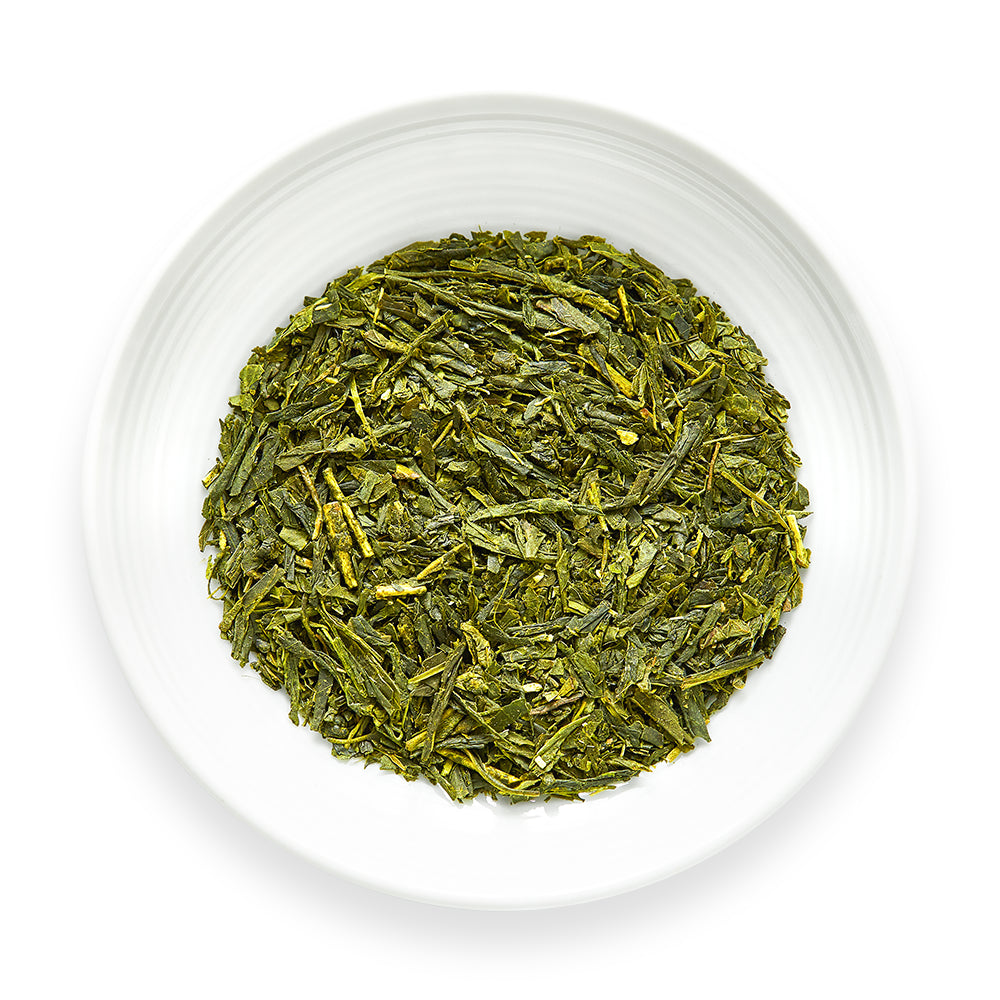
| Fukamushi Sencha | Deep-steamed (60–120 sec) | Makinohara, coastal areas | Rich, full-bodied, low astringency | 30–50 mg |
| Asamushi Sencha | Light-steamed (30–40 sec) | Kawane, Honyama mountains | Delicate, floral, clean finish | 30–50 mg |
| Gyokuro | Shade-grown 20+ days, steamed | Okabe (central Shizuoka) | Intense umami, sweet, full-bodied | 50–70 mg |
| Kabusecha | Shade-grown 7–14 days, steamed | Various highland areas | Balanced umami and vegetal notes | 40–60 mg |
| Matcha | Shade-grown, stone-ground tencha | Limited Shizuoka production | Creamy, rich, concentrated umami | 60–70 mg |
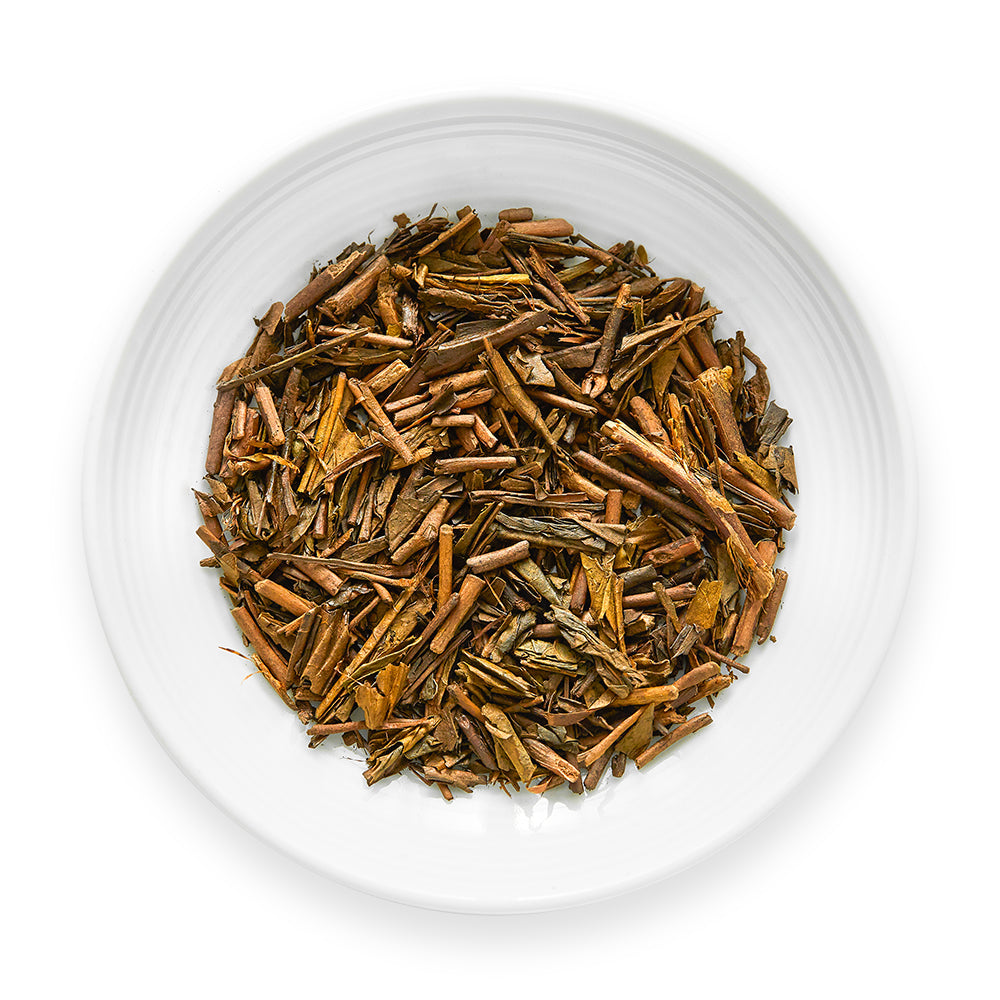
| Hojicha | Roasted sencha or bancha | All regions (secondary product) | Toasty, caramel, low bitterness | 10–20 mg |
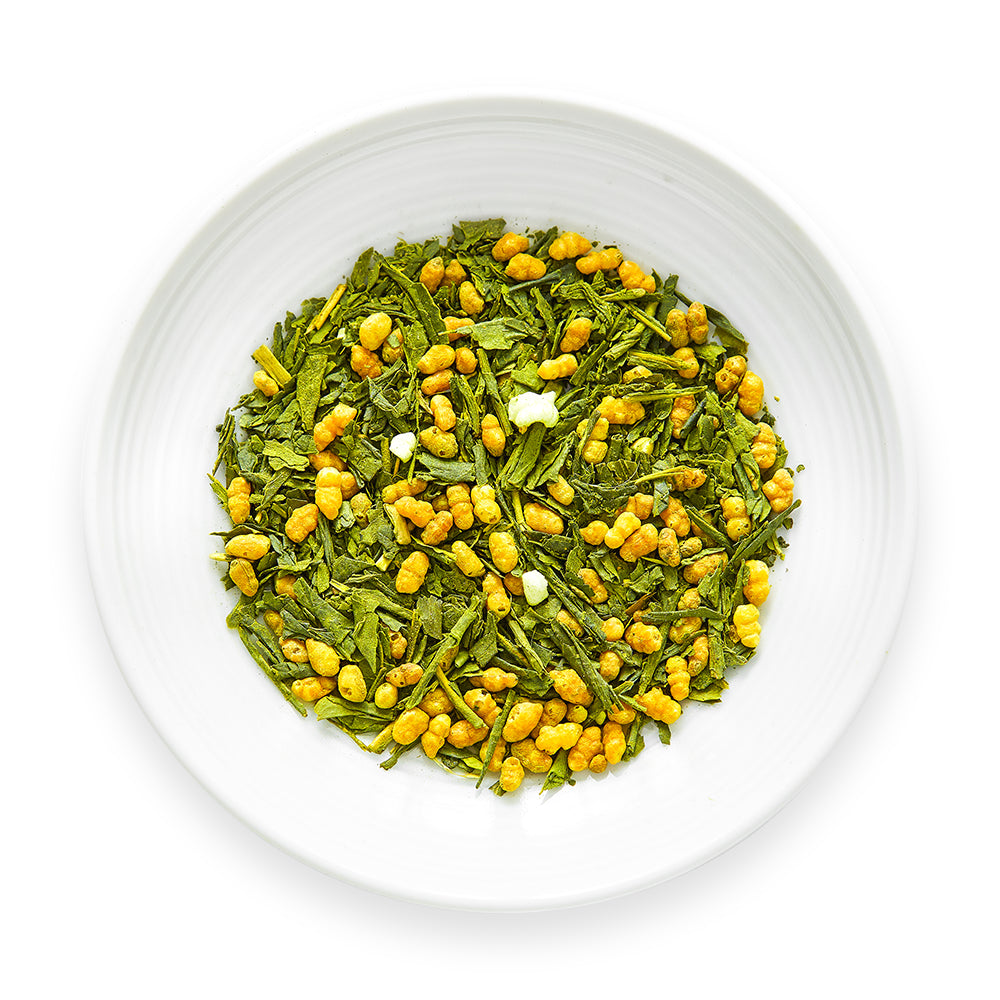
| Genmaicha | Sencha blended with roasted rice | All regions | Nutty, toasty, light sweetness | 20–30 mg |
Shizuoka Prefecture produces approximately 36–40% of all Japanese green tea, making it the country's largest tea-producing region by a significant margin. The prefecture's 17,000+ tea farms cultivate roughly 15,200 hectares and produce over 25,000 metric tons of aracha (crude tea) annually. Kagoshima Prefecture is the second-largest producer at approximately 30%, followed by Mie Prefecture at about 7%. Together, Shizuoka and Kagoshima account for roughly 70% of Japan's entire green tea output.
Shizuoka tea is distinguished by its volcanic soil terroir, diverse microclimates, and the widespread use of fukamushi (deep-steaming) processing. The volcanic ash deposits from Mount Fuji create mineral-rich, slightly acidic soil ideal for Camellia sinensis. Shizuoka's four distinct sub-regions — Makinohara, Kawane, Honyama, and Tenryu — each produce teas with unique characteristics ranging from bold coastal sencha to delicate mountain-grown varieties. Senbird Tea sources from multiple Shizuoka regions to offer this full spectrum of Japanese green tea flavor.
Fukamushi sencha is deep-steamed green tea where the initial steaming time is extended from the standard 30–40 seconds to 60–120 seconds. Shizuoka producers developed this technique in the 1950s to create a richer, less astringent tea with a vibrant green color and fuller body. The extended steaming breaks down leaf cell walls more thoroughly, releasing more flavor compounds and nutrients into the brew. Today, fukamushi sencha accounts for approximately 75% of all sencha produced in Shizuoka and is one of the most popular green tea styles in Japan.
The best time to visit Shizuoka for tea is late April through May during the ichibancha (first flush) harvest season. This is when the year's most prized leaves are picked, and tea farms, factories, and markets are at their most active. The city of Shizuoka hosts its annual tea festival during this period, and visitors can participate in tea picking experiences, factory tours, and tasting events. The Makinohara Plateau is particularly stunning in spring when the emerald green tea fields contrast with the snow-capped peak of Mount Fuji in the background.
Shizuoka green tea offers the same core health benefits as other high-quality Japanese green teas — rich in catechins (particularly EGCG), L-theanine, and vitamins C and E. However, Shizuoka's fukamushi sencha may deliver higher concentrations of these compounds per cup because the deep-steaming process breaks down leaf cells more completely, allowing more nutrients to dissolve into the water during brewing. Research at Shizuoka University has studied the health effects of green tea extensively, contributing to the scientific understanding of catechin bioavailability and the relationship between tea consumption and cardiovascular health.
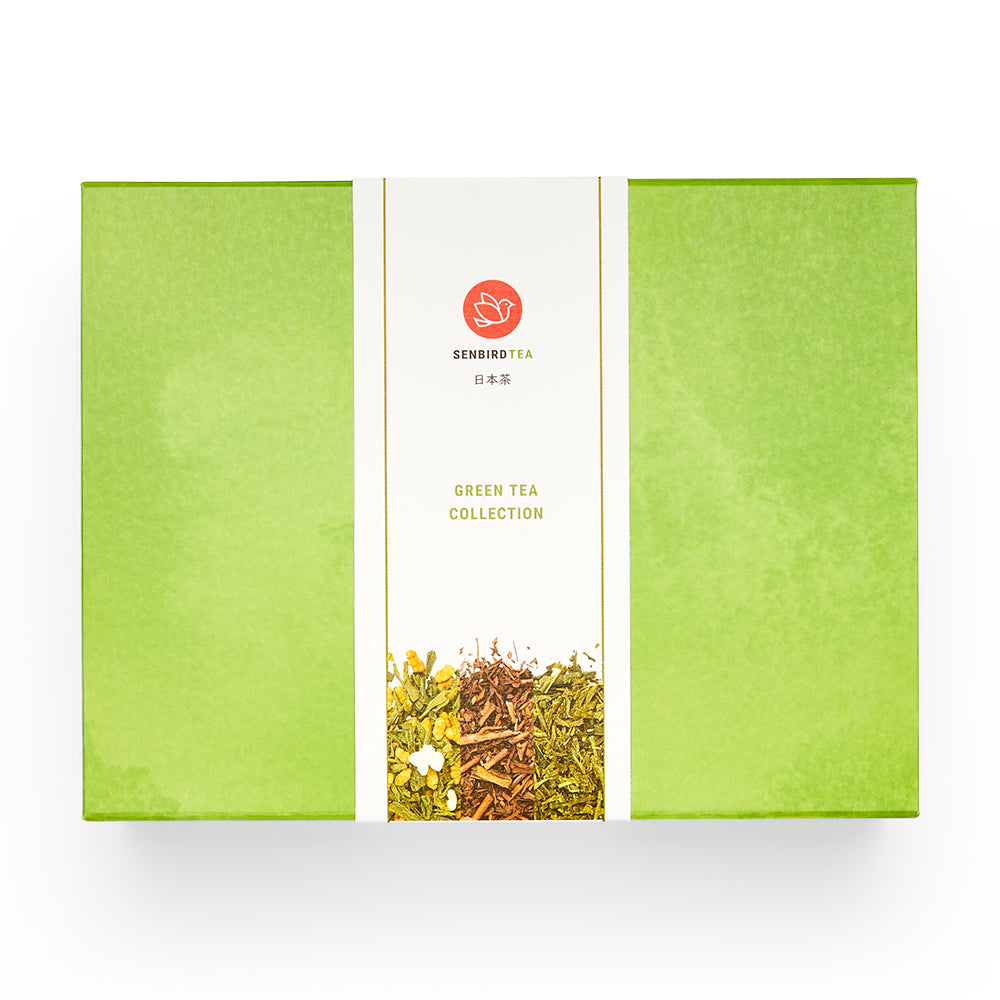
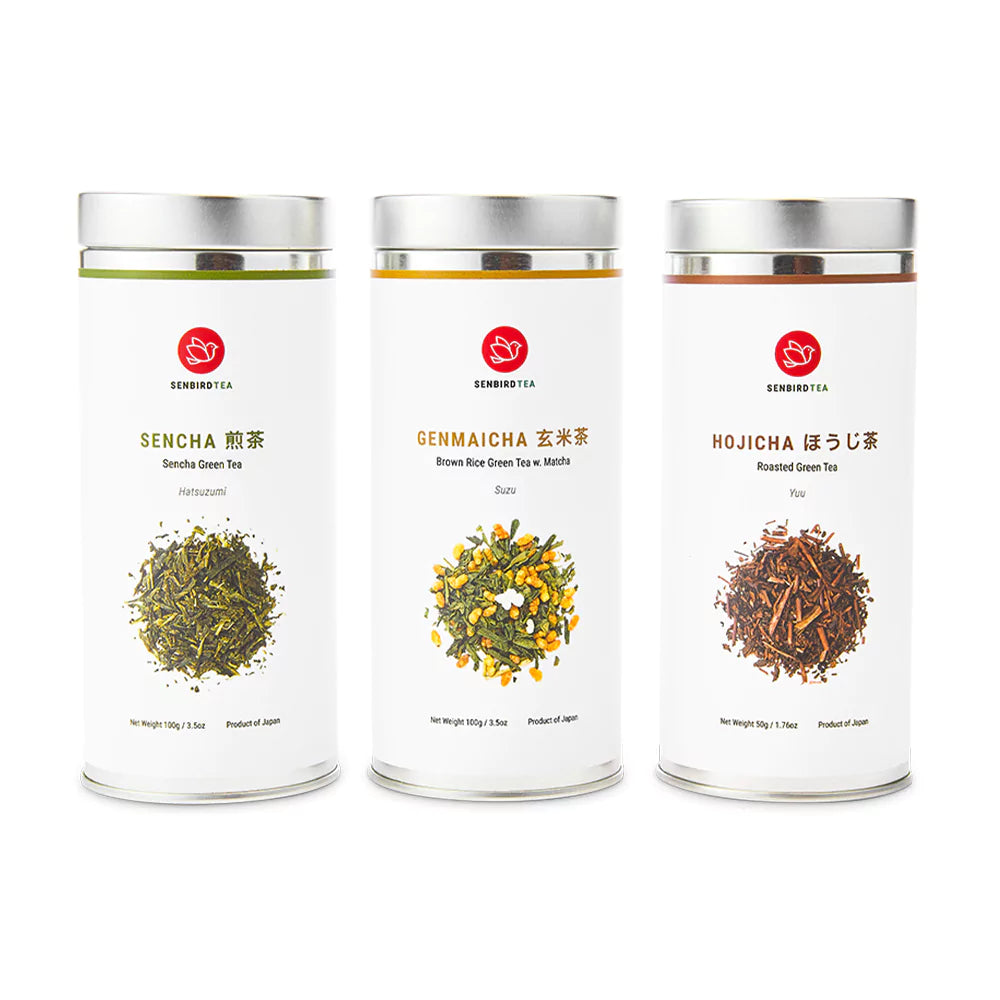
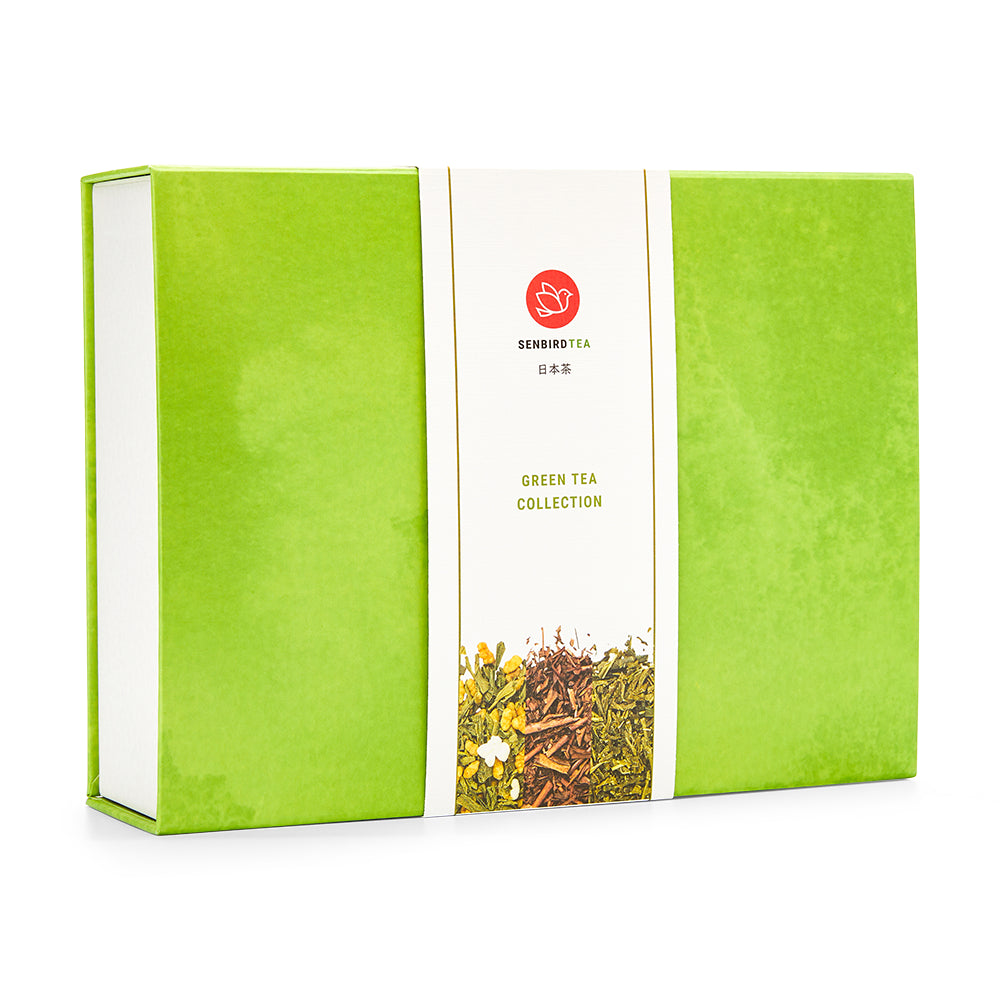
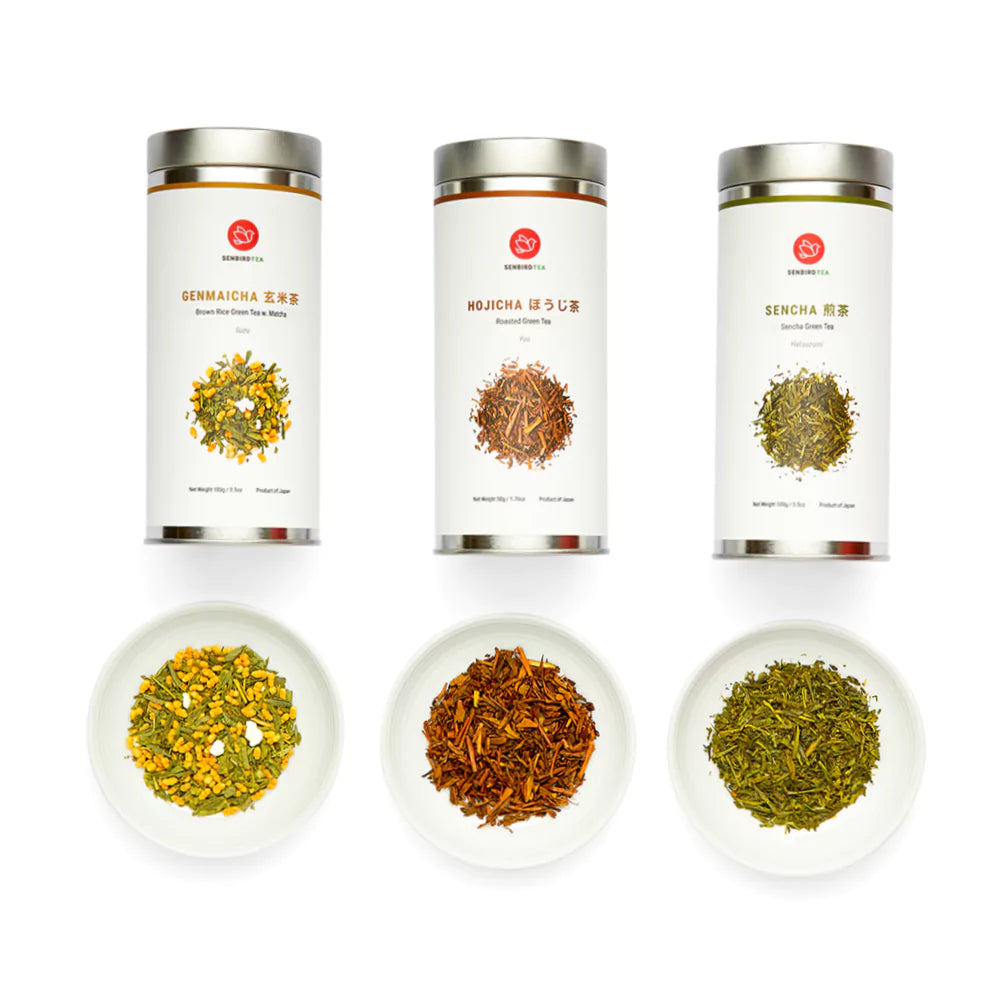
緑茶ギフトセット
A selection of best-selling Japanese green teas, perfect for tea lovers looking to explore the flavor and tradition of authentic Japanese tea.