Modal Title


Every cup of Japanese tea tells the story of where it was grown — the volcanic soil beneath Shizuoka’s rolling fields, the morning river fog that envelops Uji’s shade canopies, the subtropical warmth of Kagoshima’s early harvests. Japan’s four major tea regions each produce teas with distinctive character shaped by elevation, climate, and centuries of cultivation tradition. Understanding these regions is the first step to discovering which Japanese teas match your palate — and why Senbird Tea sources directly from the farmers who know their terroir best.

Japan produces approximately 80,000 metric tons of tea annually across more than 20 prefectures. However, the majority of production is concentrated in a handful of regions, each with distinct characteristics:
| Region | % of Production | Signature Teas | Flavor Profile |
|---|---|---|---|
| Shizuoka | 36% | Sencha, Fukamushi Sencha | Balanced, clean, vegetal |
| Kagoshima | 33% | Sencha, Matcha, Kabusecha | Rich, sweet, deep umami |
| Mie | 8% | Kabusecha, Sencha | Mild, sweet, smooth |
| Uji (Kyoto) | 3% | Matcha, Gyokuro, Sencha | Complex, intense umami |
| Fukuoka | 5% | Gyokuro, Sencha | Rich, full-bodied |
| Miyazaki | 4% | Sencha, Kamairicha | Pan-fired, light, floral |
| Saitama (Sayama) | 2% | Sayamacha (fire-dried) | Bold, roasted, robust |

Shizuoka Prefecture, located along Japan's Pacific coast in the shadow of Mount Fuji, is the country's most productive tea region. The prefecture's tea history dates to the 13th century, and today its rolling green tea fields are among Japan's most iconic landscapes.
Terroir: Shizuoka's location between the Pacific Ocean and the Japanese Alps creates a temperate maritime climate with warm summers, mild winters, and regular rainfall (1,500–2,000 mm annually). The volcanic soil from Mount Fuji provides rich mineral content — particularly phosphorus and potassium — that nourishes tea plants and produces clean, balanced flavors.
Signature Style: Shizuoka is the birthplace of fukamushi sencha (deep-steamed sencha), a style developed in the 1960s where leaves are steamed 2–3 times longer than standard sencha. This produces a richer, more full-bodied cup with less astringency — a style now beloved throughout Japan. The region's standard sencha is characterized by a clean, vegetal flavor with balanced umami and a refreshing finish.
Notable Growing Areas: Makinohara Plateau (Japan's largest tea plantation), Kawane (high-altitude artisan teas), and Honyama (mountain-grown premium sencha). Each sub-region within Shizuoka has its own microclimate and specialty.
Shizuoka is also home to the Chagusaba (茶草場) method, a centuries-old practice where farmers cut surrounding pampas grass and bamboo grass each winter, dry it through a process called kapposhi, and lay it between tea bush furrows as natural mulch. Recognized by the United Nations FAO as a Globally Important Agricultural Heritage System in 2013, Chagusaba reflects the deep connection between Shizuoka's tea culture and sustainable land stewardship.

Despite producing only about 3% of Japan's tea by volume, Uji is arguably the most famous and prestigious tea region in the world. Located in southern Kyoto Prefecture along the Uji River, this region has produced tea since the 12th century.
Terroir: Uji's unique geography creates ideal conditions for shade-grown teas. Morning fog from the Uji River provides natural shade and humidity, while the region's clay-rich soil retains moisture and minerals. Cool nighttime temperatures slow leaf growth, concentrating amino acids — particularly L-theanine — that produce deep umami flavor.
Signature Style: Uji is the undisputed capital of matcha and gyokuro production. The shade-growing techniques (tana canopy structures) that define these premium teas were developed here. Uji matcha is characterized by intense sweetness, rich umami, and a vibrant emerald color that sets the global standard. Senbird Tea's matcha is sourced from this prestigious region.
Notable Growing Areas: Wazuka (70% of Uji tea production), Ujitawara (birthplace of sencha inventor Nagatani Sōen), and Minami-Yamashiro (traditional gyokuro production). The phrase "Uji matcha" on packaging indicates the tea was processed in the Uji region, though leaves may be grown in nearby areas.

Kagoshima Prefecture, located on Japan's southernmost main island of Kyushu, has rapidly grown from a minor tea producer to Japan's second-largest tea region, now rivaling Shizuoka in output.
Terroir: Kagoshima's subtropical climate offers Japan's longest growing season, allowing earlier first harvests (shincha as early as March, compared to May in other regions). The volcanic soil from Mount Sakurajima creates mineral-rich growing conditions with excellent drainage. The warm, humid climate produces leaves with deep green color and pronounced sweetness.
Signature Style: Kagoshima teas tend to be sweeter and less astringent than their Shizuoka counterparts, with rich umami and a round, full mouthfeel. The region has invested heavily in matcha production, building modern processing facilities that rival Uji's quality. Kagoshima also leads in organic tea production, with many farms achieving JAS organic certification.
Notable Growing Areas: Chiran (renowned for premium sencha), Kirishima (high-altitude teas with floral notes), and Ei (organic farming pioneers). The Chiran area in particular has become famous for producing some of Japan's most awarded competition teas.

Mie Prefecture, between Kyoto and Shizuoka on Japan's eastern coast, is Japan's third-largest tea producer but remains relatively unknown internationally. This is partly because much of Mie's tea has historically been blended into teas marketed under other regional names.
Terroir: Mie's climate is moderated by the Pacific Ocean, with moderate rainfall and consistently mild temperatures. The region's kabusecha (partially shade-grown tea, shaded for 7–14 days) benefits from this stable climate, producing teas with a balance of umami and refreshing brightness.
Signature Style: Mie produces excellent kabusecha — a style that bridges the gap between sun-grown sencha and fully shade-grown gyokuro. These teas offer enhanced sweetness and umami without the intense richness of gyokuro, making them approachable yet complex. Senbird Tea values Mie's kabusecha as a versatile everyday tea.

Fukuoka (Yame): The Yame region in Fukuoka Prefecture produces some of Japan's finest gyokuro. Yame gyokuro has won the national tea competition (Nihon-cha Award) more times than any other region. The area's mountain fog and mineral-rich soil create teas with extraordinary depth and sweetness.
Miyazaki: Known for kamairicha, a pan-fired green tea unique to Kyushu. Unlike most Japanese green tea (which is steamed), kamairicha is fired in iron pans, producing a distinctly light, floral, almost Chinese-style flavor — a fascinating outlier in Japanese tea.
Saitama (Sayama): Sayama tea, grown in the hills northwest of Tokyo, is fire-dried at the final processing stage, creating a distinctive roasted aroma called "Sayama-bi." This bold, robust tea is especially popular in the Kanto region.

Just like wine, tea terroir dramatically affects flavor. Here's a simplified guide to choosing by taste preference:
| If You Like... | Try Teas From... | Why |
|---|---|---|
| Clean, balanced, easy-drinking | Shizuoka | Maritime climate, volcanic soil, balanced profiles |
| Sweet, rich, deep umami | Kagoshima or Uji | Warm climate / shade-growing concentrates amino acids |
| Gentle, smooth, approachable | Mie | Kabusecha tradition, moderate shade, stable climate |
| Bold, roasted, robust | Saitama (Sayama) | Fire-drying process adds roasted depth |
| Light, floral, unique | Miyazaki | Pan-fired kamairicha, rare and distinctive |
| The absolute finest gyokuro | Fukuoka (Yame) | Most-awarded gyokuro region in Japan |
There is no single "best" region — it depends on what you're looking for. Uji (Kyoto) is considered the most prestigious for matcha and gyokuro. Shizuoka produces the most tea and is known for excellent sencha. Kagoshima offers rich, sweet teas and leads in organic production. Senbird Tea sources from multiple regions to provide the best tea for each specific variety.
Uji matcha commands premium prices due to limited production volume (only 3% of Japan's tea), centuries of cultivation expertise, ideal terroir conditions, and meticulous shade-growing and stone-grinding processes. The Uji name carries significant prestige in Japan, similar to "Champagne" in wine. However, exceptional matcha is now also produced in Kagoshima and other regions at more accessible prices.
Shizuoka teas tend to be cleaner, more balanced, and slightly more astringent, reflecting the cooler climate and volcanic soil. Kagoshima teas are generally sweeter, richer, and less astringent due to the warmer subtropical climate and longer growing season. Shizuoka is known for fukamushi (deep-steamed) sencha, while Kagoshima excels at organic and shade-grown teas.
Historically, matcha came primarily from Uji (Kyoto). Today, significant matcha production also occurs in Kagoshima, Aichi (Nishio), and Mie prefectures. Uji remains the gold standard for ceremonial matcha, while Kagoshima has emerged as a major producer of high-quality culinary and premium matcha. The "Uji matcha" designation indicates processing in the Uji region.
Tea is grown commercially in over 20 of Japan's 47 prefectures, but the majority of production is concentrated in 7 major regions: Shizuoka, Kagoshima, Mie, Kyoto (Uji), Fukuoka, Miyazaki, and Saitama. Each region has developed distinct styles, cultivars, and processing traditions over centuries, creating a diversity of flavor profiles that makes Japanese tea endlessly fascinating to explore.
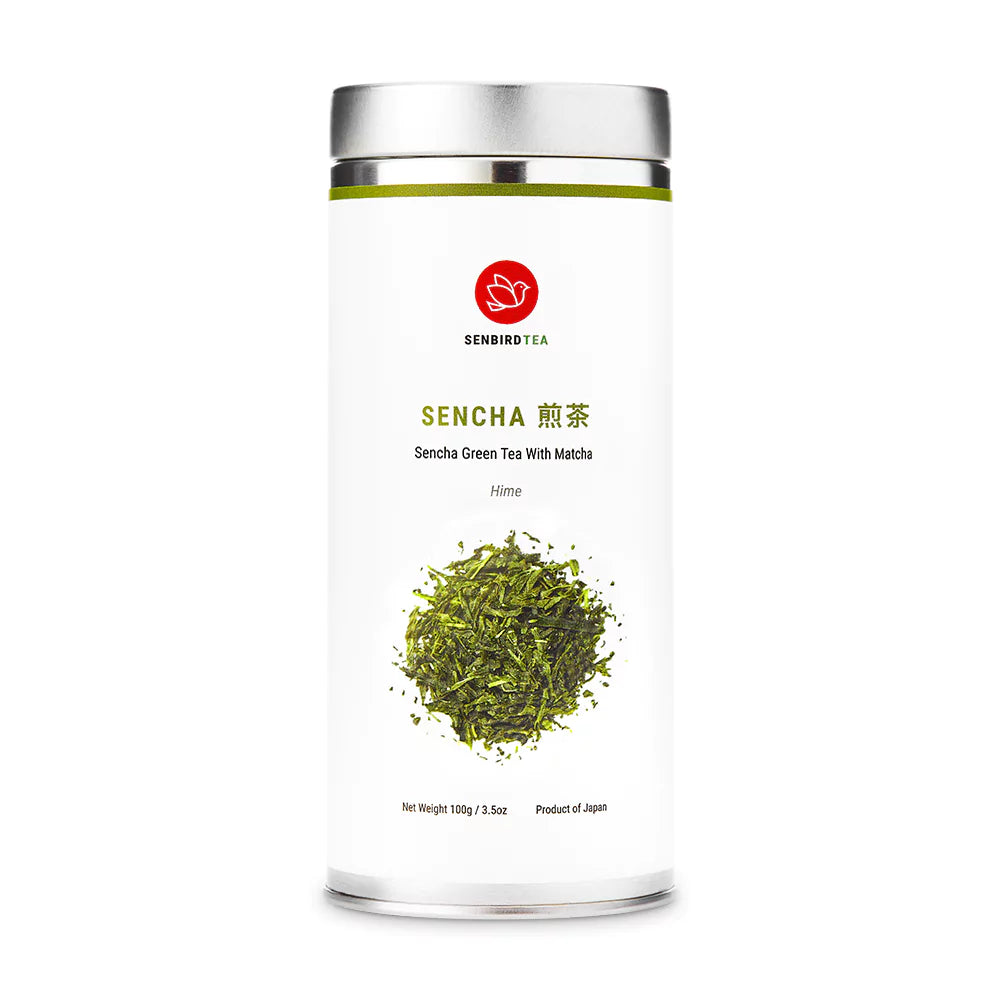
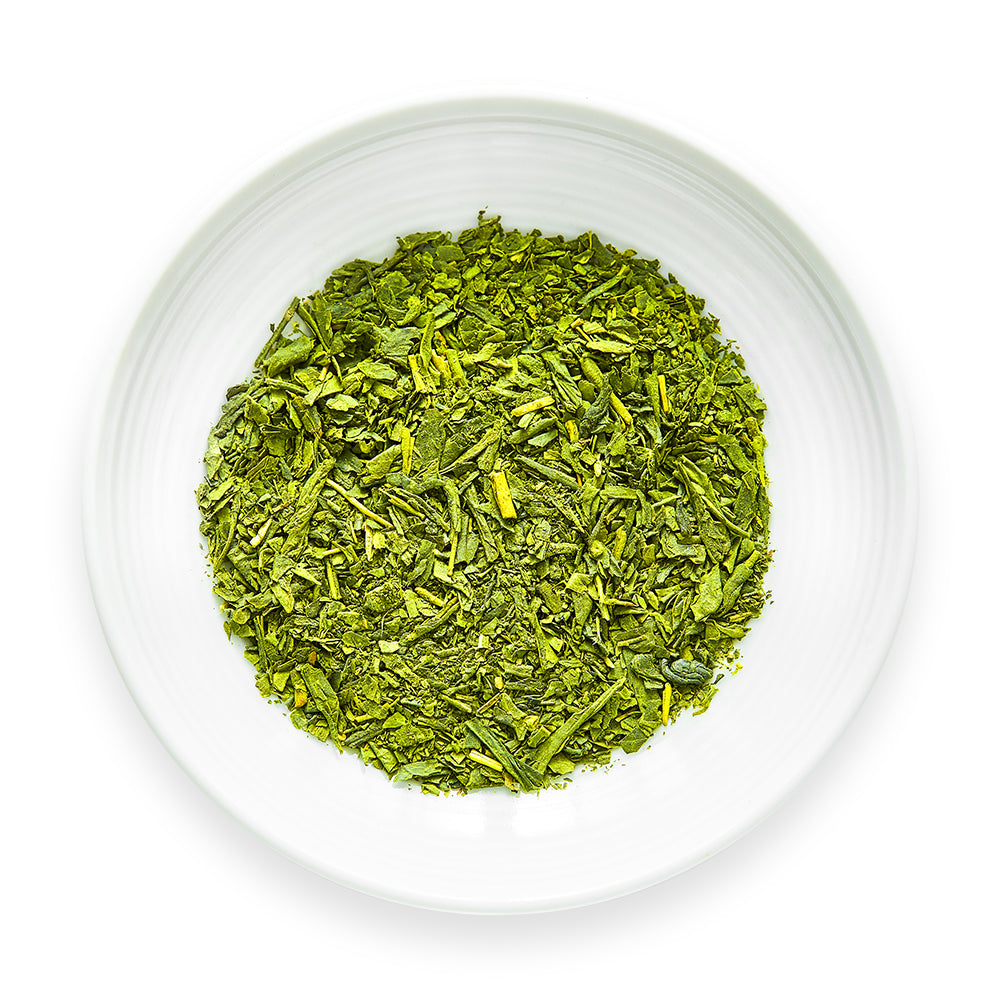
抹茶入り煎茶姫
A deep-steamed sencha blended with Kyoto matcha for a vibrant, refreshing green tea rich in antioxidants and gentle energy.