Pairing fruit with Japanese tea creates flavor combinations that enhance both the tea and the fruit, transforming a simple snack into an elevated tasting experience. The right fruit can highlight the umami sweetness of gyokuro, complement the roasted warmth of hojicha, or balance the bright vegetal notes of sencha. Senbird Tea has identified nine exceptional fruit pairings across green, black, and herbal Japanese teas that will deepen your appreciation for the nuanced flavors in every cup.

The bright, vegetal sweetness of sencha pairs beautifully with fresh strawberries. The mild astringency of sencha cuts through the strawberry's natural sweetness, while the fruit's acidity highlights the tea's refreshing quality. This pairing works especially well with first-flush Senbird Tea sencha, where the tea's higher amino acid content creates a natural affinity with the berry's sweetness. Serve sliced strawberries alongside your cup for a classic Japanese-inspired afternoon tea combination.
Gyokuro's intense umami richness finds its perfect complement in the delicate sweetness of Japanese melon or honeydew. The savory depth of shade-grown gyokuro from Senbird Tea contrasts elegantly with melon's clean, floral sweetness, creating a pairing where neither element overpowers the other. In Japan, premium melon and gyokuro are both considered luxury items, and together they represent the pinnacle of refined taste. The cool sweetness of the melon refreshes the palate between sips of the concentrated, umami-rich tea.
The bold, slightly bitter vegetal character of matcha harmonizes surprisingly well with ripe mango's tropical sweetness. Mango's creamy texture and intense fruit flavor provide a counterbalance to matcha's grassy, umami-rich depth. This combination from Senbird Tea is popular in both food pairing and dessert applications, as matcha-mango smoothie bowls and matcha with dried mango have become staples of the modern wellness aesthetic. The vitamin C in mango may also enhance the absorption of matcha's catechin antioxidants.
Genmaicha's toasted rice character creates a warm, nutty foundation that pairs naturally with the honey-like sweetness of ripe persimmon. Both genmaicha and persimmon are deeply embedded in Japanese autumn food culture, making this a seasonally authentic pairing. The gentle astringency in Senbird Tea genmaicha complements persimmon's dense, jammy texture, while the toasted rice notes echo the fruit's own warm, harvest-season character. Fuyu persimmons sliced thin make the best accompaniment, as their firm texture provides pleasant contrast to the warm tea.
The roasted, caramel-like warmth of hojicha pairs wonderfully with the crisp sweetness of apple. This combination evokes the comforting flavors of autumn, with hojicha's toasted notes mimicking the warmth of baked apple desserts. Senbird Tea hojicha served alongside thinly sliced Fuji or Honeycrisp apples creates a snack that is both satisfying and refreshing. For an elevated experience, try lightly warming apple slices with a touch of cinnamon and serving them alongside a steaming cup of hojicha for a Japanese-inspired take on the classic apple-and-spice combination.

Japanese wakoucha black tea has a naturally sweet, floral quality that aligns perfectly with ripe peach. Unlike bold Assam or Ceylon black teas that can overwhelm delicate fruit flavors, Senbird Tea's Wakoucha Honoka has a gentle, nuanced character that lets the peach's fragrance and sweetness shine. The stone fruit notes that many tasters detect in quality wakoucha create a natural bridge to actual peach, making this pairing feel harmonious and intuitive. Both white and yellow peaches work beautifully, with white peaches offering a more floral and yellow peaches a more sweet-tart complement.

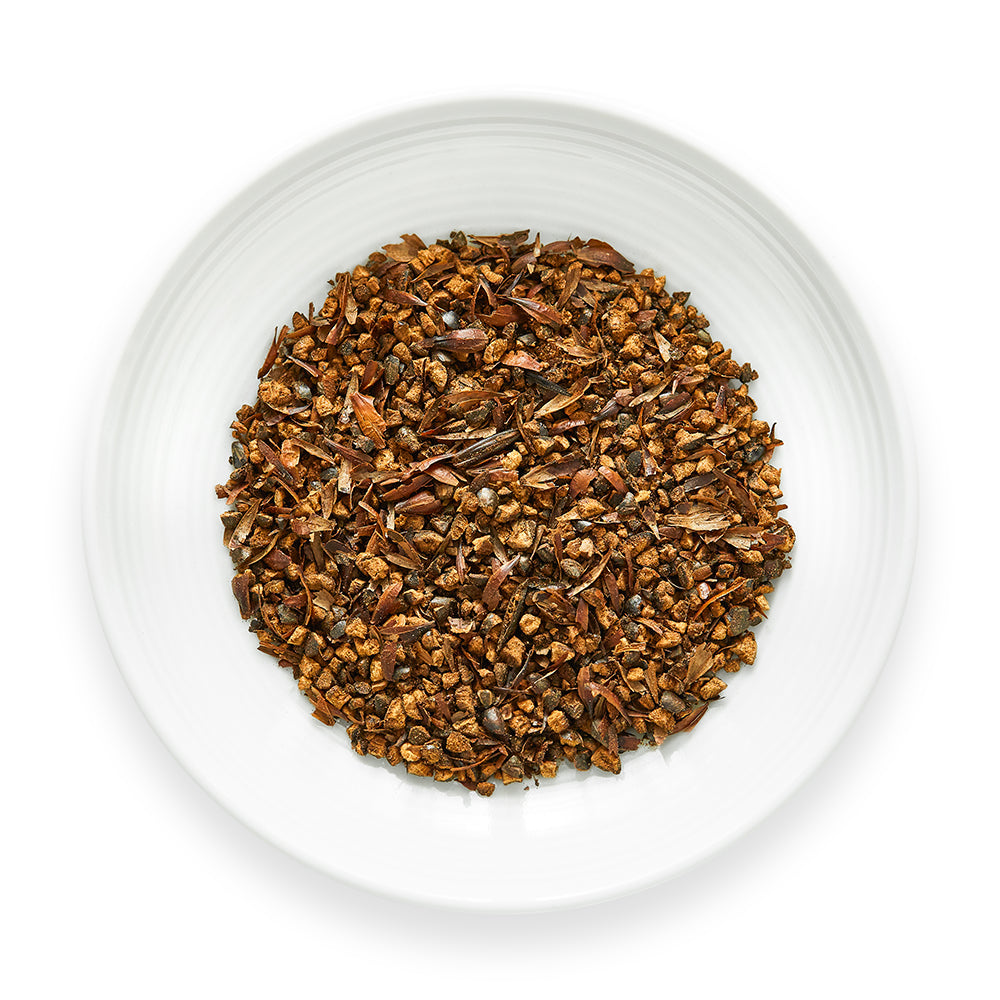
Cold-brewed mugicha and watermelon is a quintessential Japanese summer pairing that has been enjoyed for generations. The clean, toasted barley flavor of mugicha complements watermelon's refreshing sweetness without competing for attention. Both are hydrating, caffeine-free, and naturally cooling, making them ideal warm-weather companions. Senbird Tea mugicha served ice-cold alongside chilled watermelon wedges captures the essence of a Japanese summer afternoon. This pairing is also popular with children, as both components are mild, naturally sweet, and free of caffeine.
Kuromamecha, Japanese black soybean tea, pairs elegantly with both red and green grapes. The tea's subtle sweetness and roasted bean flavor complement the burst of natural grape sweetness and acidity. Both kuromamecha and dark grapes are rich in anthocyanin antioxidants, making this a particularly health-conscious pairing. Senbird Tea kuromamecha served at room temperature or slightly chilled alongside a small cluster of grapes creates a sophisticated, caffeine-free snack that works beautifully from morning to evening.
The nutty, grain-forward character of roasted buckwheat sobacha finds a delightful partner in the mild, honey-like sweetness of ripe pear. Asian pears are particularly well-suited to this pairing, as their crisp texture and clean sweetness complement the toasted character of Senbird Tea's Sobacha Aiji without overwhelming it. The combination works especially well in autumn and winter, when both pears and warm sobacha feel seasonally appropriate. Thin pear slices arranged on a plate beside a cup of freshly brewed sobacha make an understated, elegant refreshment.
| Japanese Tea | Best Fruit Pairing | Why It Works | Season |
|---|---|---|---|
| Sencha | Strawberries | Astringency balances sweetness | Spring |
| Gyokuro | Melon | Umami contrasts floral sweetness | Summer |
| Matcha | Mango | Tropical sweetness balances vegetal | Summer |
| Genmaicha | Persimmon | Toasted rice echoes harvest warmth | Autumn |
| Hojicha | Apple | Roasted warmth with crisp sweetness | Autumn/Winter |
| Wakoucha | Peach | Floral notes create natural bridge | Summer |
| Mugicha | Watermelon | Cool, hydrating summer classics | Summer |
| Kuromamecha | Grapes | Shared anthocyanin richness | Autumn |
| Sobacha | Pear | Nutty grain meets honey sweetness | Autumn/Winter |
Fruit pairs well with Japanese tea because of complementary flavor chemistry. Japanese green teas contain amino acids like L-theanine that create umami savory notes which contrast beautifully with fruit sweetness. The mild astringency in teas like sencha acts as a palate cleanser between bites of fruit, while the warmth of the tea enhances aromatic volatile compounds in the fruit. Senbird Tea selections are crafted with balanced flavor profiles that naturally complement rather than overpower fresh fruit, creating pairings where both elements taste better together than alone.
The most rewarding approach is to alternate between sips of tea and bites of fruit, allowing each to reset your palate for the next experience. Take a sip of Senbird Tea, notice the flavor, then eat a small piece of fruit and observe how it changes the taste sensations in your mouth. Then sip again and notice how the tea tastes different after the fruit. This alternating approach is similar to how Japanese kaiseki cuisine sequences flavors for maximum appreciation. Avoid eating fruit and sipping tea simultaneously, as this combines the flavors before you can appreciate their individual contributions.
While adding fruit directly to Japanese green tea is not traditional, it can create enjoyable flavored beverages. Cold-brewed Senbird Tea sencha with fresh strawberry slices or cold-brewed mugicha with watermelon cubes are refreshing summer options. However, adding fruit to hot brewed green tea can alter the tea's delicate flavor balance and may introduce acidity that clashes with umami notes. For hot preparations, it is generally better to enjoy the fruit alongside the tea rather than in it, preserving the integrity of both the tea and the fruit.
Very acidic fruits like grapefruit, pineapple, and unripe citrus can clash with the umami and vegetal notes in Japanese green tea, creating an unpleasant sourness that overwhelms the tea's subtle flavors. Extremely sweet tropical fruits like overripe banana can also mask the delicate character of lighter teas like gyokuro or sencha from Senbird Tea. The best pairings involve fruits with moderate sweetness and complementary rather than competing flavor profiles. When in doubt, fruits that are commonly enjoyed in Japan, such as persimmon, melon, peach, and pear, tend to pair most naturally with Japanese teas.
Dried fruits can make excellent Japanese tea pairings, especially with roasted teas like hojicha and genmaicha where the concentrated sweetness of dried fruit complements the toasty flavor notes. Dried persimmon, a traditional Japanese delicacy, pairs beautifully with Senbird Tea genmaicha. Dried mango alongside matcha and dried apple rings with hojicha are also excellent combinations. Dried fruits have the practical advantage of year-round availability and longer shelf life, making them convenient pantry items for spontaneous tea pairing sessions any time of year.
麦茶樹
A smoky, full-bodied barley tea with toasty, nutty notes and zero caffeine, perfect for refreshing moments shared with family and friends.