

When a sore throat strikes, a warm cup of tea provides both immediate physical relief and targeted therapeutic compounds that address the underlying inflammation. The warmth soothes irritated tissue, the steam helps open congested airways, and specific bioactive compounds in certain teas actively reduce inflammation, fight bacterial growth, and coat the throat with a protective layer. This guide from Senbird Tea covers six teas backed by scientific research for sore throat relief — from the antibacterial power of ginger to the catechin-rich immune support of Japanese green tea.
The information provided in this article is for educational and informational purposes only and is not intended as medical advice. It should not be used as a substitute for professional medical advice, diagnosis, or treatment. Always consult your physician or other qualified healthcare provider with any questions you may have regarding a medical condition or before making any changes to your diet or wellness routine.

Sore throats are caused by inflammation of the pharyngeal tissue, typically triggered by viral infections (the common cold, flu, COVID-19), bacterial infections (strep throat), environmental irritants (dry air, pollution), or vocal strain. Tea addresses sore throat symptoms through multiple mechanisms simultaneously. The warm liquid increases blood flow to the throat tissue, which accelerates healing and reduces the sensation of pain. Many teas contain polyphenols and flavonoids that directly inhibit inflammatory pathways, reducing swelling and irritation at the cellular level. Adding honey to any of these teas provides additional throat-coating and antimicrobial benefits — research in the journal BMJ Evidence-Based Medicine found honey to be more effective than usual care for upper respiratory tract symptoms.

Ginger is one of the most studied natural remedies for sore throat pain. The root contains gingerols and shogaols — compounds that research in the International Journal of Preventive Medicine has shown to inhibit the production of pro-inflammatory cytokines TNF-α and IL-1β while providing direct analgesic (pain-relieving) effects. A study in the Journal of Ethnopharmacology also demonstrated that ginger extract exhibited antibacterial activity against common throat pathogens including Streptococcus mutans and Staphylococcus aureus.
To prepare ginger tea for sore throat, slice 2 inches of fresh ginger root and steep in simmering water for 10-15 minutes. Add honey and lemon for enhanced throat coating and vitamin C. The resulting brew is warming, peppery, and immediately soothing. Drink 3-4 cups daily at the first signs of throat irritation for the strongest preventive effect.

Licorice root (Glycyrrhiza glabra) contains glycyrrhizin, a compound that medical research has shown to be remarkably effective for sore throat relief. A randomized controlled trial published in Anesthesia and Analgesia found that gargling with licorice root solution before surgery significantly reduced the incidence and severity of post-operative sore throat compared to placebo. The mechanism involves both anti-inflammatory action and the formation of a protective mucilaginous coating on irritated throat tissue.
Brew licorice root tea by steeping 1-2 teaspoons of dried root in boiling water for 10 minutes. The resulting infusion is naturally sweet — licorice root is approximately 50 times sweeter than sugar — making it pleasant to drink without any added sweetener. Note that licorice root should be consumed in moderation (no more than 3 cups daily) and avoided by people with hypertension, as glycyrrhizin can elevate blood pressure with excessive consumption.

Matcha from Senbird Tea delivers the highest concentration of catechins of any tea, with EGCG (epigallocatechin gallate) being the most therapeutically significant for sore throat support. Research published in the journal Molecular Nutrition and Food Research found that EGCG inhibits the replication of influenza virus and reduces viral adhesion to respiratory cells. Because matcha involves consuming the entire ground leaf, you receive up to 137 times more EGCG than from a cup of standard brewed green tea — making it one of the most potent antiviral teas available.
The L-theanine in Senbird Tea Matcha Otome ceremonial grade also provides a calming effect that helps the body rest and recover, while the moderate caffeine content offers gentle energy without the crash associated with coffee. Prepare matcha at a slightly lower temperature (165-175°F) when using it for sore throat relief, and consider adding honey and a squeeze of lemon for additional soothing and vitamin C benefits.

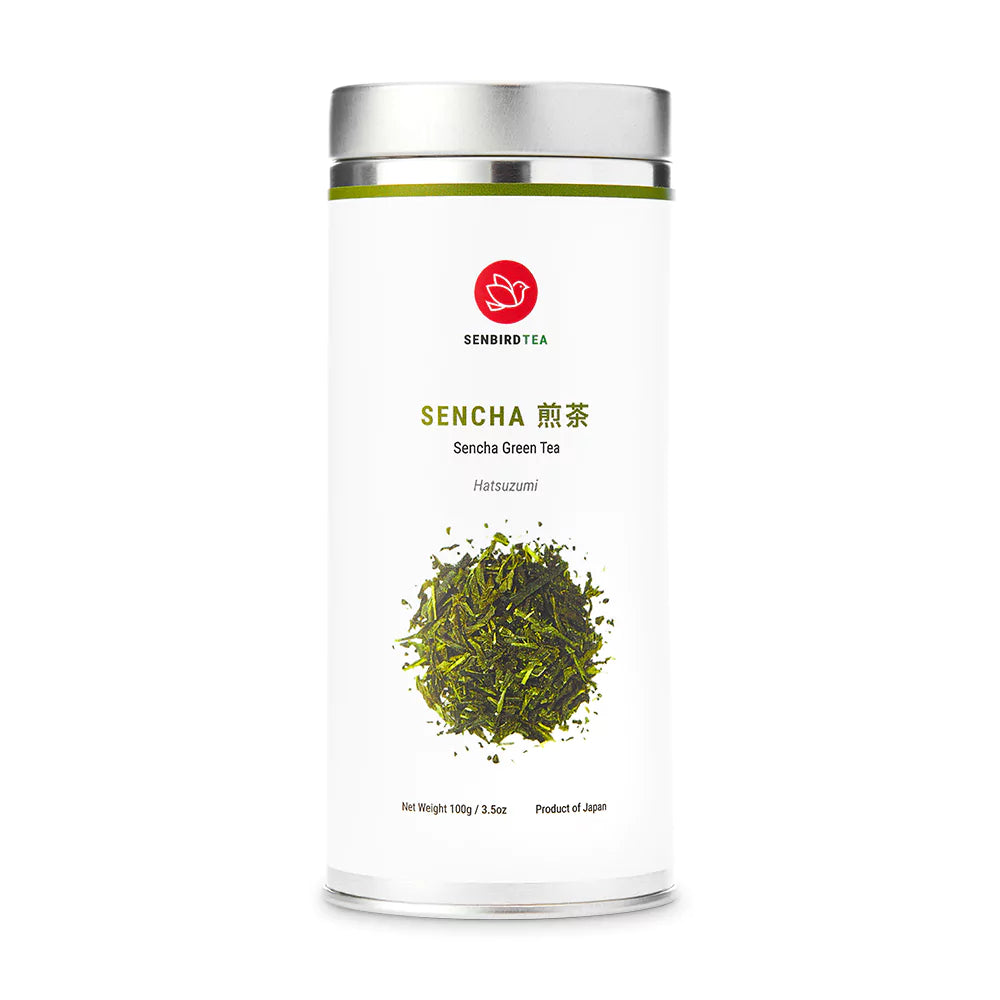
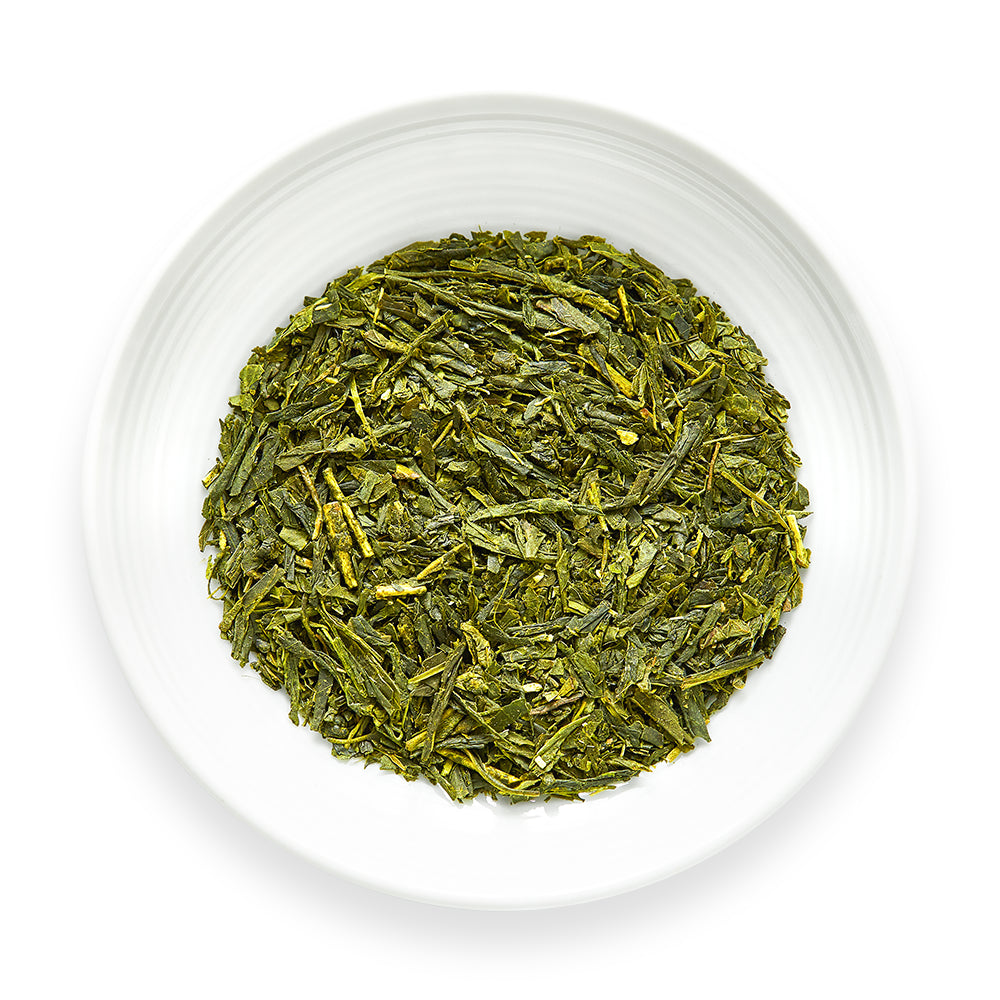
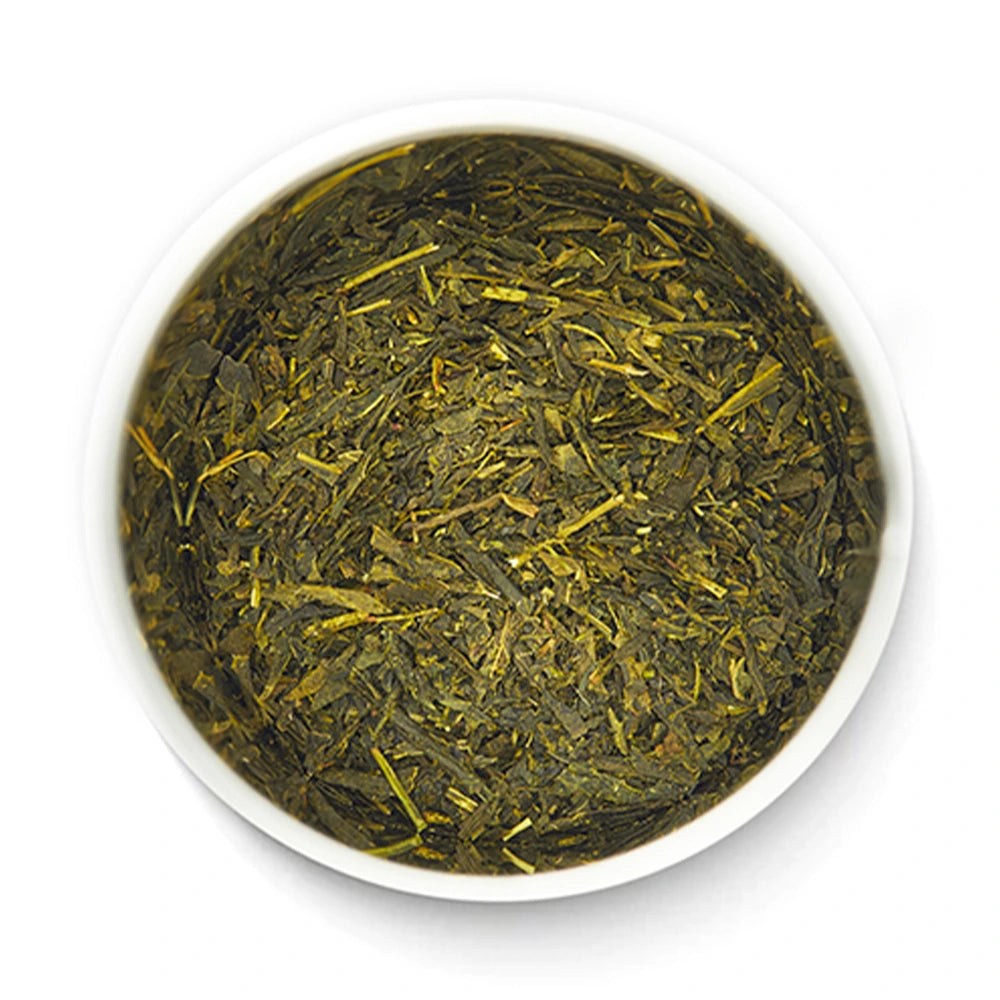
Sencha from Senbird Tea is rich in catechins that exhibit both antibacterial and antiviral properties relevant to sore throat treatment. A study published in the Journal of Dental Research demonstrated that green tea catechins inhibited the growth of Streptococcus species — the bacteria responsible for strep throat — at concentrations readily achievable through normal tea consumption. Gargling with warm brewed sencha before swallowing provides direct contact between the antibacterial catechins and throat pathogens.
Sencha Hatsuzumi green tea also provides significant vitamin C content, which supports immune function during illness. Brew at 160-170°F for 60 seconds, add honey for throat coating, and drink 3-5 cups throughout the day. The antioxidant protection from catechins supports the immune system's ability to fight the underlying infection while the warm liquid provides immediate comfort.

Chamomile has been used for sore throat relief for millennia, and modern research validates this traditional application. A study in Molecular Medicine Reports found that chamomile's primary active compound, apigenin, inhibits NF-κB — the master inflammatory signaling pathway — reducing the production of inflammatory mediators at the throat tissue level. Additional research demonstrated that inhaling chamomile steam helps reduce symptoms of the common cold, including sore throat.
Chamomile is naturally caffeine-free, making it ideal for evening use when sore throat pain often intensifies. The mild sedative properties of chamomile also promote sleep, which is critical for immune recovery. Brew chamomile by steeping dried flowers in just-boiled water for 5-7 minutes and add honey generously — the combination of chamomile's anti-inflammatory action and honey's antimicrobial throat-coating effect is particularly powerful.

Thyme (Thymus vulgaris) contains thymol, a phenol compound with potent antiseptic and antimicrobial properties that has been used in medicine for over 5,000 years. Research in the journal Biomedicine and Pharmacotherapy found that thyme extract exhibited strong antibacterial activity against respiratory pathogens and reduced cough frequency in subjects with acute bronchitis. Thyme tea works particularly well for sore throats accompanied by cough, as thymol acts as both an antimicrobial agent in the throat and an antispasmodic that calms the cough reflex.

| Tea | Key Compound | Primary Action | Caffeine | Best Time |
|---|---|---|---|---|
| Ginger | Gingerols | Anti-inflammatory + antibacterial | None | Anytime |
| Licorice Root | Glycyrrhizin | Throat coating + anti-inflammatory | None | Daytime (limit 3 cups) |
| Matcha | EGCG catechins | Antiviral + immune support | Moderate | Morning/afternoon |
| Sencha | Catechins, Vitamin C | Antibacterial + immune boost | Moderate | Morning/afternoon |
| Chamomile | Apigenin | Anti-inflammatory + sleep support | None | Evening/bedtime |
| Thyme | Thymol | Antiseptic + cough suppressant | None | Anytime |
Yes, honey is one of the most effective natural additions for sore throat relief. Research published in BMJ Evidence-Based Medicine analyzed 14 studies and concluded that honey was superior to standard care for reducing cough frequency, cough severity, and overall upper respiratory symptoms. Honey coats the irritated throat tissue with a protective layer, provides antimicrobial activity against common throat pathogens, and adds natural sweetness that makes medicinal teas more pleasant. Add 1-2 teaspoons to any Senbird Tea variety for enhanced sore throat relief. Use raw, unprocessed honey for maximum antimicrobial benefit.
For therapeutic benefit, aim for 4-6 cups of tea per day during the acute phase of sore throat symptoms. This provides consistent warmth and hydration to the inflamed tissue while delivering a steady supply of anti-inflammatory and antimicrobial compounds. Alternate between caffeinated teas (Senbird Tea matcha or sencha) during the day and caffeine-free options (ginger, chamomile, licorice root) in the evening. Staying well-hydrated is one of the most important factors in sore throat recovery, and tea is a more therapeutic hydration choice than plain water.
Regular green tea consumption may help prevent sore throats by strengthening immune function. A landmark Japanese study published in the American Journal of Preventive Medicine found that participants who consumed 3-5 cups of green tea daily had significantly lower rates of influenza infection compared to those who drank less. The catechins in Senbird Tea sencha and matcha appear to inhibit viral adhesion to respiratory cell surfaces, potentially preventing infection before symptoms develop. Gargling with green tea has also been studied as a preventive measure in Japanese schools and workplaces.
Warm tea (not boiling hot) is generally best for sore throat relief because the warmth increases blood flow to the throat tissue, which promotes healing and reduces pain. Extremely hot liquids can further irritate inflamed tissue, so allow your tea to cool to a comfortable drinking temperature before consuming. However, cold or room-temperature tea can also provide relief through a different mechanism — the cooling effect numbs pain receptors temporarily, similar to how ice reduces swelling. Some people alternate between warm and cold versions of Senbird Tea throughout the day based on which provides more comfort at a given moment.
While tea provides effective symptomatic relief for most sore throats, certain symptoms warrant medical attention. Consult a healthcare provider if your sore throat is severe and accompanied by fever above 101°F, if you have difficulty swallowing or breathing, if symptoms persist beyond 7 days without improvement, if you notice white patches or pus on your tonsils (which may indicate strep throat requiring antibiotics), or if you experience a sore throat repeatedly over a short period. Tea remedies from Senbird Tea are complementary measures that support recovery alongside appropriate medical treatment, not replacements for professional care when it is needed.
煎茶はつづみ
A deep-steamed first harvest green tea with a fresh, full-bodied flavor that offers a vibrant daily ritual supporting focus and well-being.