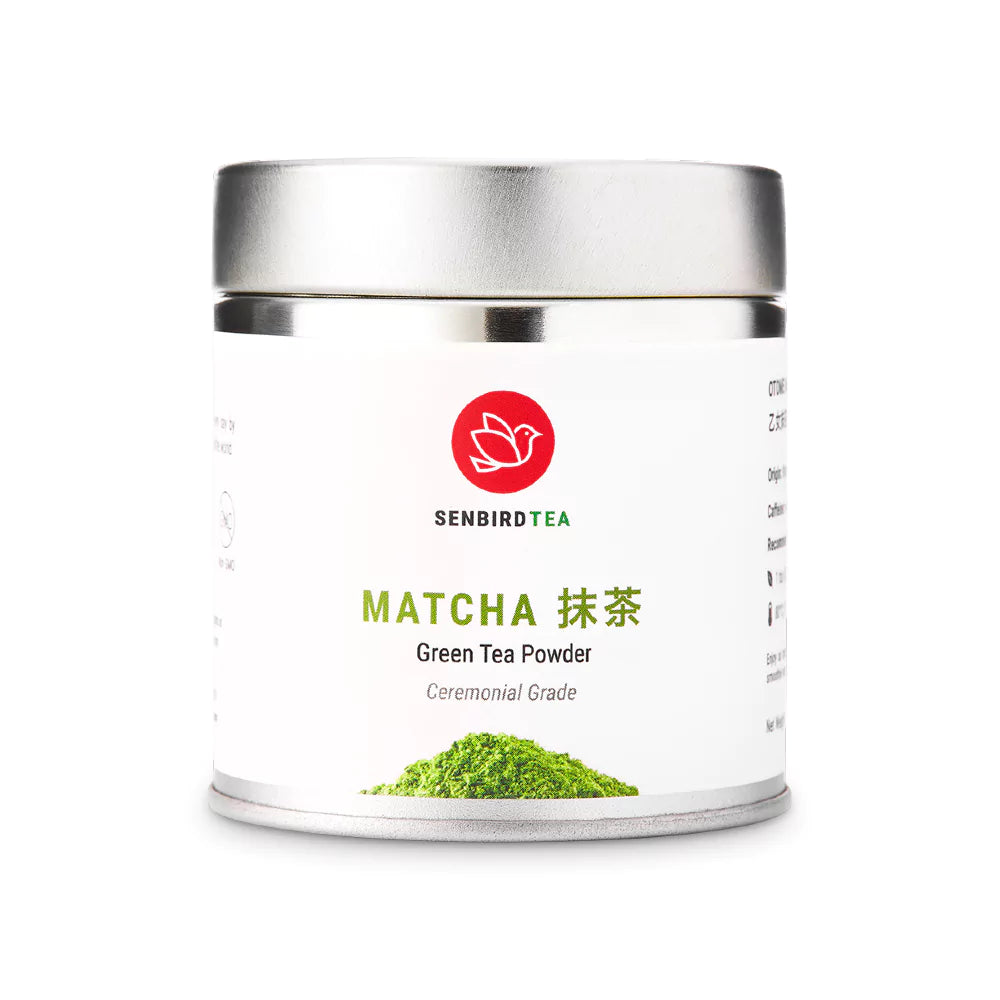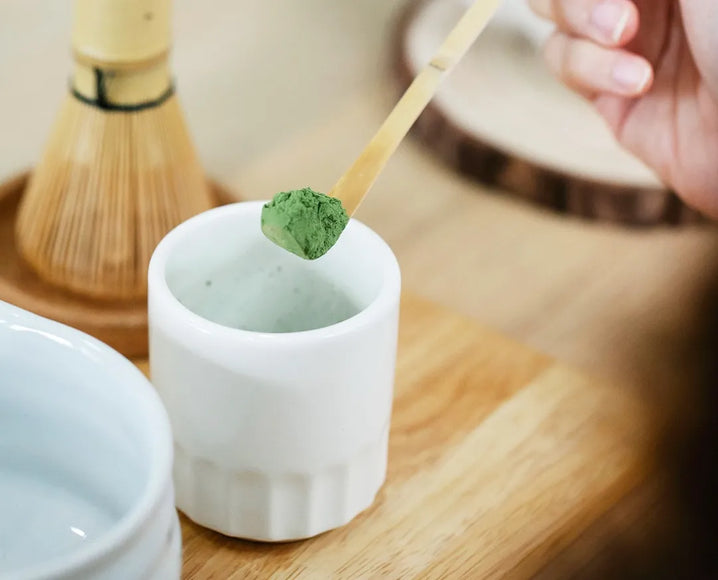


Ceremonial matcha and culinary matcha are two distinct grades of Japanese green tea powder that differ in leaf selection, processing standards, flavor profile, color, and intended use. Ceremonial grade matcha is made from the youngest, most carefully selected first-flush tea leaves and is designed to be whisked with water and consumed on its own, while culinary grade matcha uses slightly more mature leaves and is formulated for cooking, baking, and blending into lattes and smoothies. Senbird Tea offers both grades to ensure tea lovers have the right matcha for every application, from traditional tea ceremony preparation to creative matcha recipes.

Ceremonial grade matcha represents the highest quality of Japanese matcha powder production. It is made exclusively from first-flush spring leaves (ichibancha) harvested from the uppermost tips of tea bushes that have been shaded for a minimum of 20–30 days. These youngest leaves contain the highest concentration of L-theanine, chlorophyll, and amino acids, which produce a naturally sweet, umami-rich flavor with minimal bitterness. The leaves are stone-ground using traditional granite mills (ishiusu) at extremely slow speeds of approximately 40 grams per hour to preserve the delicate flavor compounds and achieve an ultra-fine particle size of 5–10 microns.
Culinary grade matcha is produced from tea leaves harvested slightly later in the season or from lower positions on the tea bush where the leaves have had more sun exposure. These leaves contain higher levels of catechins (which taste bitter and astringent) and lower levels of L-theanine compared to ceremonial grade. The result is a more robust, assertive green tea flavor that holds up well when combined with other ingredients like milk, sugar, chocolate, or butter. Culinary grade matcha from Senbird Tea still meets high quality standards — it is vibrant green, finely ground, and free from additives — but it is priced more affordably because the leaf selection criteria are less restrictive than ceremonial grade.

| Characteristic | Ceremonial Grade | Culinary Grade |
|---|---|---|
| Leaf source | Youngest first-flush leaves only | First or second flush, slightly older leaves |
| Color | Vivid, bright jade green | Deeper green, sometimes olive-toned |
| Flavor | Naturally sweet, umami, smooth | Robust, slightly bitter, earthy |
| Texture | Ultra-fine, silky (5–10 microns) | Fine but slightly less smooth |
| L-theanine content | Higher (more shading benefit) | Moderate |
| Catechin content | Lower (less bitterness) | Higher (more antioxidant potency) |
| Best use | Whisked with water, traditional ceremony | Lattes, smoothies, baking, cooking |
| Price range | $25–$50+ per 30g | $10–$25 per 30g |

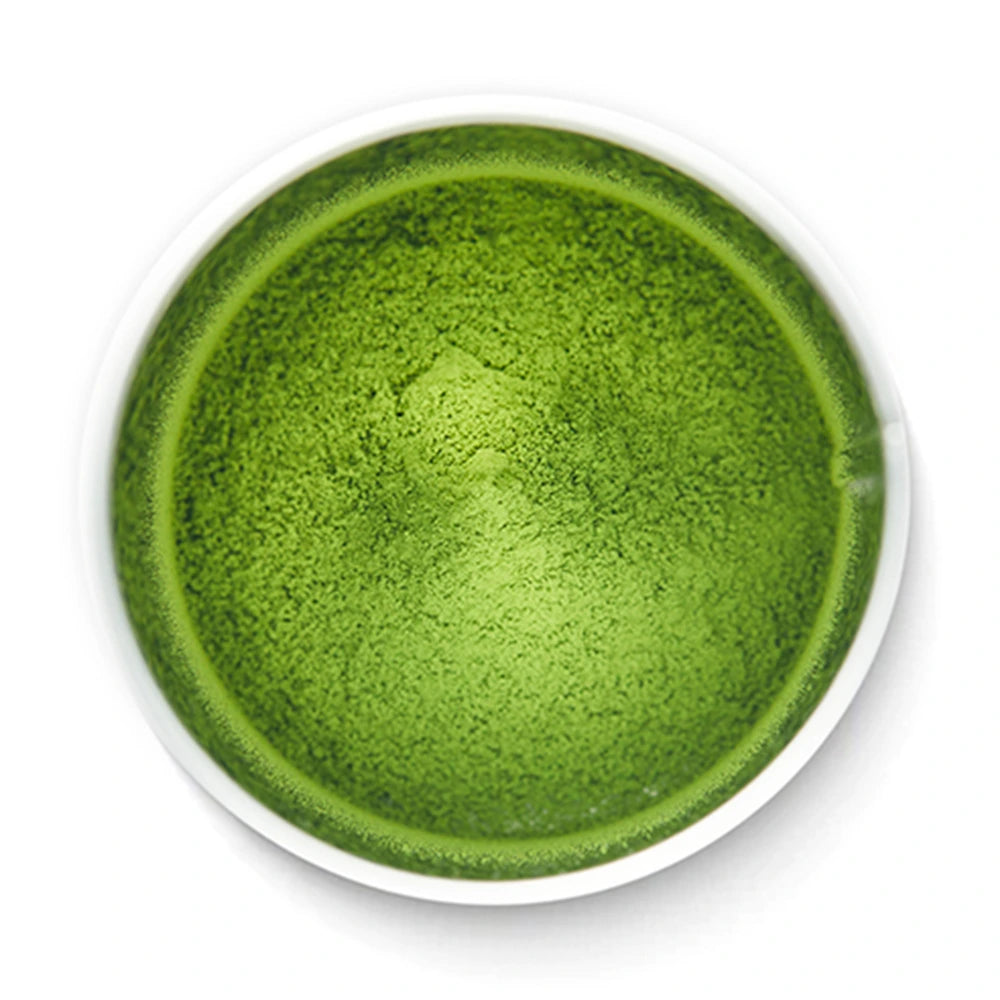
Identifying genuine high-quality ceremonial matcha requires evaluating several sensory characteristics. The color should be a vibrant, bright jade green — not yellowish, brownish, or dull olive, which indicate oxidation, lower leaf quality, or improper processing. When you open a fresh tin of ceremonial matcha from Senbird Tea, the aroma should be inviting and complex, with notes of fresh grass, sweet nori (seaweed), and a subtle creaminess. A stale or hay-like smell suggests the matcha has oxidized or was not stored properly.
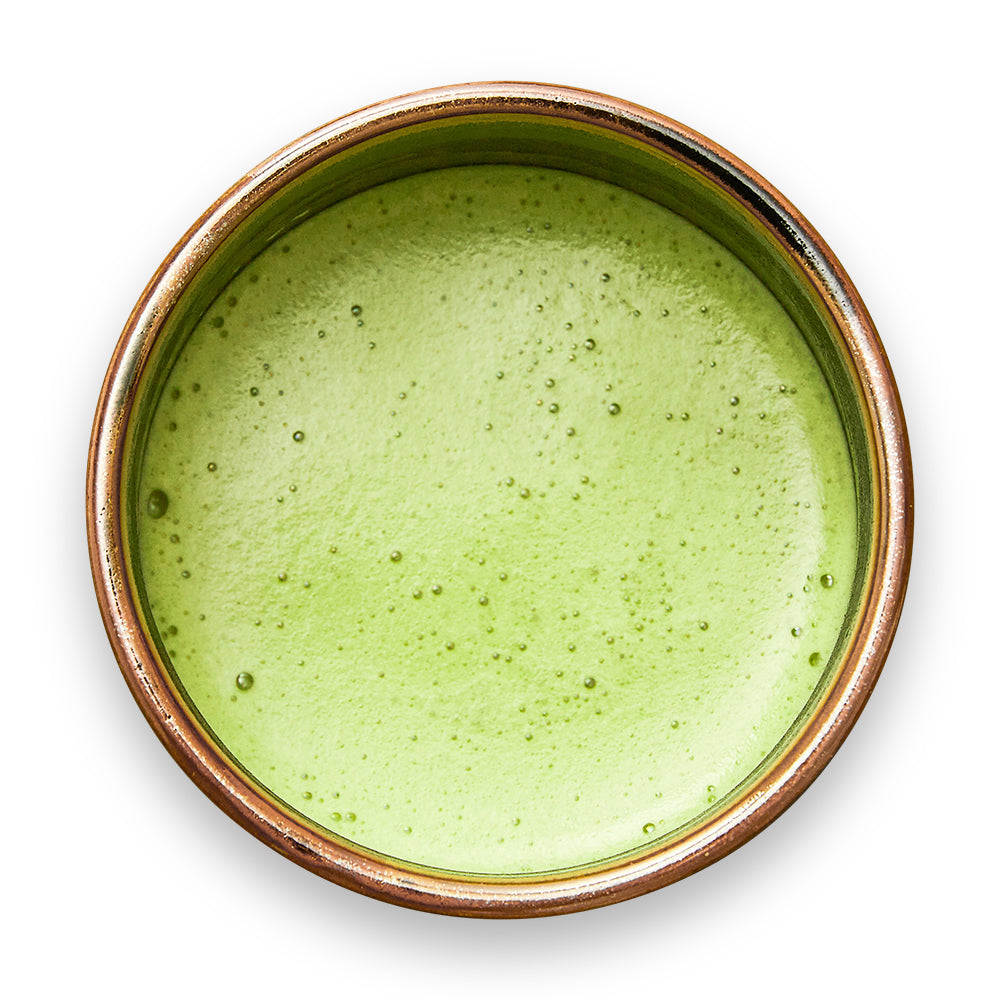
The texture of ceremonial grade matcha should feel extremely fine and silky when rubbed between your fingers — similar to eyeshadow powder rather than fine sand. When whisked with hot water (175°F / 80°C), it should dissolve completely without leaving gritty residue on the bottom of the bowl and should produce a stable, fine-bubbled froth on the surface. The taste should be naturally sweet and umami-forward with no harsh bitterness or astringency when prepared at the correct water temperature. If matcha tastes overwhelmingly bitter even at the right temperature, it is likely either culinary grade being mislabeled or a lower quality product.

Ceremonial grade matcha is specifically designed to be enjoyed on its own, whisked with hot water in the traditional Japanese style (usucha or koicha). This is where you can fully appreciate the nuanced flavor profile that justifies the premium price — the natural sweetness, the depth of umami, and the smooth, clean finish. Senbird Tea recommends ceremonial grade for daily matcha drinking rituals, tea ceremony practice, and any preparation where matcha is the sole or primary flavor. Using ceremonial grade in recipes with strong competing flavors like chocolate, fruit, or heavy cream is not cost-effective because the subtle qualities that distinguish it from culinary grade are masked.
Culinary grade matcha excels in applications where the matcha flavor needs to stand out against other ingredients. Its slightly more assertive, bitter edge cuts through the sweetness of desserts and the richness of dairy, creating a balanced green tea flavor that does not disappear into the background. Use culinary grade for matcha lattes, matcha smoothies, matcha ice cream, matcha cheesecake, matcha cookies, matcha lemonade, and any savory application like matcha salt or matcha pasta. Culinary grade also produces excellent iced matcha drinks because the stronger flavor remains perceptible even when diluted by ice. Senbird Tea's culinary matcha maintains a vivid green color even after baking, ensuring your matcha creations look as good as they taste. Cafés, restaurants, and retailers looking to serve matcha can explore Senbird Tea's wholesale Japanese tea options.

Both ceremonial and culinary matcha should be stored in airtight, opaque containers away from light, heat, moisture, and strong odors. Matcha is highly susceptible to oxidation — exposure to air causes the chlorophyll and amino acids to degrade, resulting in color loss (from bright green to dull yellowish-brown) and flavor deterioration (from sweet and umami to flat and stale). Senbird Tea packages matcha in sealed, light-blocking tins designed to protect against these factors, but once opened, matcha should ideally be consumed within 4–6 weeks.
Refrigeration extends matcha's shelf life by slowing oxidation, but you must allow the container to reach room temperature before opening it to prevent condensation from forming on the powder. Moisture is matcha's worst enemy — even small amounts of humidity can cause clumping and accelerate degradation. Never use a wet scoop or spoon when measuring matcha, and always reseal the container immediately after use. If you purchase matcha in bulk, consider dividing it into smaller portions and keeping the unused portions sealed in the freezer, where matcha can maintain its quality for up to 6 months.
Both ceremonial and culinary grade matcha offer significant health benefits, but their nutritional profiles differ slightly. Ceremonial grade matcha contains higher concentrations of L-theanine (the amino acid responsible for calm focus) because the youngest, most heavily shaded leaves accumulate more of this compound. Culinary grade matcha actually contains higher levels of catechins, particularly EGCG (epigallocatechin gallate), because the slightly older leaves and greater sun exposure promote catechin production. Since EGCG is the primary antioxidant associated with green tea's cancer-preventive and cardiovascular benefits, culinary grade matcha may actually deliver a higher antioxidant dose per serving. Both grades provide the full spectrum of matcha nutrients including vitamins A, C, E, and K, fiber, and chlorophyll.
You can use ceremonial grade matcha in lattes, but it is generally not the most practical choice. Ceremonial grade matcha has a milder, sweeter flavor that tends to be overwhelmed when combined with milk and sweetener, meaning you lose the subtle qualities that justify the higher price. Culinary grade matcha has a more assertive green tea flavor specifically designed to remain perceptible when mixed with other ingredients. If you prefer a very delicate, smooth matcha latte with less pronounced green tea flavor, ceremonial grade will work well — just be aware that you are paying a premium for qualities that are partially masked by the milk and sweetener.
Ceremonial matcha costs more than culinary grade because of dramatically stricter production requirements at every stage. Only the youngest first-flush leaves from the top of shaded plants qualify, which represents a small fraction of the total harvest. The shading period must be at least 20–30 days (versus shorter periods for lower grades), and much of the harvest is still hand-picked on premium farms. During sorting, a higher percentage of material is removed (stems, veins, and any imperfect leaves), reducing yield further. Stone grinding at 30–40 grams per hour means significant machine time per tin. Finally, the limited quantity of leaves that meet ceremonial standards creates natural scarcity that drives pricing. A single 30-gram tin of ceremonial matcha may represent several hours of grinding time alone.
Several warning signs indicate low-quality or fraudulent matcha. Color is the most immediate indicator — genuine matcha should be a bright, vibrant green. Yellowish, brownish, or grayish-green powder suggests oxidation, inferior leaves, or the addition of fillers. Check the ingredient label to confirm the product contains only matcha (Camellia sinensis) with no added sugars, artificial colors, or fillers like wheat flour. Low-quality matcha often has a coarse, sandy texture rather than the silky smoothness of properly stone-ground powder. When mixed with water, inferior matcha may taste overwhelmingly bitter even at correct temperatures, leave gritty sediment, or refuse to form a proper froth. Purchasing from reputable sellers like Senbird Tea that source directly from Japanese tea farms and provide origin and grade transparency is the most reliable way to ensure quality.
Matcha grade has a modest effect on caffeine content, though the difference between ceremonial and culinary grade is smaller than many people assume. Ceremonial grade matcha typically contains 30–40mg of caffeine per gram because the youngest leaves used in ceremonial production naturally contain slightly more caffeine as a defense mechanism against insects. Culinary grade matcha contains approximately 25–35mg per gram. However, serving size has a much larger impact on total caffeine intake — a traditional ceremonial serving uses 1–2 grams of powder while a matcha latte might use 2–3 grams, potentially delivering more total caffeine despite using a lower-caffeine grade. Both grades provide caffeine alongside L-theanine, which moderates caffeine's stimulatory effects and produces the sustained, jitter-free energy that distinguishes matcha from coffee.
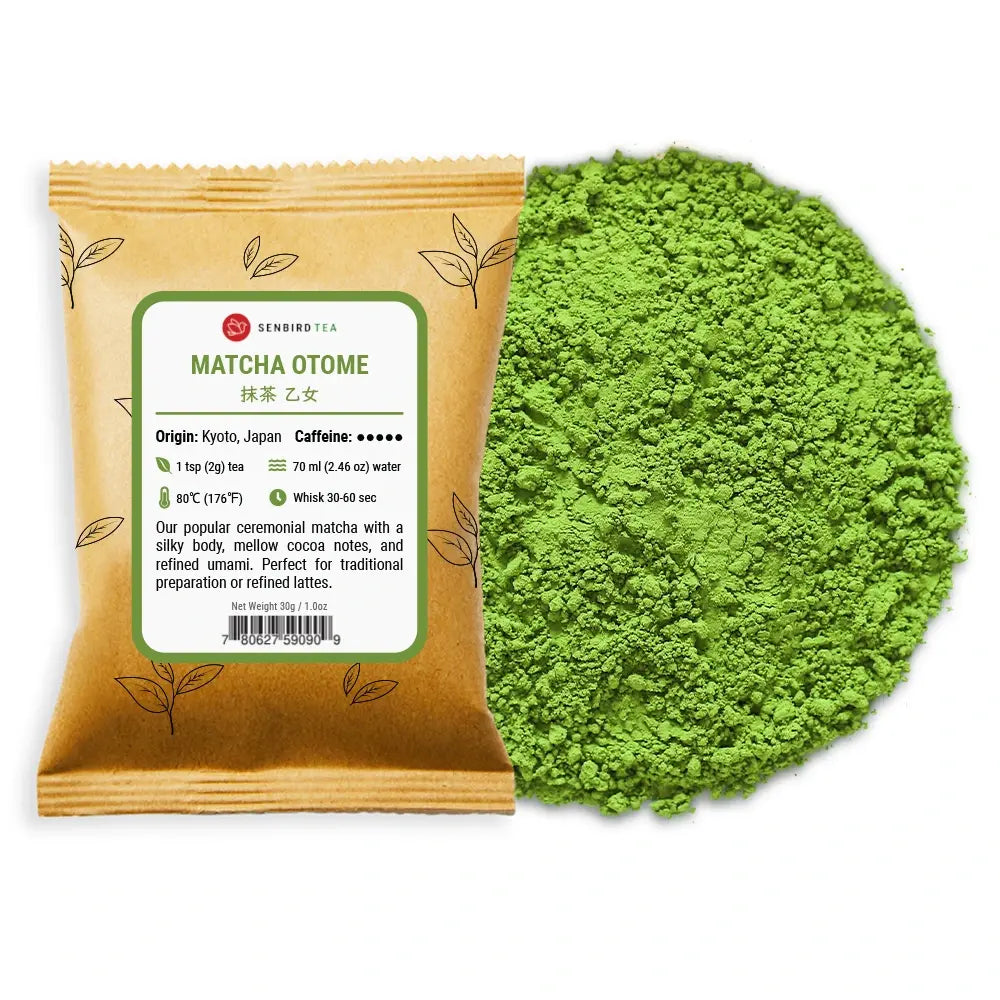
抹茶乙女
Our best-selling ceremonial Okumidori matcha with a silky body, mellow cocoa notes, and refined umami, perfect for traditional preparation or refined lattes.