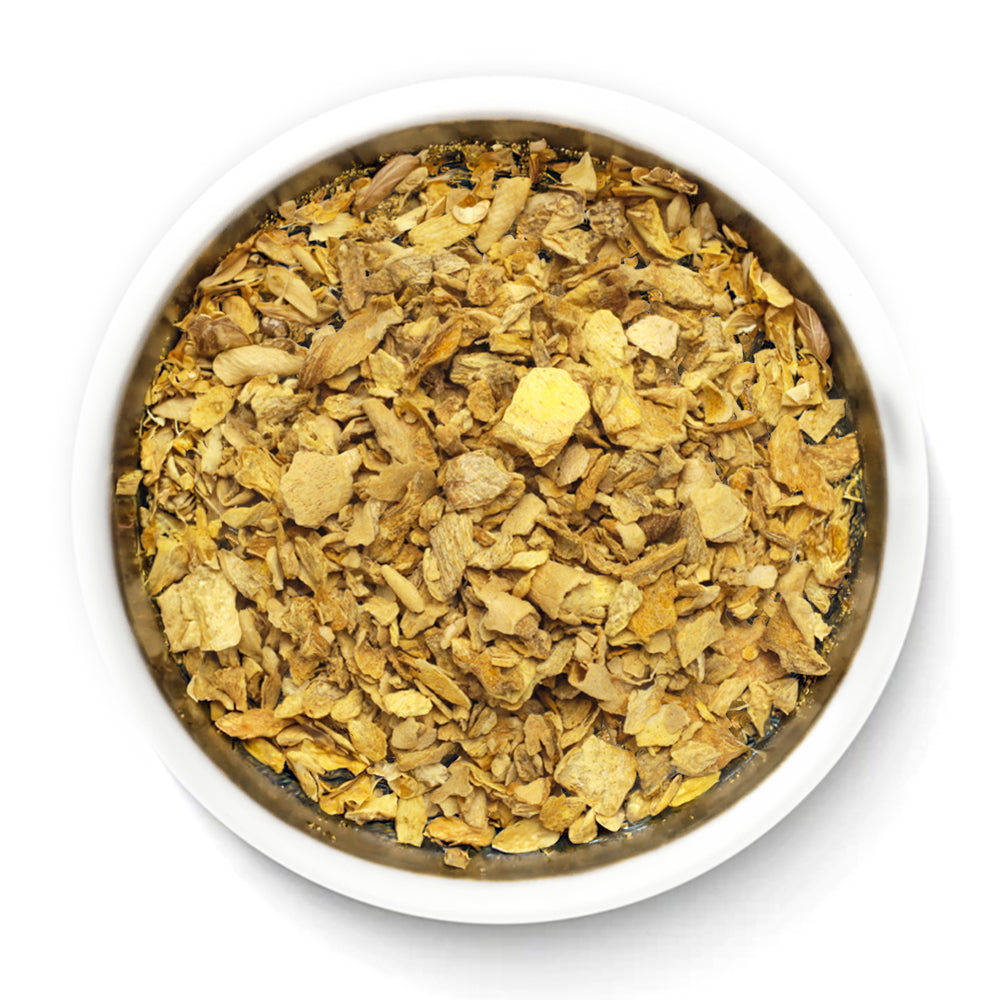
Shogacha is Japanese ginger root tea: a vivid, caffeine-free infusion made by steeping ginger in hot water until the cup turns golden, spicy, and deeply warming. It is simple, but not plain. A good cup feels bright at first sip, earthy through the middle, and gently heated long after you set the cup down.
In Japan, ginger drinks are often associated with cold-weather comfort, after-meal warmth, and everyday wellness rituals. The word shogacha combines shoga, meaning ginger, and cha, meaning tea. You may also see shogayu, or ginger hot water, which points to the same familiar idea: ginger prepared as a soothing drink.
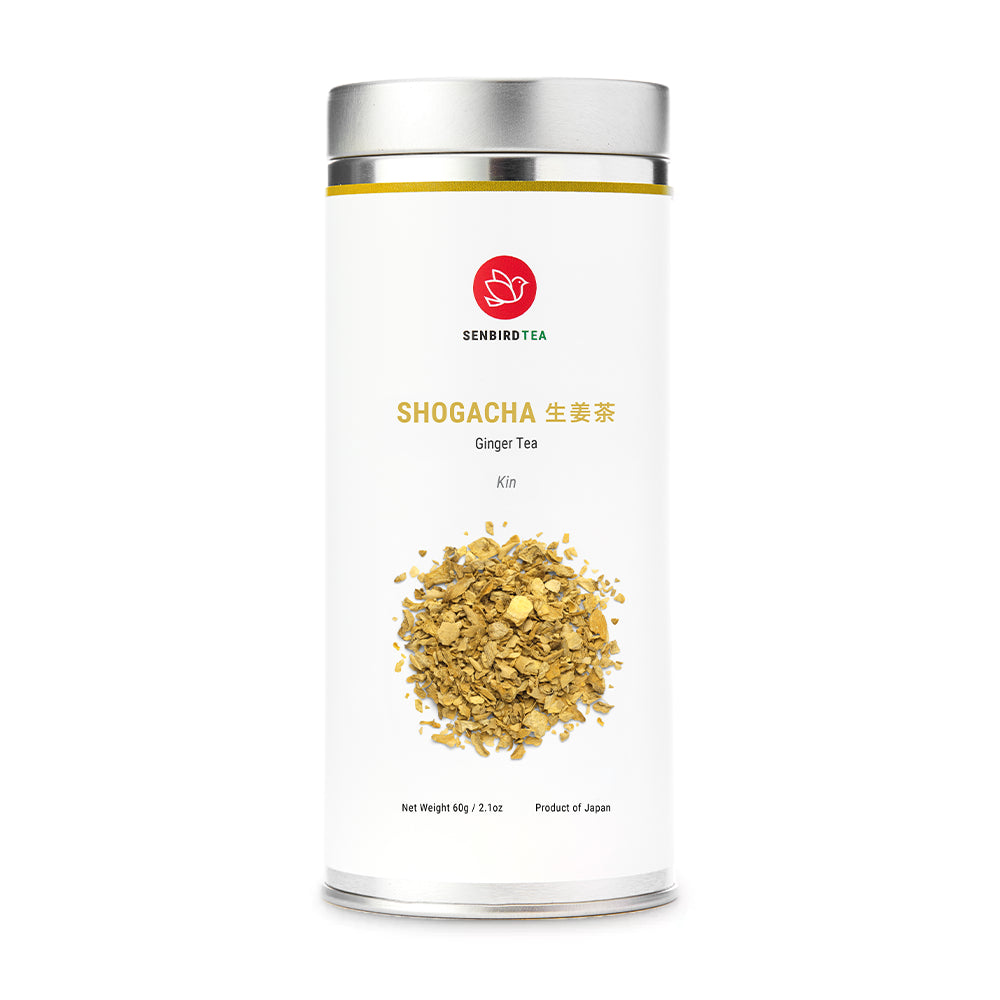
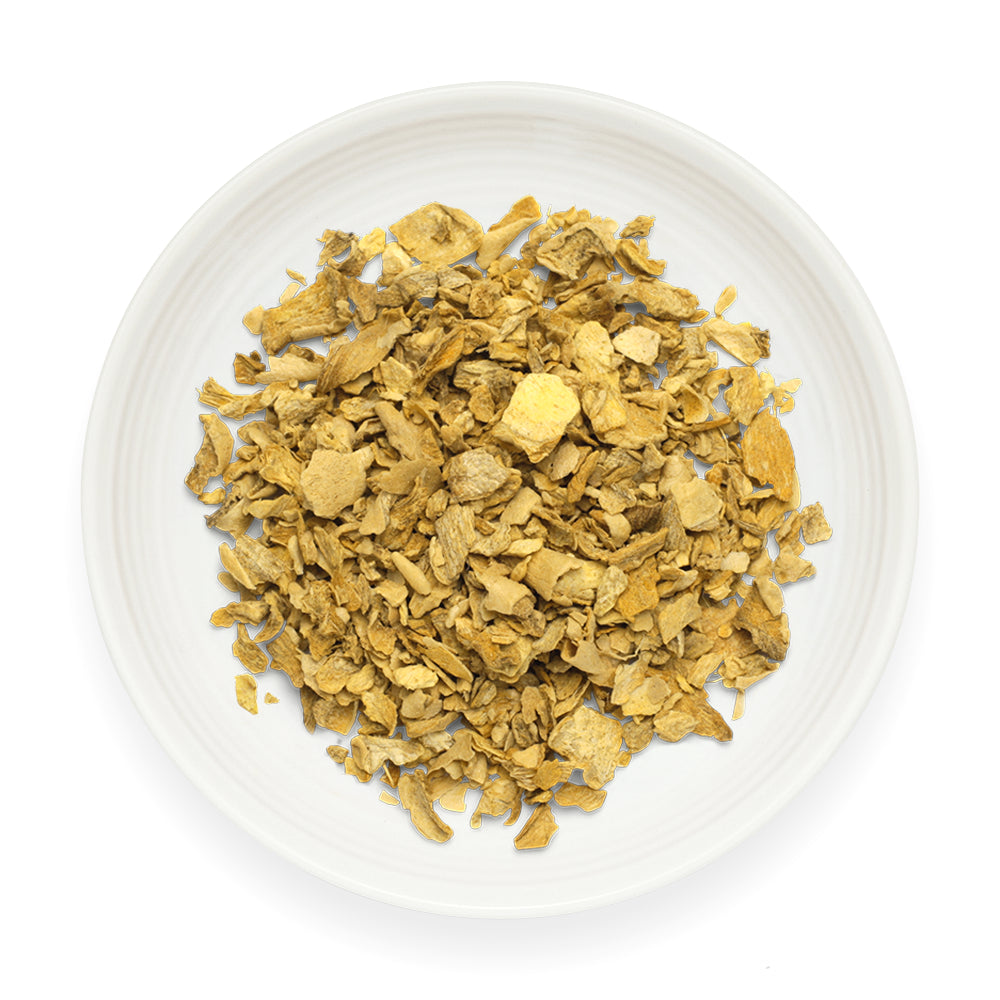
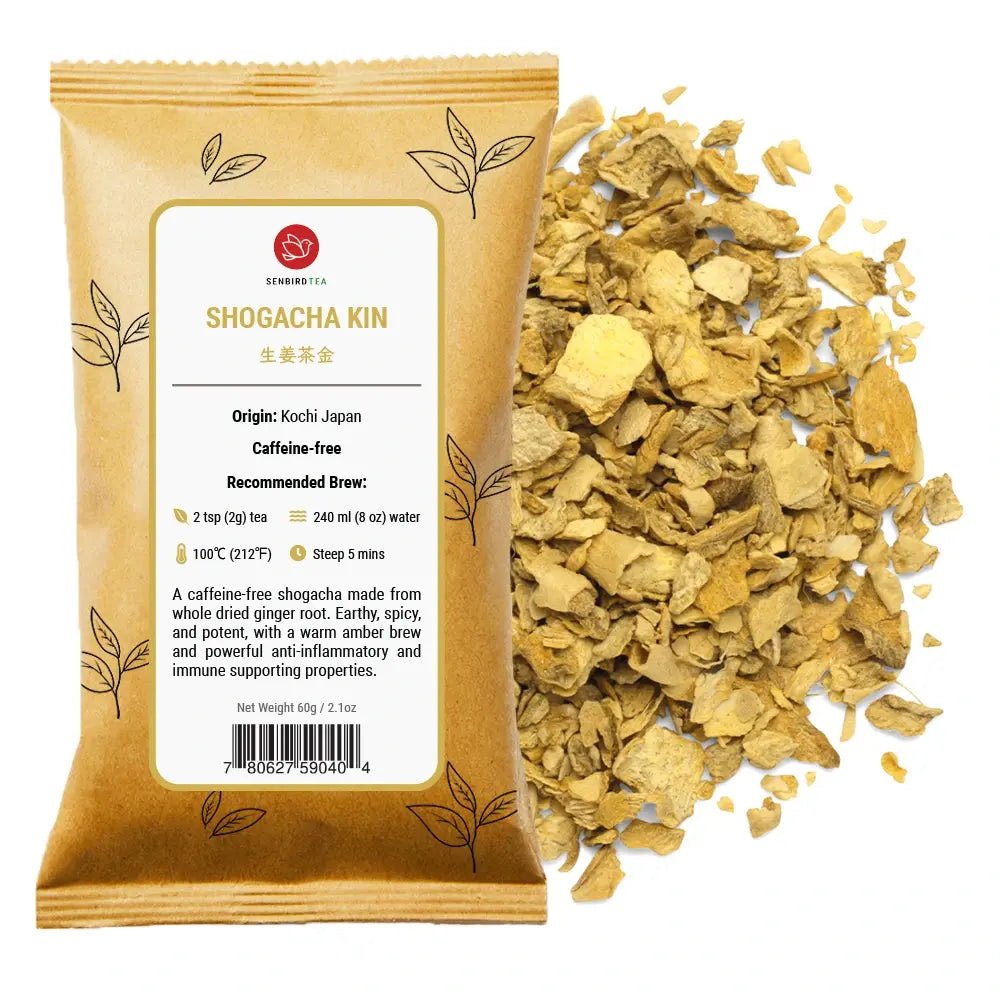
Senbird Tea's Shogacha Kin Japanese Ginger Tea brings that tradition into a pure loose root infusion made from whole dried ginger root from Kochi Prefecture. The cup is bold, aromatic, naturally caffeine-free, and made for anyone who wants ginger's clean heat without sweetness or flavoring.
The information provided in this article is for educational and informational purposes only and is not intended as medical advice. It should not be used as a substitute for professional medical advice, diagnosis, or treatment. Always consult your physician or other qualified healthcare provider with any questions you may have regarding a medical condition or before making any changes to your diet or wellness routine.

Shogacha is a Japanese ginger tea made from ginger root rather than tea leaves. Because pure ginger tea does not come from the Camellia sinensis tea plant, it is naturally caffeine-free and belongs with herbal infusions rather than green tea or black tea.
Traditional shogacha can be made with fresh grated ginger, sliced ginger, dried ginger, honey, sugar, lemon, yuzu, or a small amount of starch for extra body. The preparation changes by household, but the heart of the drink stays beautifully direct: ginger, hot water, aroma, and warmth.
Shogacha and shogayu are closely related names. Shogacha literally reads as ginger tea, while shogayu means ginger hot water. In everyday English, both are often described as Japanese ginger tea.
The practical difference is usually format. Shogayu often refers to a home preparation made with grated fresh ginger and sweetener. Shogacha can also describe a ready-to-brew ginger tea made from dried ginger root, which is easier to steep like loose leaf tea.
| Question | Answer |
|---|---|
| What is it? | Japanese ginger root tea |
| Is it caffeine-free? | Yes, when made only from ginger root |
| What does it taste like? | Spicy, earthy, citrus-like, aromatic, and warming |
| Why drink it? | Comfort, warmth, digestion support traditions, and a bright caffeine-free cup |
For readers comparing Japanese ginger tea with other caffeine-free options, Senbird Tea's Japanese herbal tea collection offers a useful place to explore roasted grains, buckwheat, black soybean, and ginger root teas side by side.

Kochi Prefecture is Japan's leading ginger-growing region, accounting for more than 40% of national ginger shipments. That matters in the cup because origin is not only a map point. It shapes the way the ginger smells, warms, and finishes.
The strongest Shogacha Kin story is sensory: clear pungency, citrus-like lift, earthy depth, and aroma that stays present even after heat. Instead of tasting like a generic flavored tea, the ginger remains the center of the cup from first steam to final sip.
Good ginger cultivation begins before the harvest. Seed ginger quality shapes the next crop, and careful selection helps preserve the clean aroma and steady heat that make Kochi-grown ginger so prized. That craft detail gives Japanese ginger root tea a deeper sense of place.
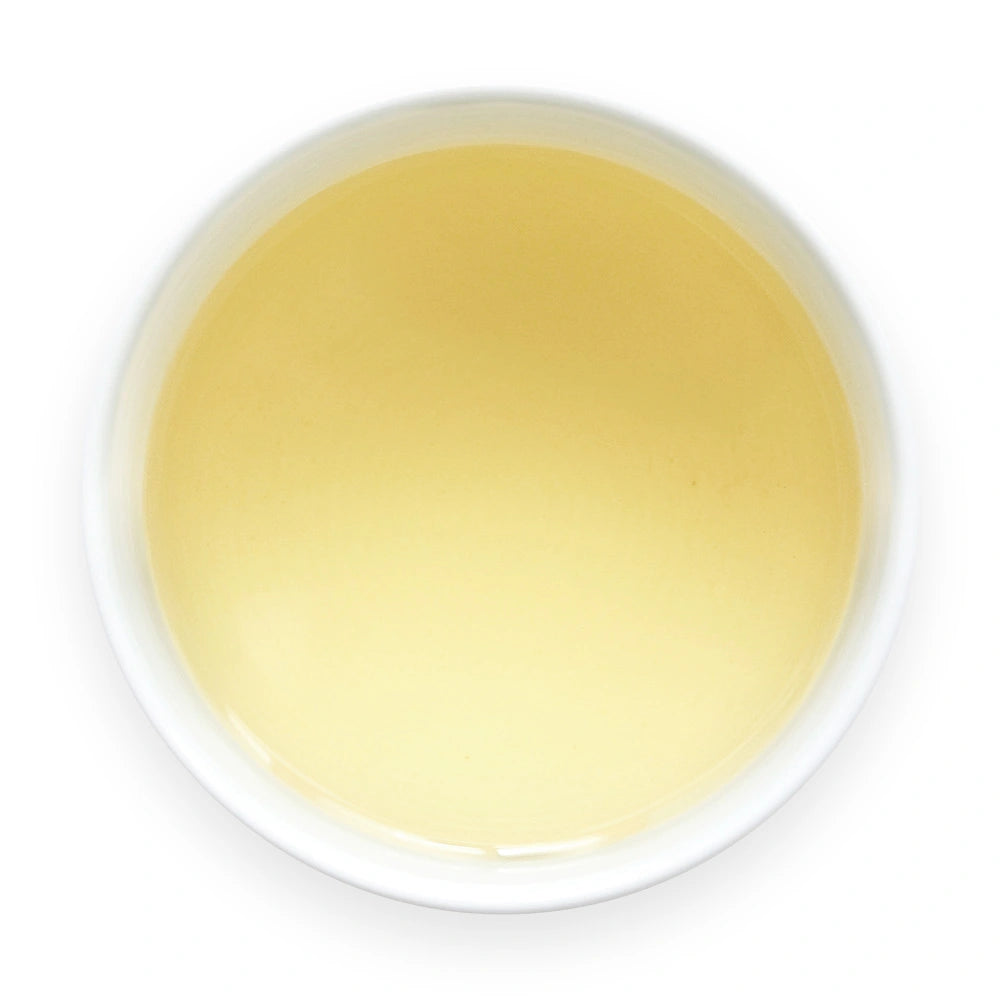
Many ginger drinks rely on sugar to soften the edge. Shogacha does not need to. The appeal is the ginger itself: a bright, almost citrusy fragrance, a warm amber brew, and a finish that feels clean rather than syrupy.
If you enjoy roasted, grounding herbal teas, shogacha sits beautifully beside them. For a lighter roasted-grain cup, Mugicha Itsuki barley herbal tea offers a mellow contrast to ginger's vivid heat.

Ginger's famous heat comes partly from naturally occurring pungent compounds, especially gingerol and shogaol. Fresh ginger is often associated with a sharper, juicier bite. Heated or dried ginger can develop a steadier kind of warmth, which is one reason dried ginger root works so well as tea.
This is also why shogacha feels different from a sweet ginger drink. The heat is not only on the tongue; it builds through aroma, steam, and aftertaste. A longer steep makes the cup stronger and more concentrated, while a shorter steep keeps it cleaner and brighter.
Ginger has long been valued in food and drink traditions for warmth, digestive comfort, and soothing cold-weather routines. Many people reach for ginger tea when they want something hot, aromatic, and comforting, especially during seasons when the body asks for a little extra care.
Public wellness language should still stay responsible. Shogacha can be enjoyed as a comforting beverage with a long cultural association with warmth and wellness, but it should not be treated as a cure or replacement for medical care.

Because Shogacha Kin is made from whole dried ginger root, brew it with hot water and give the ginger enough time to release its aroma, amber color, and spicy finish. A longer steep produces a stronger cup, while a shorter steep keeps the ginger lighter and cleaner.
Start with the directions on the package, then adjust to your taste. If the cup feels too sharp, shorten the steep or add honey. If you want more heat, steep a little longer. A slice of lemon or yuzu can brighten the cup without covering the ginger.
For a dedicated product path, the Shogacha ginger tea collection gathers Senbird Tea's Japanese ginger tea formats in one place.
Shogacha is naturally caffeine-free, so it can fit morning, afternoon, or evening routines. Many people enjoy ginger tea after meals, during colder months, or whenever they want a hot drink that feels vivid but not caffeinated.
For another caffeine-free Japanese herbal tea with a grounding flavor, buckwheat herbal tea is a smooth, nutty contrast to shogacha's peppery warmth.
Japanese ginger root tea pairs well with honey, lemon, yuzu, kuromitsu, toasted rice snacks, simple shortbread, and citrus-forward desserts. It also works beside roasted teas such as hojicha or Japanese black tea when you want to build a layered warm drink.
For cooking, brewed shogacha can inspire syrups, mocktails, warm toddy-style drinks, and simple dessert pairings. Keep the cup balanced: ginger should feel bright and warming, not harsh.
Shogacha is Japanese ginger root tea. It is made by steeping ginger in hot water and may be enjoyed plain or with honey, lemon, yuzu, sugar, or a light starch for extra body.
They are closely related. Shogacha means ginger tea, while shogayu means ginger hot water. In English, both are commonly understood as Japanese ginger tea.
Yes. Pure shogacha is naturally caffeine-free because it is made from ginger root rather than green tea, black tea, or another caffeinated tea leaf.
Shogacha Kin tastes bold, earthy, spicy, citrus-like, and warming, with an amber brew and a clean ginger finish. Longer steeping creates a stronger ginger flavor.
Many people drink ginger tea for comfort when they feel unwell because it is hot, aromatic, and traditionally associated with warmth and digestive comfort. Shogacha is best understood as a soothing beverage, not a medical treatment.
Many people enjoy ginger tea regularly in normal food-like amounts. If you are pregnant, breastfeeding, taking medication, or managing a medical condition, ask a qualified healthcare provider before using ginger as part of a wellness routine.
Shogacha can be enjoyed after meals, during cold weather, or in the evening because it is caffeine-free. If ginger feels stimulating to you, brew a lighter cup later in the day.
生姜茶金
A caffeine-free Japanese ginger tea made from whole dried ginger root, with an earthy, spicy flavor and a warming amber brew.