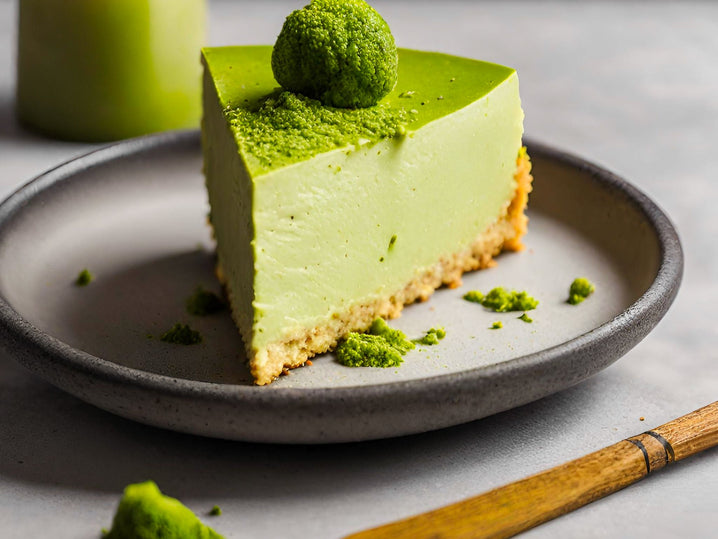


This matcha green tea cheesecake recipe combines the earthy, umami-rich flavor of Japanese matcha with the creamy richness of New York-style cheesecake, creating a stunning dessert that is as visually impressive as it is delicious. The vibrant green filling sits atop a buttery graham cracker crust and delivers a sophisticated flavor profile that balances sweetness with matcha's naturally complex character. Senbird Tea recommends using culinary or premium grade matcha powder for baking to achieve the best color and flavor in this cheesecake recipe.

Matcha cheesecake has become one of the most sought-after Japanese-inspired desserts worldwide because it successfully bridges Eastern and Western culinary traditions. The Japanese concept of balancing bitter, sweet, and umami flavors translates perfectly to cheesecake, where matcha's slight bitterness complements the rich sweetness of cream cheese and sugar without being overpowering. Unlike artificial green tea flavoring, real matcha powder provides genuine depth of flavor along with the nutritional benefits of whole tea leaf consumption, including antioxidants, L-theanine, and natural caffeine.
The visual appeal of matcha cheesecake is another significant advantage. The natural vibrant green color created by matcha's high chlorophyll content makes this cheesecake a standout centerpiece at dinner parties, celebrations, and holiday gatherings without requiring any artificial food coloring. Senbird Tea's matcha retains its vivid green color even after baking, ensuring your cheesecake looks as impressive as it tastes. The recipe below produces one 9-inch cheesecake that serves 10–12 people and requires approximately 20 minutes of active preparation plus 1 hour of baking time.

| Component | Ingredient | Amount |
|---|---|---|
| Crust | Graham cracker crumbs | 2 cups (200g) |
| Crust | Unsalted butter, melted | 6 tablespoons (85g) |
| Crust | Granulated sugar | 2 tablespoons |
| Filling | Cream cheese, room temp | 32 oz (4 blocks, 900g) |
| Filling | Granulated sugar | 1 cup (200g) |
| Filling | Matcha powder (culinary grade) | 3 tablespoons (12g) |
| Filling | Heavy cream | 1 cup (240ml) |
| Filling | Large eggs | 4 |
| Filling | Vanilla extract | 1 teaspoon |
| Filling | All-purpose flour | 2 tablespoons |
| Topping (optional) | Matcha powder for dusting | 1 teaspoon |
| Topping (optional) | Whipped cream | As desired |

Preheat your oven to 325°F (165°C) and position a rack in the center. Begin by preparing the crust: combine the graham cracker crumbs, melted butter, and 2 tablespoons of sugar in a bowl, mixing until the crumbs are evenly moistened. Press the mixture firmly into the bottom and about 1 inch up the sides of a 9-inch springform pan. Bake the crust for 10 minutes until lightly set, then remove and allow it to cool while you prepare the filling. Reduce oven temperature to 300°F (150°C) for a gentler bake that prevents cracking.
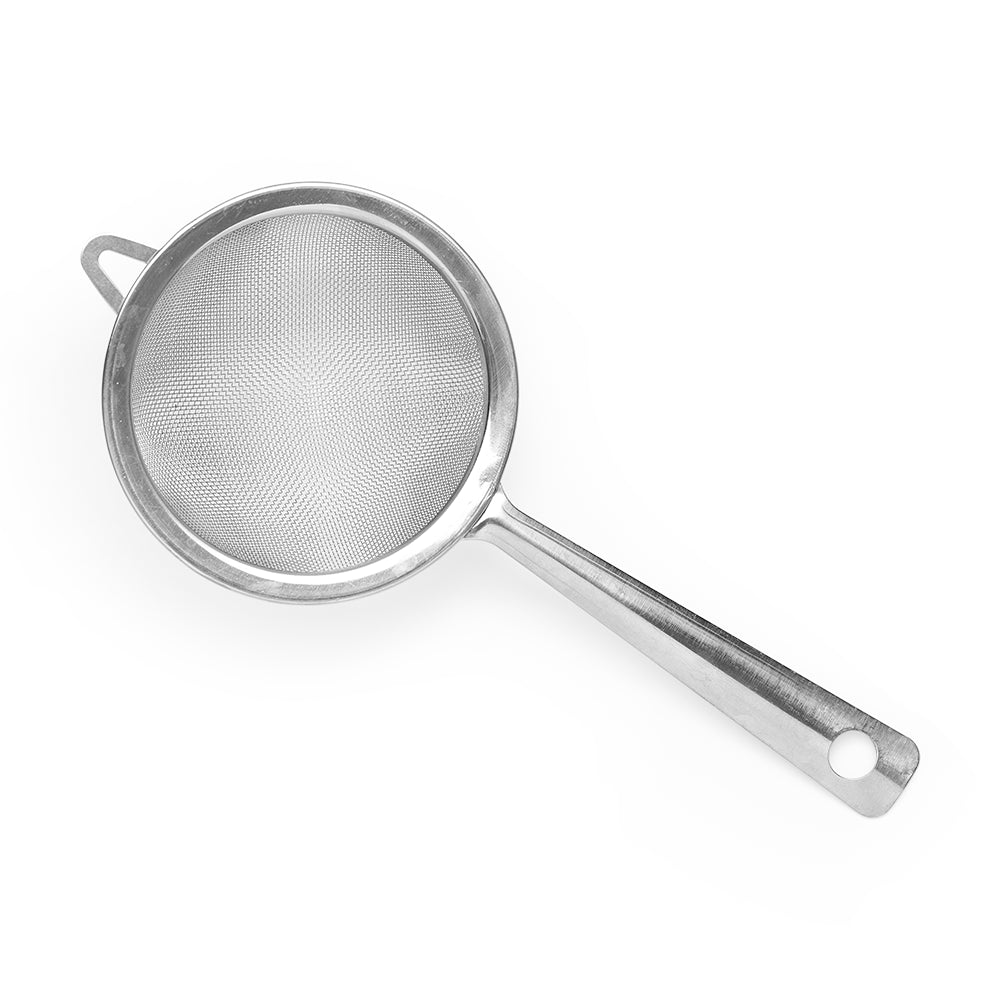
For the filling, sift the matcha powder into a small bowl to remove any clumps — this step is critical for achieving a smooth, evenly colored filling without green specks. Beat the room-temperature cream cheese with an electric mixer on medium speed until completely smooth, about 3–4 minutes, scraping down the sides of the bowl frequently. Add the sugar gradually while mixing, then add the eggs one at a time, mixing on low speed after each addition just until incorporated. Over-beating the eggs introduces excess air, which causes the cheesecake to puff up during baking and then crack as it cools.
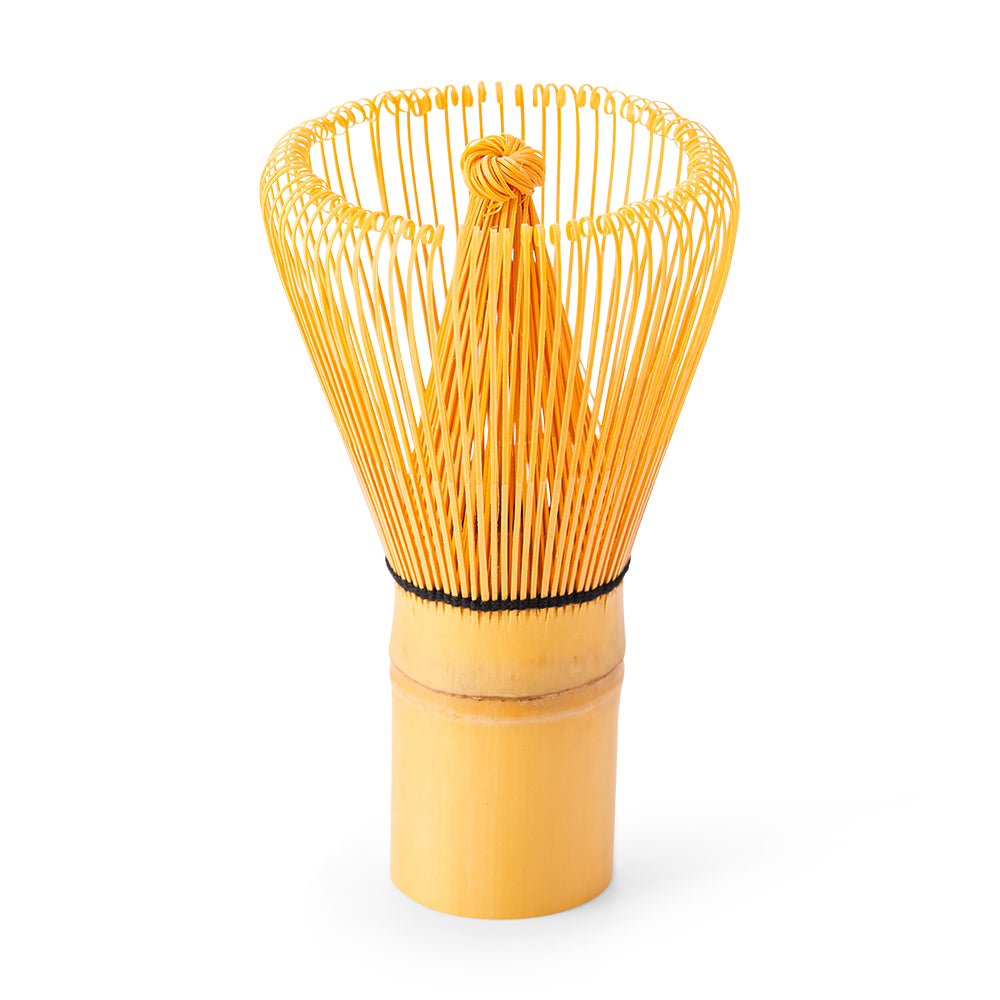
Create a matcha slurry by whisking the sifted matcha powder with 2 tablespoons of the heavy cream until a smooth paste forms, then add the remaining heavy cream. Pour this matcha cream mixture into the cheesecake batter along with the vanilla extract and flour, folding gently until the color is uniform throughout with no white streaks remaining. Pour the batter over the cooled crust and smooth the top with an offset spatula. For the smoothest results, wrap the outside of the springform pan in aluminum foil and place it in a larger baking pan filled with 1 inch of hot water (a water bath) to ensure even, gentle heat distribution.
Bake for 55–65 minutes until the edges are set but the center still jiggles slightly when gently shaken — it will continue to firm up as it cools. Turn off the oven, crack the door open, and allow the cheesecake to cool inside the oven for 1 hour. This gradual cooling process is essential for preventing surface cracks. After the oven cool-down, transfer the cheesecake to the refrigerator and chill for at least 4 hours, preferably overnight, before unmolding and serving.

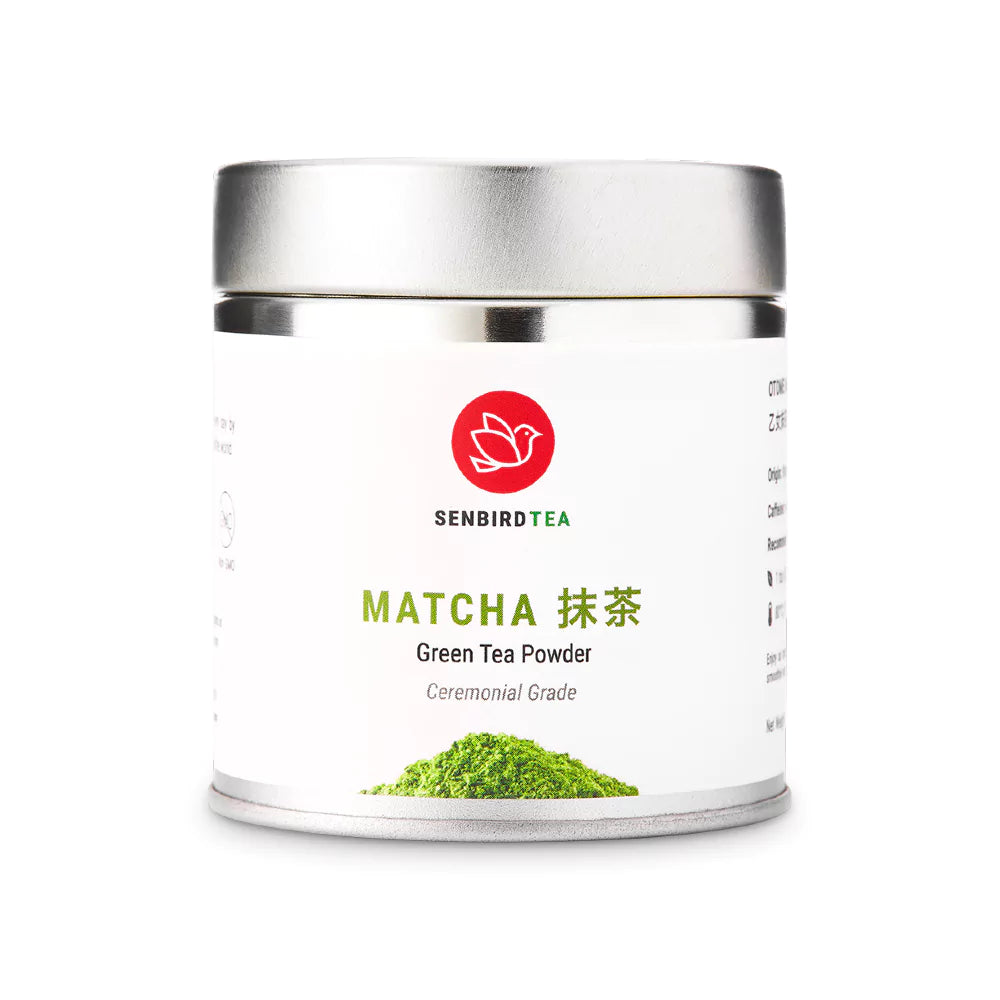
The quality of your matcha directly affects both the flavor and appearance of the finished cheesecake. Senbird Tea recommends using culinary grade matcha specifically designed for cooking and baking, which provides a robust green tea flavor that stands up to the richness of cream cheese without the premium price of ceremonial grade. Avoid using matcha that has turned yellowish-brown, as oxidized matcha will produce a dull, unappealing color and a stale, bitter taste in the final dessert.
Room temperature ingredients are essential for a smooth batter. Cold cream cheese creates lumps that are nearly impossible to fully incorporate, resulting in an uneven texture. Remove your cream cheese, eggs, and heavy cream from the refrigerator at least 2 hours before you begin. If you forget, you can soften cream cheese quickly by cutting it into cubes and microwaving in 10-second intervals, though room temperature softening produces the most consistent results. For a no-bake variation, substitute the flour and eggs with 2 teaspoons of unflavored gelatin dissolved in warm water, fold the matcha cream into the cream cheese mixture, and refrigerate for 6–8 hours until set. Explore our everyday matcha.
You can use ceremonial grade matcha for cheesecake, but it is generally not recommended from a cost-effectiveness standpoint. Ceremonial grade matcha from Senbird Tea is specifically crafted for drinking straight with water, where its subtle, nuanced flavors can be fully appreciated. In a cheesecake, the richness of cream cheese, sugar, and butter masks many of the delicate flavor notes that distinguish ceremonial from culinary grade. Culinary grade matcha provides a more pronounced green tea flavor that cuts through the richness of the batter and produces equally vivid color at a lower cost per gram. If you do use ceremonial grade, reduce the amount by about one-third since its flavor is more concentrated.
The three most common causes of cheesecake cracking are over-mixing, overbaking, and rapid temperature changes. To prevent cracks, mix the batter on low speed after adding eggs and stop as soon as the ingredients are just combined — excess air causes the cheesecake to rise and then collapse. Use a water bath during baking to create a humid, evenly heated environment. Bake only until the center has a slight jiggle (about 2–3 inches in diameter), and let the cheesecake cool gradually inside the turned-off oven with the door cracked for one hour before refrigerating. If a crack does appear, it can be easily concealed with a dusting of matcha powder or a layer of whipped cream before serving.
Matcha cheesecake lasts 4–5 days in the refrigerator when stored properly in an airtight container or tightly wrapped with plastic wrap. The matcha flavor remains at its best for the first 3 days, after which the green color may gradually become slightly less vibrant due to slow oxidation. For longer storage, matcha cheesecake freezes exceptionally well for up to 2 months. Wrap individual slices tightly in plastic wrap and aluminum foil before freezing, and thaw overnight in the refrigerator for best results. The texture upon thawing is nearly indistinguishable from fresh cheesecake.
Japanese cheesecake (also called cotton cheesecake or soufflé cheesecake) is a distinctly different dessert from the New York-style cheesecake used in this recipe. Japanese cheesecake uses a meringue base where egg whites are whipped separately and folded into the batter, creating an extremely light, fluffy, jiggly texture similar to a soufflé. New York-style cheesecake is denser, creamier, and richer because it uses whole eggs beaten directly into the cream cheese without separating the whites. This matcha cheesecake recipe follows the New York style for its classic dense, creamy texture, but matcha can be added to Japanese-style cotton cheesecake recipes as well for a lighter alternative.
A typical slice of matcha cheesecake (1/12 of a 9-inch cheesecake using 3 tablespoons of matcha powder) contains approximately 8–12mg of caffeine. This is a relatively small amount — roughly equivalent to one-quarter of a cup of green tea or about one-tenth of a standard cup of coffee. The caffeine is distributed evenly throughout the entire cheesecake, so individual slices contain only a fraction of the total matcha used. This low caffeine content means matcha cheesecake can be enjoyed as an evening dessert without significant concern about sleep disruption for most adults. Senbird Tea also offers wholesale Japanese tea for cafés, restaurants, and retailers.
抹茶セット
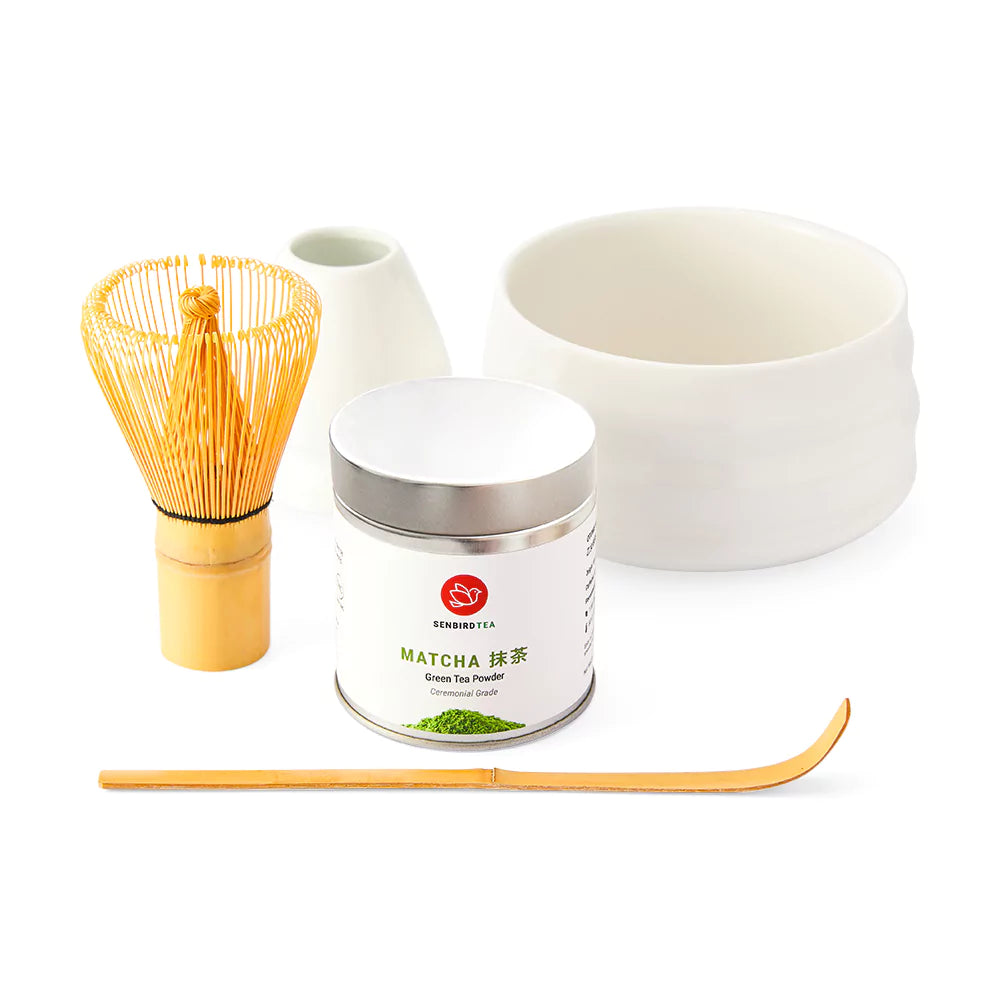
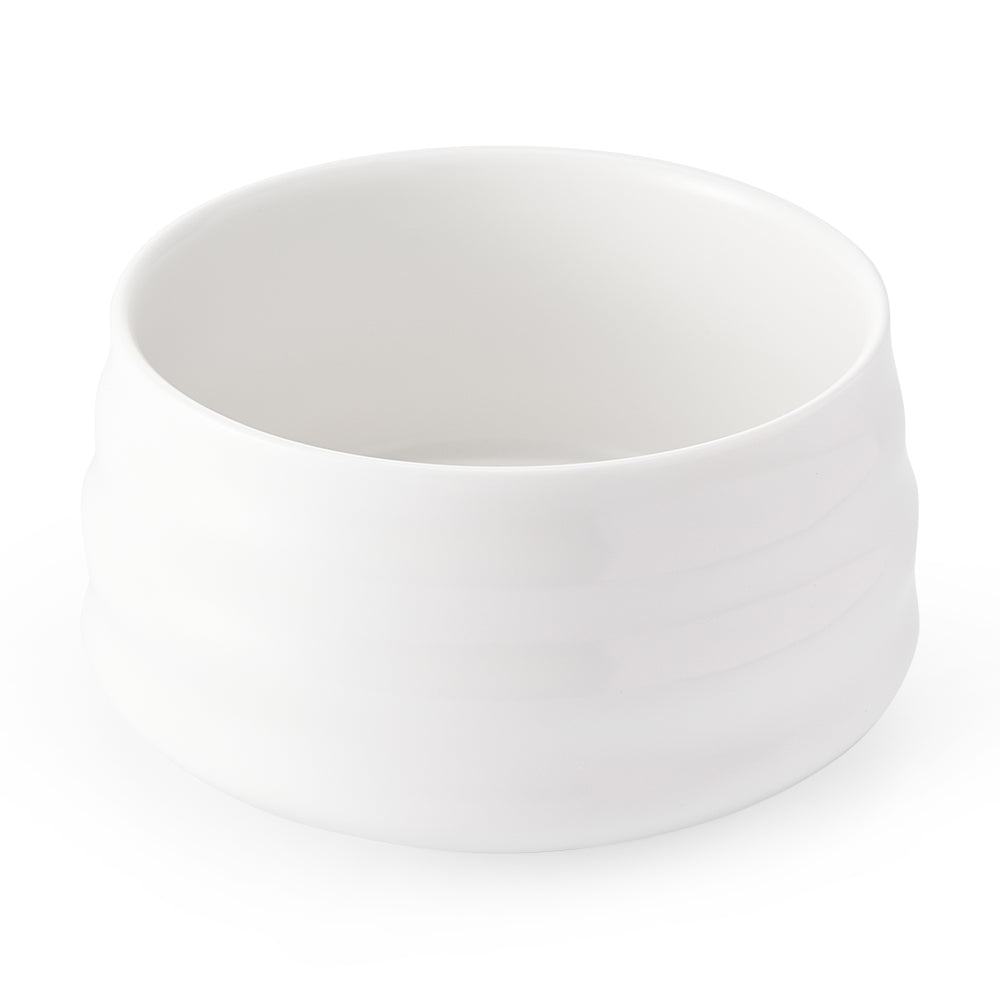
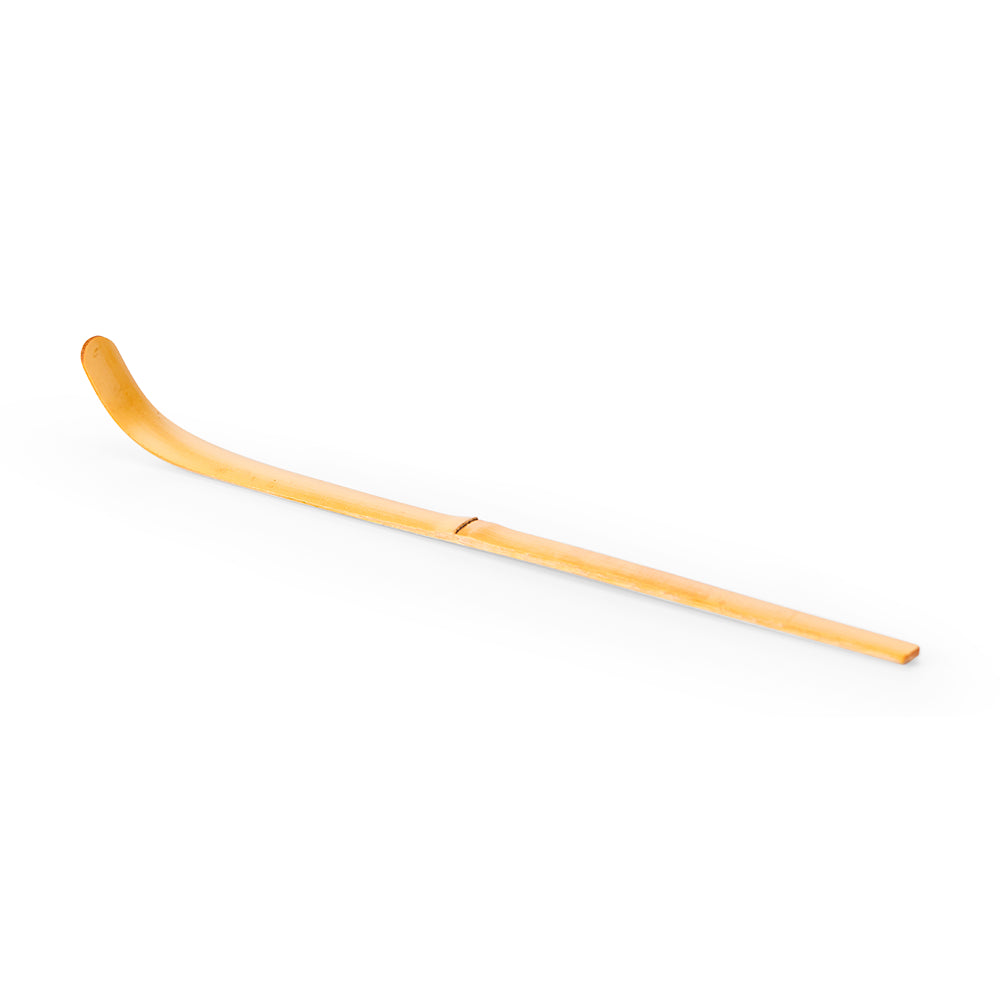
A ceremonial matcha set inspired by the Japanese tea ceremony, featuring six essential tools for a mindful matcha experience at home.