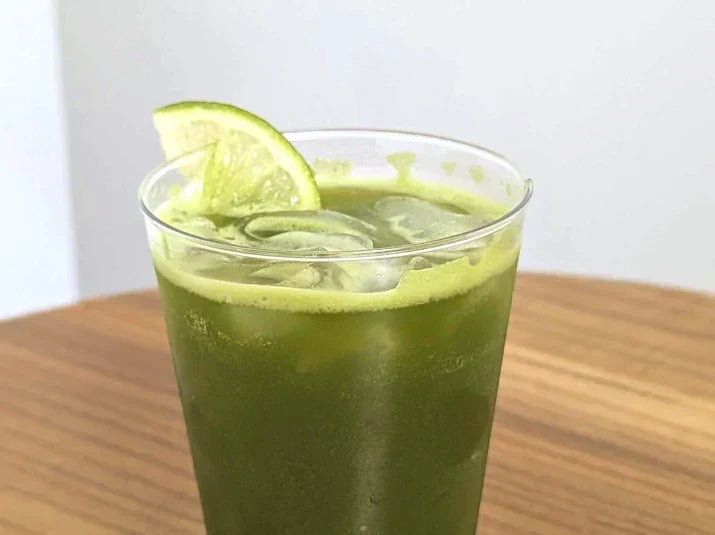


The matcha sake cocktail is an elegant Japanese-inspired drink that combines the earthy, umami-rich flavor of premium matcha green tea with the smooth, delicate character of Japanese sake, creating a sophisticated cocktail that bridges centuries of Japanese tradition with modern mixology. This recipe produces a vibrant green cocktail with complex depth — the matcha provides antioxidants and a subtle caffeine lift while the sake adds gentle warmth and rice-wine sweetness. Senbird Tea featured this matcha sake cocktail at World Sake Day in New York City, where it was celebrated as a perfect example of how traditional Japanese ingredients can create innovative contemporary beverages.

The matcha sake cocktail represents a natural pairing rooted in Japanese culinary philosophy. Both matcha and sake are deeply embedded in Japanese culture — matcha through the centuries-old tea ceremony tradition and sake through its role as Japan's national beverage and an essential component of Shinto rituals. The umami character shared by both ingredients creates a harmonious flavor combination where neither component overpowers the other. Sake's subtle sweetness and clean finish complement matcha's vegetal depth, while the alcohol in sake slightly amplifies the aromatic compounds in matcha, creating a more complex sensory experience than either ingredient delivers alone.
This cocktail gained particular attention when Senbird Tea showcased it at World Sake Day in New York City, an annual celebration that brings together sake enthusiasts, Japanese cuisine lovers, and innovative bartenders. The vibrant green color and unique flavor profile made it one of the most photographed and discussed drinks at the event, demonstrating the growing international interest in Japanese tea-based cocktails. Ceremonial grade matcha has made cocktails a significant trend in craft bartending, with matcha sake being one of the most authentic and culturally meaningful combinations available.

| Ingredient | Amount | Notes |
|---|---|---|
| Matcha powder (culinary grade) | 1 teaspoon (2g) | Sift before use |
| Japanese sake (junmai or junmai ginjo) | 3 oz (90ml) | Chilled, dry or semi-dry preferred |
| Simple syrup | 0.75 oz (22ml) | Adjust sweetness to taste |
| Fresh lime juice | 0.5 oz (15ml) | Freshly squeezed |
| Hot water | 1 oz (30ml) | 175°F / 80°C for dissolving matcha |
| Ice | 1 cup | For shaking |
| Garnish | Lime wheel or matcha dusting | Optional |
Begin by sifting the matcha powder into a small bowl or the bottom of a cocktail shaker to remove clumps. Add the 1 ounce of hot water (175°F — not boiling, as extreme heat creates bitterness in matcha) and whisk or stir vigorously until the matcha is fully dissolved into a smooth, lump-free paste. Allow this matcha concentrate to cool for 30 seconds, then add the chilled sake, simple syrup, and fresh lime juice. Fill the shaker with ice, seal tightly, and shake vigorously for 15–20 seconds until the outside of the shaker frosts.
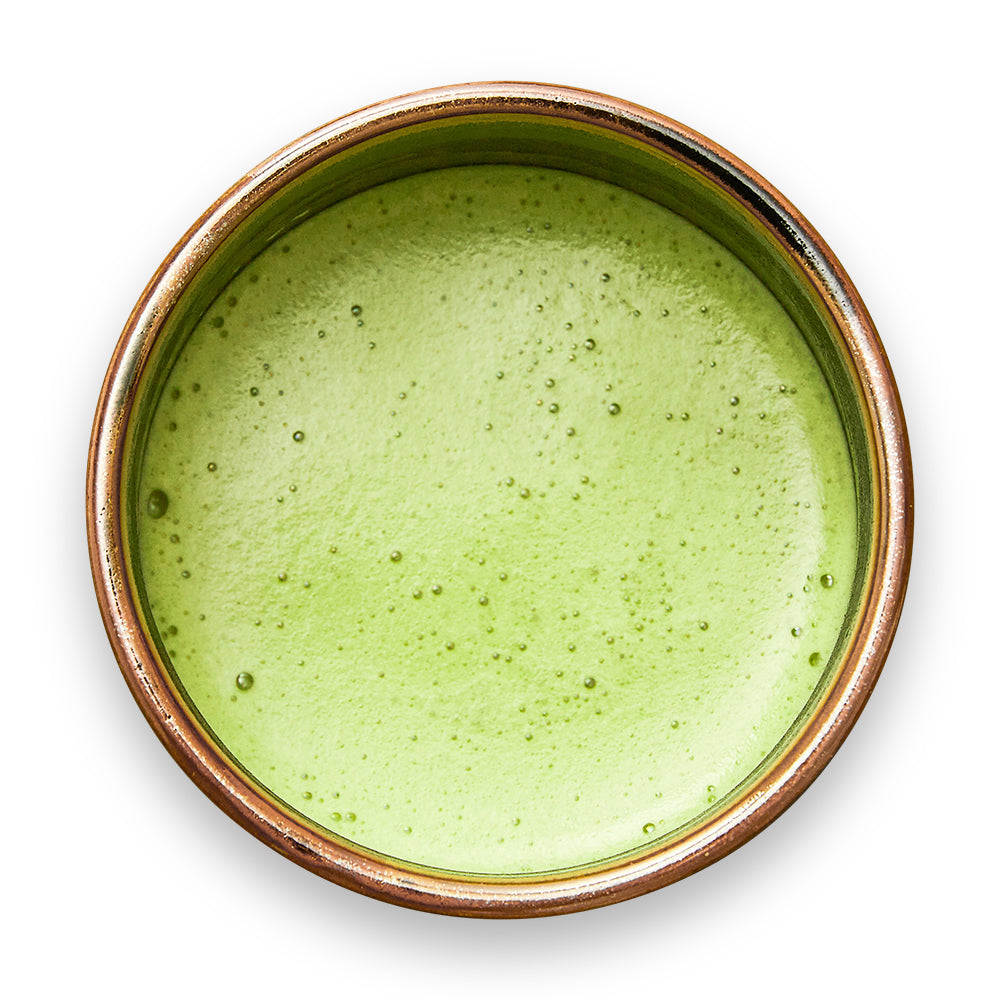
Strain into a chilled coupe glass or cocktail glass using a fine mesh strainer to catch any remaining everyday matcha particles or ice chips. The double-straining step ensures a smooth, elegant presentation. Garnish with a thin lime wheel on the rim or a light dusting of matcha powder on the surface for visual impact. The finished cocktail should be a vivid jade green with a subtle frothy layer on top from the shaking process. Serve immediately while the matcha is fully suspended and the color is at its brightest. Senbird Tea recommends using culinary grade matcha for cocktails because its more assertive flavor holds up well against the alcohol and citrus.

The basic matcha sake cocktail recipe serves as an excellent foundation for creative variations that suit different occasions and taste preferences. For a matcha sake spritz, reduce the sake to 2 ounces and top the finished cocktail with 2 ounces of sparkling water or champagne for an effervescent, lighter version perfect for warm weather entertaining. A matcha sake sour substitutes the lime juice with lemon juice and adds a half ounce of egg white (or aquafaba for a vegan alternative), shaken vigorously to create a luxurious, creamy foam layer on top.
For a frozen variation, blend the matcha concentrate, sake, simple syrup, lime juice, and 1 cup of ice in a blender until smooth for a matcha sake slushie that is perfect for outdoor summer gatherings. A warm matcha sake toddy reverses the temperature profile entirely — gently warm the sake to about 100°F (38°C), whisk in the matcha, add honey instead of simple syrup, and serve in a small ceramic cup for a soothing winter cocktail. Each variation benefits from using Senbird Tea's premium matcha, which provides consistent color and flavor regardless of the preparation method.

The type of sake you select significantly impacts the final flavor of your matcha cocktail. Junmai sake (pure rice sake with no added alcohol) pairs best with matcha because its fuller body and subtle rice sweetness complement matcha's umami character. Junmai ginjo adds more aromatic complexity with floral and fruit notes that create an elegant, layered cocktail. Avoid strongly flavored nigori (unfiltered) sake, as its creamy, thick texture and sweet flavor can overwhelm the matcha rather than complement it.
Sake quality matters but premium daiginjo grades are not necessary for cocktails — a good mid-range junmai or junmai ginjo provides the ideal balance. For cafés and restaurants looking to feature this cocktail on their menu, Senbird offers wholesale matcha in bulk quantities of quality and value when mixed with other ingredients. The sake should be chilled before use, as warm sake mixed with matcha creates an unpleasant temperature contrast and causes the matcha to clump. For the smoothest integration, both the sake and the matcha concentrate should be close to the same temperature before combining in the shaker. Senbird Tea recommends experimenting with different sake styles to discover your preferred matcha sake flavor profile.
Culinary grade matcha is the best choice for cocktails because its more robust, assertive green tea flavor remains perceptible when mixed with alcohol, citrus, and sweeteners. Ceremonial grade matcha has a milder, more nuanced flavor profile that tends to be overwhelmed by cocktail ingredients, meaning you lose the subtle qualities that justify its premium price. Culinary grade from Senbird Tea provides a vivid green color, smooth texture, and strong green tea presence that holds up well in mixed drinks. Use approximately 1–2 grams (0.5–1 teaspoon) of matcha per cocktail — more matcha creates a more intensely flavored and colored drink.
Yes, matcha pairs well with several other spirits beyond sake, though each creates a different flavor profile. Vodka is the most neutral substitution and allows the matcha flavor to dominate. Gin adds botanical complexity that can complement or compete with matcha depending on the gin style — London Dry gin with juniper-forward notes works better than heavily botanical or floral gins. Japanese whisky creates a richer, more warming cocktail, though the whisky's oak and caramel notes will dominate over the matcha. Rum (particularly light rum) adds tropical sweetness that pairs surprisingly well with matcha's vegetal character. Sake remains the most harmonious pairing because its mild, clean flavor and shared Japanese cultural origin create the most balanced and culturally authentic result. For the best matcha preparation, a bamboo whisk helps achieve a smooth, lump-free concentrate before mixing.
A matcha sake cocktail made with 2 grams of matcha contains approximately 60–70mg of caffeine — roughly equivalent to a small cup of coffee or a standard shot of espresso. This caffeine content is sufficient to provide a gentle energy boost that can counteract some of the sedative effects of alcohol, potentially helping you feel more alert while enjoying the cocktail. However, it is important to note that caffeine does not reduce blood alcohol levels or impairment — it simply masks the subjective feeling of drowsiness. Consume matcha cocktails responsibly and be aware that the combination of caffeine and alcohol may lead to drinking more than intended if the caffeine conceals the typical signs of intoxication.
Matcha particles will begin to settle after approximately 5–10 minutes because matcha is a suspended powder rather than a dissolved solute. This settling is natural and expected — simply give the cocktail a gentle stir with a bar spoon if it sits for more than a few minutes before drinking. Shaking the cocktail vigorously with ice helps create a temporary but stable suspension that lasts long enough for normal consumption. Using finely ground, high-quality matcha produces a more stable suspension than coarser matcha because the smaller particles (5–10 microns) take longer to settle. Serving the cocktail immediately after straining ensures the brightest color and most uniform texture.
Absolutely. Replace the sake with 3 ounces of chilled coconut water, sparkling water, or non-alcoholic sparkling rice wine (available at Japanese grocery stores) to create a beautiful matcha mocktail with the same vibrant color and much of the same refreshing quality. The coconut water version adds subtle tropical sweetness that complements matcha beautifully, while the sparkling water version creates a lighter, more effervescent drink similar to a matcha spritz. Adjust the simple syrup to taste, as the absence of alcohol's natural warming sensation may make the mocktail taste slightly sweeter. Premium matcha works equally well in mocktails and cocktails, delivering vivid color and authentic green tea flavor regardless of the base liquid.
抹茶乙女
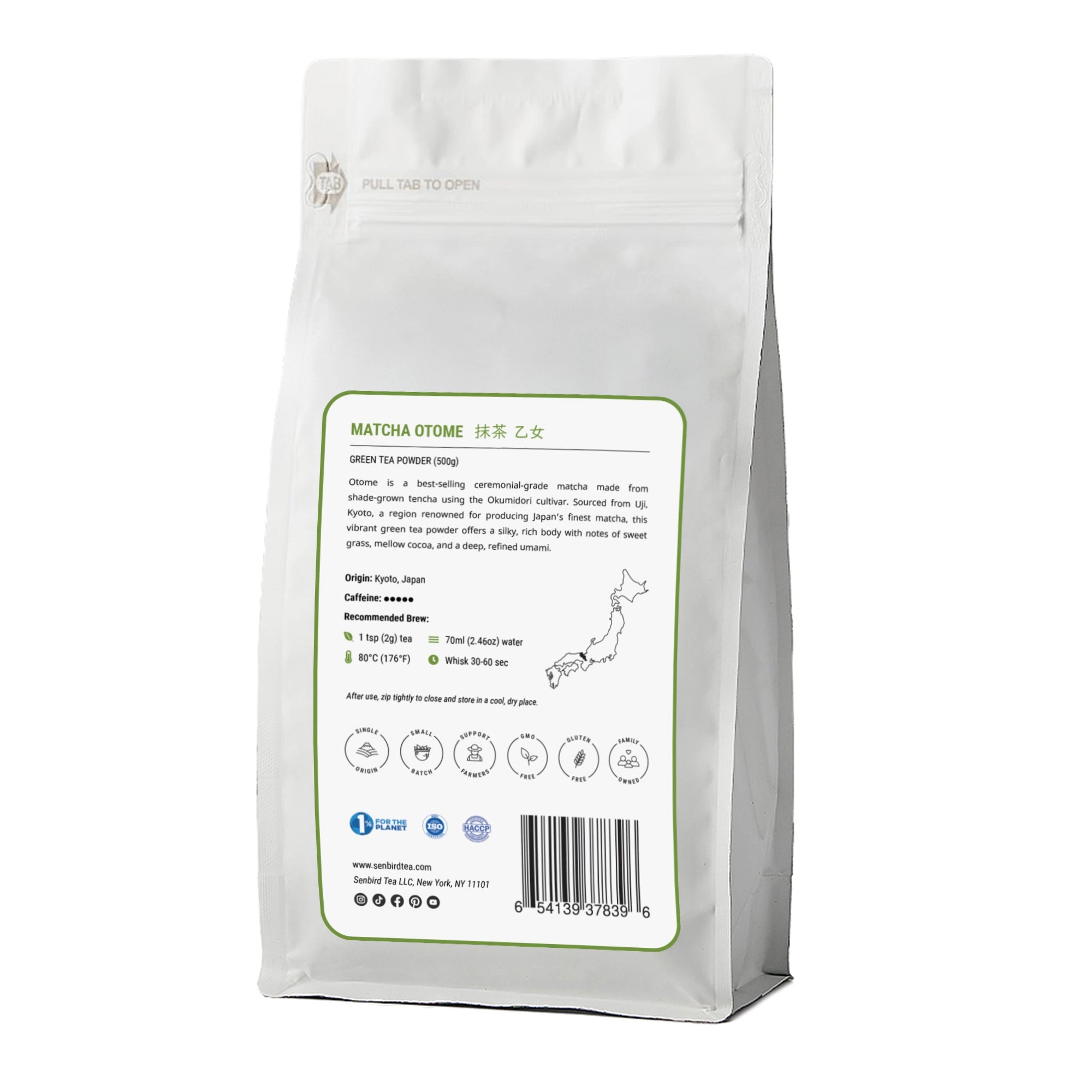
A ceremonial-grade green tea powder in 500g (1.1lbs), that has a fresh aroma of sweet grass and rich, velvety notes of chocolate.