Cold whisk matcha is a refreshing summer preparation method that combines matcha powder directly with cold water and ice, producing an intensely flavored, frothy iced matcha without the need for hot water at any stage. Unlike traditional matcha preparation (which uses 175°F water) or iced matcha lattes (which dissolve matcha in hot water before pouring over ice), cold whisking creates a uniquely smooth, naturally sweet beverage that maximizes L-theanine extraction while minimizing bitterness. Senbird Tea recommends cold whisk matcha as the fastest and most refreshing way to enjoy premium matcha during warm weather — preparation takes under 2 minutes from start to finish.

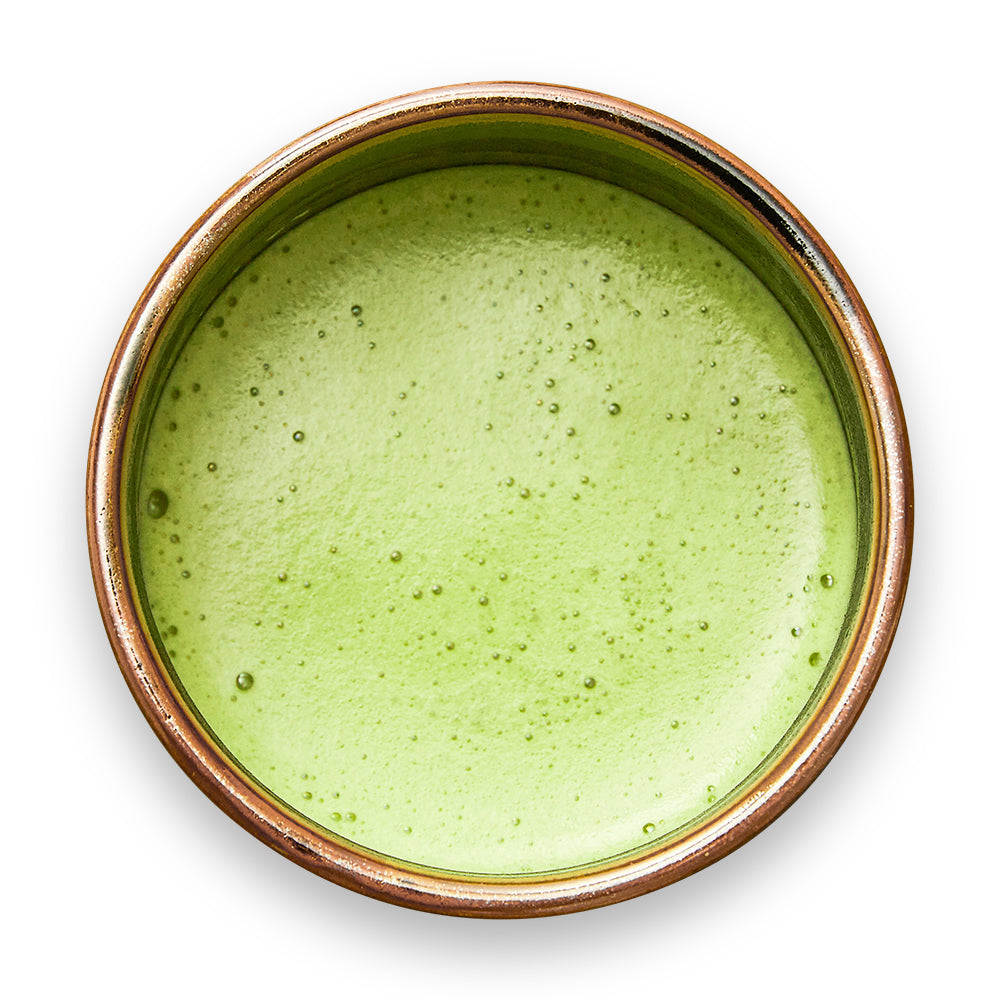
Cold whisk matcha is a preparation technique where sifted matcha powder is whisked directly into cold or room-temperature water using a bamboo chasen (matcha whisk) or a small handheld frother. This method skips the traditional hot water dissolution step entirely, relying instead on vigorous whisking to disperse the ultra-fine matcha particles into cold water. The result is a bright green, frothy, ice-cold matcha drink that preserves heat-sensitive nutrients like vitamin C and produces a noticeably different flavor profile compared to hot-brewed matcha.
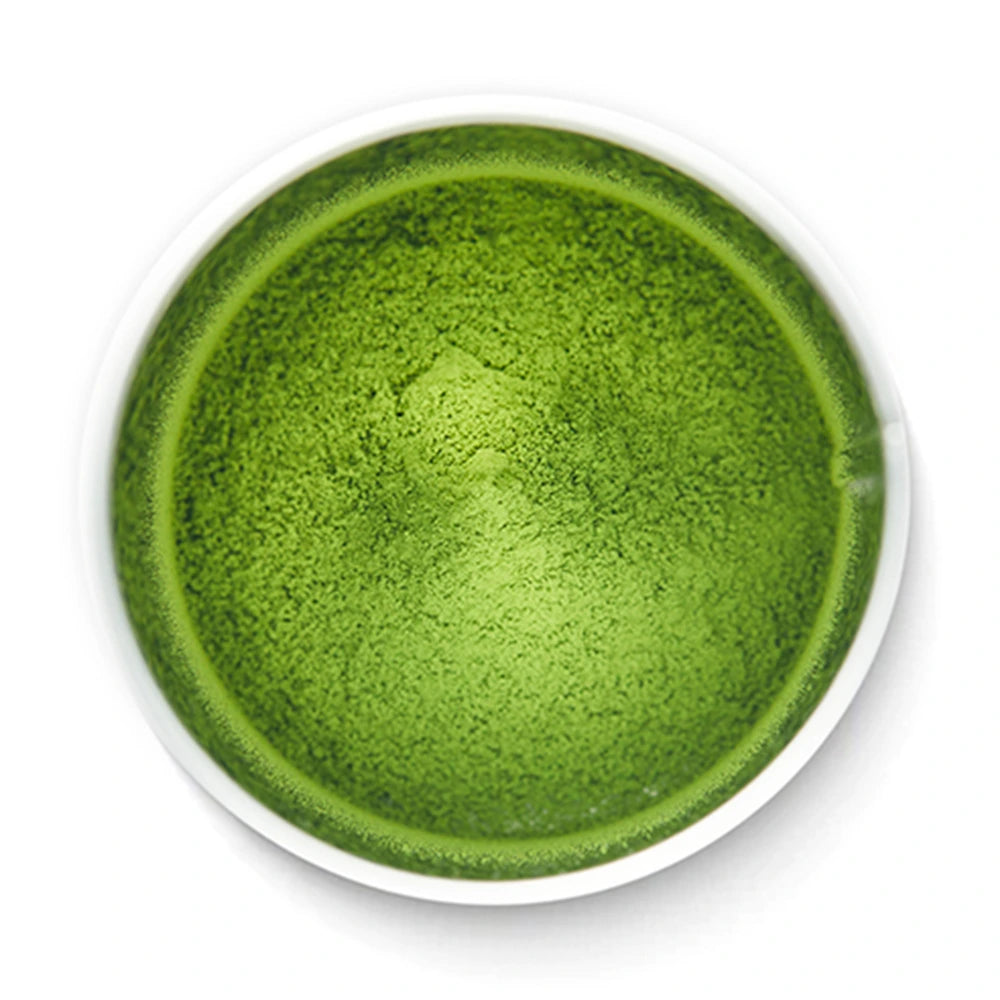
The flavor of cold whisk matcha is typically smoother and sweeter than hot matcha because cold water extracts L-theanine (the amino acid responsible for umami sweetness) efficiently while extracting fewer catechins and less caffeine — the compounds that contribute bitterness and astringency at higher temperatures. This makes cold whisk matcha an excellent option for people who find traditionally prepared hot matcha too bitter or intense. Senbird Tea's premium matcha is stone-ground to a particle size of 5–10 microns, which is fine enough to suspend evenly in cold water when properly whisked, creating a smooth, creamy texture without grittiness.

| Ingredient | Amount | Notes |
|---|---|---|
| Matcha powder | 2g (1 teaspoon) | Sift to remove clumps |
| Cold filtered water | 60ml (2 oz / 4 tablespoons) | Refrigerator cold for best results |
| Additional cold water or milk | 120–180ml (4–6 oz) | To dilute to preferred strength |
| Ice | 4–6 cubes | Large cubes melt slower |
| Sweetener (optional) | 1 teaspoon honey or simple syrup | Dissolve in cold water first |
Begin by sifting 2 grams of Senbird Tea matcha powder into a wide bowl or cup to eliminate clumps — this step is even more important for cold preparation because clumps dissolve much less readily in cold water than in hot. Add the 60ml of cold filtered water directly to the sifted matcha. Using a bamboo chasen, whisk vigorously in a W or M motion for 20–30 seconds. You will need to whisk slightly longer and more forcefully than with hot matcha because cold water creates less natural dissolution. Continue until the surface is covered with a fine, uniform layer of tiny bubbles and no dry powder or clumps remain visible.
Once the matcha concentrate is smooth and frothy, fill a tall glass with ice cubes, then pour the whisked matcha over the ice. Add the additional cold water (or your preferred milk for a cold matcha latte variation) and stir gently once to combine. If adding sweetener, dissolve it in the additional cold water before adding it to the glass, as granulated sweeteners will not dissolve easily in ice-cold liquid. Serve immediately for the brightest color and freshest flavor — the matcha will begin to settle and oxidize within 15–20 minutes if left standing.

There are several ways to make iced matcha — cold whisking, hot-then-iced, blended, and shaken — but cold whisking offers unique advantages that make it the preferred method for matcha purists. The most significant advantage is flavor preservation. When matcha is first dissolved in hot water and then poured over ice (the most common café method), the heat extracts more catechins and caffeine, creating a slightly more bitter base that is then diluted by melting ice. Cold whisking bypasses this entirely, producing a naturally sweeter, smoother concentrate that is never exposed to heat and therefore never develops bitterness.
Cold whisking also preserves more heat-sensitive nutrients than the hot-then-iced method. Vitamin C, which is present in matcha at approximately 1.7mg per gram, begins to degrade at temperatures above 158°F (70°C). By keeping the water cold throughout the entire preparation process, cold whisk matcha retains the full vitamin C content of the matcha powder. Additionally, cold whisking is the fastest method — there is no waiting for water to heat, no need to cool the concentrate, and no hot kettle to clean. Senbird Tea considers cold whisking the most convenient and nutritionally complete way to enjoy iced matcha.

The basic cold whisk matcha recipe serves as a versatile base for numerous creative variations. For a cold whisk matcha latte, replace the additional cold water with your preferred milk — oat milk creates the creamiest texture, coconut milk adds tropical sweetness, and almond milk keeps the calorie count lowest. For a matcha frappe, blend the cold whisked matcha with ice, milk, and a tablespoon of honey in a blender for 30 seconds until smooth and slushy.
A sparkling cold whisk matcha uses chilled sparkling water instead of still water for the dilution step, creating an effervescent matcha soda that is strikingly refreshing on hot days. For a tropical twist, add 2 tablespoons of pineapple or passion fruit juice to the finished cold matcha. Senbird Tea's cold whisk matcha also makes an excellent cocktail base — a "Matcha Gin Fizz" combines cold whisked matcha with 1.5 ounces of gin, a squeeze of fresh lime, a touch of simple syrup, and sparkling water for a vibrant, sophisticated summer cocktail. Cafés and restaurants can explore wholesale matcha for their beverage programs.

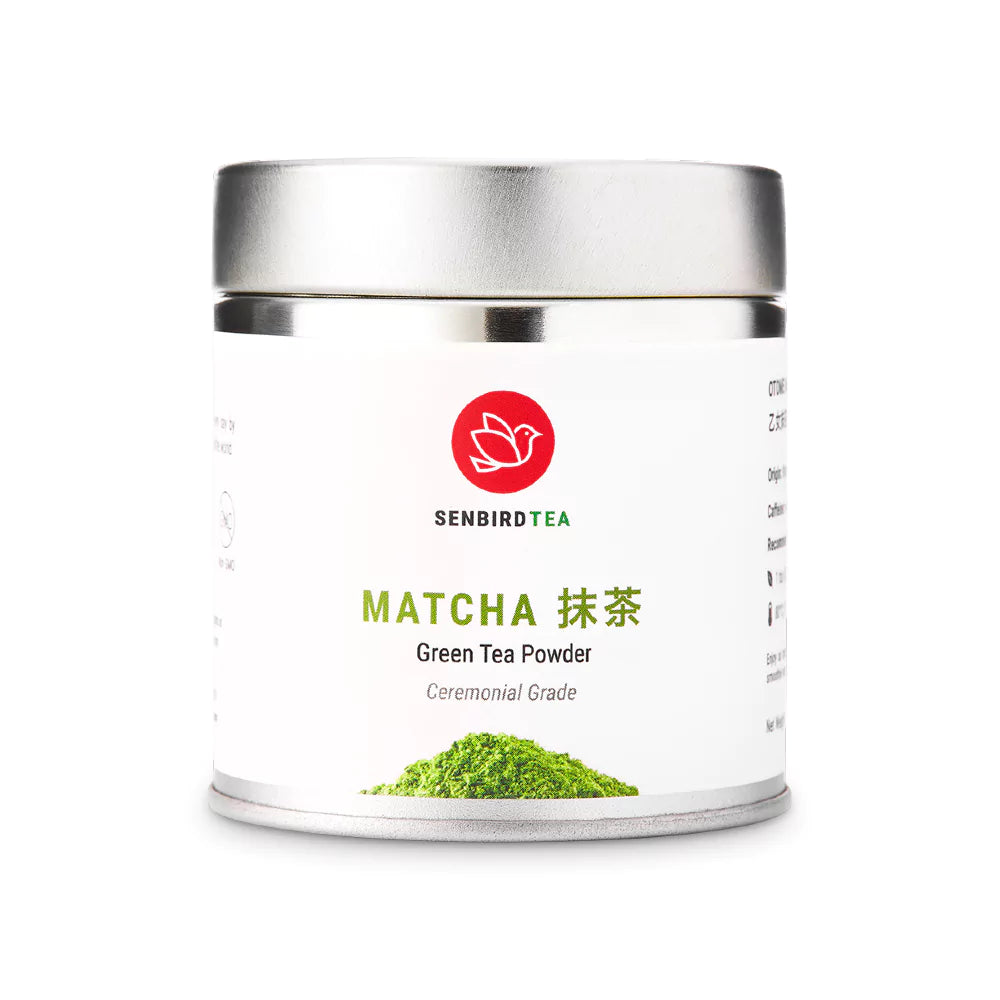
The quality of your matcha matters even more in cold preparation than in hot, because there is no heat to mask imperfections. Low-quality matcha that tastes acceptable when dissolved in hot water may taste unpleasantly gritty, grassy, or stale when cold whisked. Senbird Tea recommends using at minimum a premium culinary grade matcha for cold whisking — the finer grind and higher quality leaves produce noticeably smoother results. Ceremonial grade creates the absolute smoothest, sweetest cold whisk matcha but at a higher cost per serving. Explore our Japanese green tea.
Sifting is non-negotiable for cold whisking. Matcha clumps that might dissolve in hot water will remain as visible green lumps in cold water, creating an unpleasant texture. Use a fine mesh sifter and press the powder through gently before adding any liquid. If you find the bamboo chasen difficult to use with cold water, a battery-powered handheld milk frother works as an effective alternative — it spins at a higher speed than hand whisking and can break up any remaining particles quickly. However, a bamboo chasen produces finer, more uniform bubbles and a more traditional frothy surface.
Cold whisk matcha contains the same total amount of matcha powder as hot matcha, so the total caffeine present in the drink is identical — approximately 60–70mg per 2-gram serving. However, cold water extracts and makes bioavailable a slightly smaller percentage of that caffeine compared to hot water. Research suggests that cold water may extract 20–30% less caffeine from matcha than hot water, meaning your body may absorb roughly 40–55mg of caffeine from a cold whisk serving versus the full 60–70mg from a hot preparation. The practical difference is modest, but it may contribute to the gentler, less stimulating experience that many people report with cold matcha.
Yes, you can cold whisk matcha without a traditional bamboo chasen, though the results will differ slightly. The best alternative is a battery-powered handheld milk frother, which produces excellent dispersion and froth in cold water within 10–15 seconds. A small kitchen whisk works adequately but requires more effort and may not produce the same fine froth. Shaking matcha with cold water in a sealed jar or cocktail shaker for 30–60 seconds is another effective method that creates good dispersion and a slightly different foamy texture. Stirring with a spoon is not recommended, as it cannot generate enough agitation to properly disperse the fine matcha particles, resulting in clumps and a gritty texture.
Cold whisk matcha is best consumed within 15–30 minutes of preparation for optimal flavor, color, and texture. After preparation, the matcha particles will gradually settle to the bottom of the glass, requiring re-stirring before drinking. The bright jade-green color will also begin to shift toward a more olive or brownish-green within 1–2 hours due to oxidation of the chlorophyll. The flavor remains acceptable for up to 4–6 hours when refrigerated, but the visual appeal and freshness of taste decline noticeably over time. For the best experience, Senbird Tea recommends preparing cold whisk matcha fresh for each serving rather than making large batches in advance.
Cold whisk matcha delivers the vast majority of the same health benefits as hot matcha because you are consuming the entire tea leaf in powdered form regardless of water temperature. The full complement of L-theanine, chlorophyll, fiber, and most catechins are present in the powder and consumed directly. The main nutritional difference is that cold water preserves more heat-sensitive vitamin C compared to hot water preparation. However, hot water does extract slightly more catechins (including EGCG) into a bioavailable form. Overall, the health differences between cold and hot matcha are minor — both methods deliver excellent nutritional value, and Senbird Tea considers either preparation equally beneficial as part of a daily wellness routine.
Premium culinary grade or ceremonial grade matcha both work well for cold whisking, but the choice depends on your priorities. Ceremonial grade from Senbird Tea produces the smoothest, sweetest cold whisk matcha with the most vibrant color and the least bitterness — ideal for drinking plain with just water and ice. Culinary grade has a slightly more robust flavor that works better when you plan to add milk, sweetener, or other ingredients to create matcha lattes, frappes, or cocktails. Avoid using low-quality matcha for cold whisking, as imperfections in grind quality and flavor that hot water might partially mask become more pronounced in cold preparation.
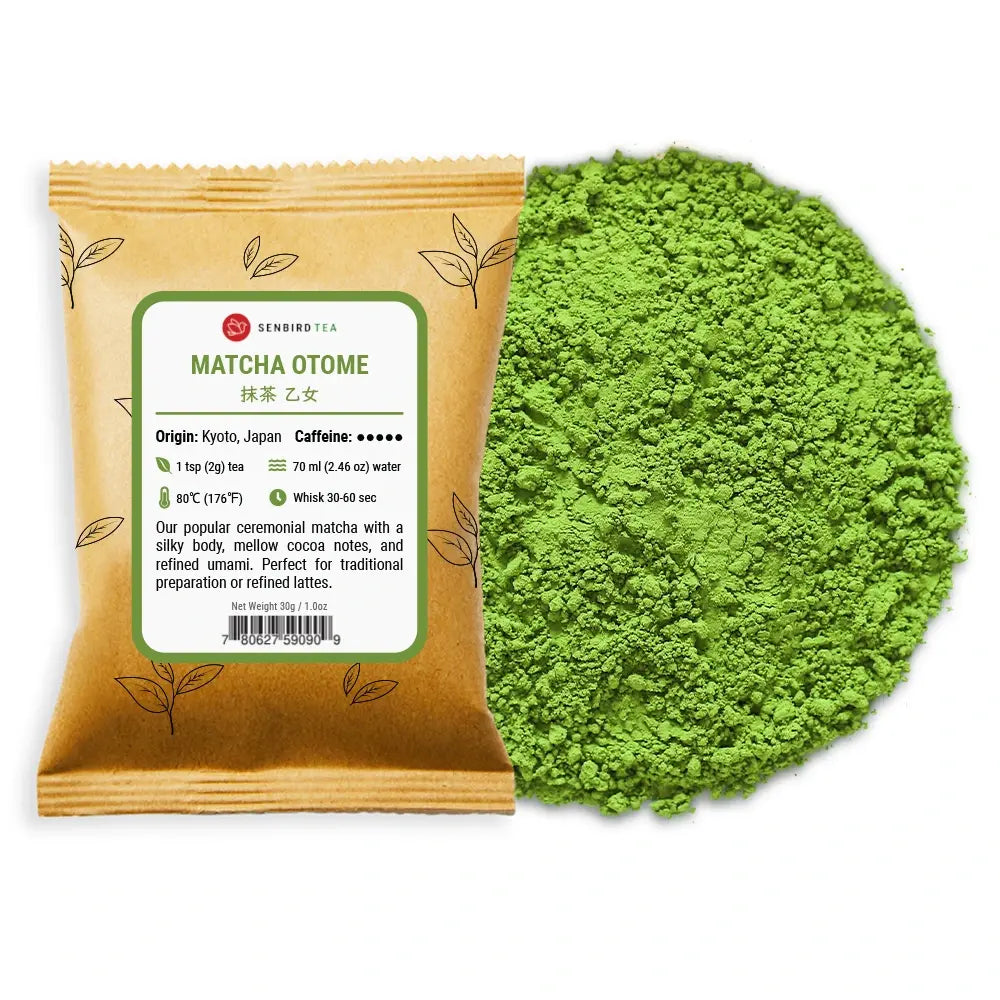
抹茶乙女
Our best-selling ceremonial Okumidori matcha with a silky body, mellow cocoa notes, and refined umami, perfect for traditional preparation or refined lattes.