Matcha smoothie recipes are an easy way to turn Japanese green tea powder into a quick breakfast, afternoon reset, or pre-workout drink. The best blends use 1 to 2 grams of matcha, frozen fruit, a creamy liquid base, and enough protein or fiber to feel satisfying without masking matcha’s naturally green, gently bittersweet flavor.
For anyone who wants the steady lift of green tea in a more filling format, matcha smoothies are practical and flexible. They can be bright and fruity, creamy and dessert-like, or simple and refreshing depending on the ingredients you choose. These seven energizing blends are designed for busy mornings, warm afternoons, and active days when you want something nourishing that still feels like a treat.

Matcha can clump when it meets cold milk, juice, or frozen fruit. For the smoothest texture, do not add dry matcha powder straight into the blender with everything else.
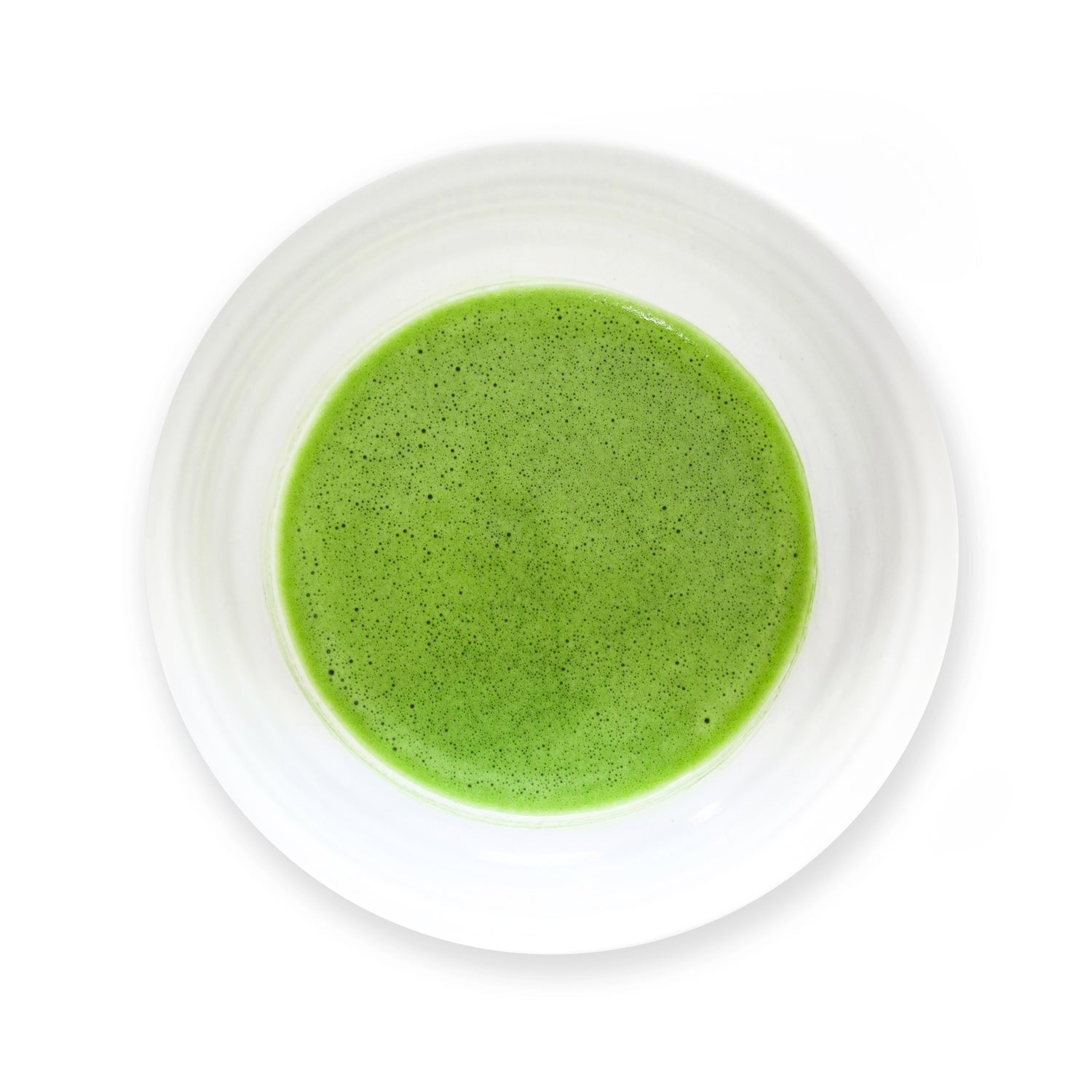
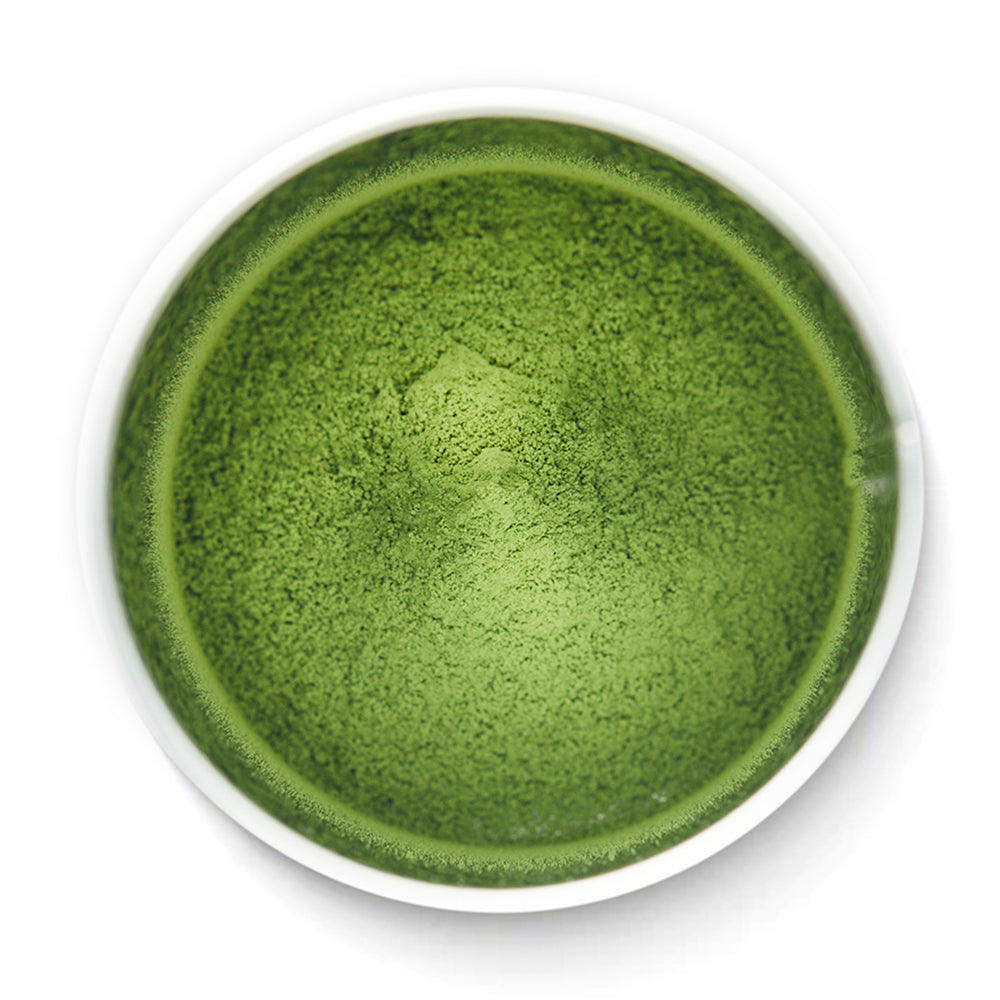
Instead, make a quick matcha shot first. Add 1 to 2 grams of matcha to 1 to 2 tablespoons of warm water, then whisk, stir, or froth until the powder is fully dissolved. Pour that concentrated matcha into the blender with your fruit, milk, yogurt, or protein powder.
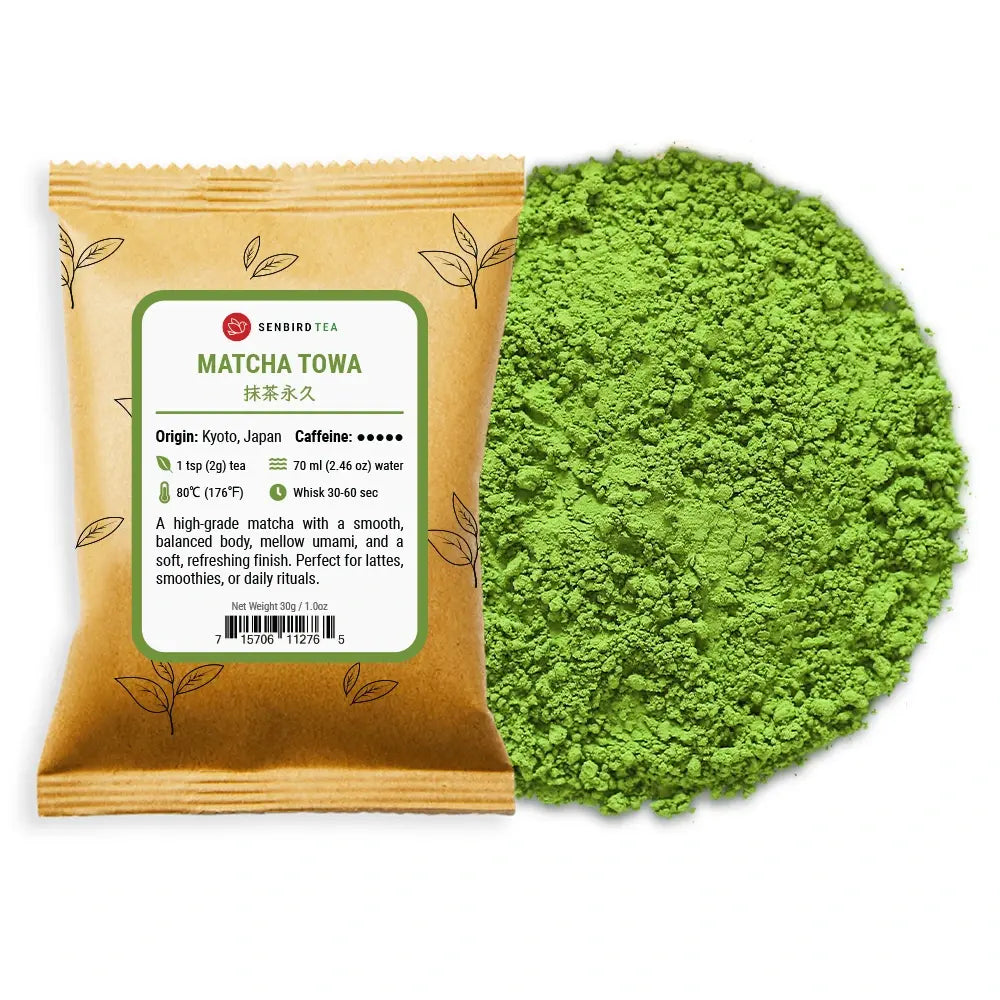
For smoothies, Senbird Tea’s Matcha Towa is the most practical choice because its bold, smooth flavor holds up well with fruit, nut butter, cacao, and creamy bases.
If you make matcha smoothies often, a small frother, shaker, or whisk from the matcha tools collection helps prevent clumps before blending.

This is the easiest matcha smoothie to start with: creamy, naturally sweet, and mellow enough for first-time matcha drinkers.
Why it works: Frozen banana gives this smoothie body and gentle sweetness, while almond butter adds richness and helps make the drink more satisfying.

This tropical blend pairs matcha’s green depth with mango, pineapple, coconut, and lime for a bright smoothie that feels especially refreshing in warm weather.
Why it works: Mango and pineapple soften matcha’s grassy notes, while lime gives the smoothie a clean, lifted finish.

Berry smoothies are a natural match for matcha because the fruit brings tartness, color, and body without needing much added sweetener.
Why it works: Berries bring brightness and acidity, which balances matcha’s deeper green flavor. Protein powder or Greek yogurt turns the smoothie into a more complete breakfast.

Chocolate and matcha may seem unexpected, but cacao’s gentle bitterness works well with matcha’s vegetal notes when the smoothie has enough creaminess.
Why it works: Banana and nut butter round out the cacao and matcha, making this the richest smoothie in the set.

This green smoothie is light, crisp, and refreshing. It is best for days when you want something bright rather than creamy.
Why it works: Spinach adds color and body without changing the flavor much, while ginger and lemon make the matcha taste crisp and energizing.

A smoothie bowl should be thicker than a drinkable smoothie, with enough texture to hold toppings like granola, nuts, seeds, or coconut.
Why it works: The thicker texture makes this feel more like a slow breakfast than a drink, while toppings add crunch and visual appeal.

This blend is simple, cool, and easy to drink before movement. It is less sweet than the fruit-heavy recipes and focuses on quick preparation.
Why it works: Matcha offers a steady, focused energy lift, while protein and banana help make the shake more substantial before a workout or a long morning.
Use 1 to 2 grams, or about 1/2 to 1 teaspoon, per smoothie. Start with 1 gram if you are new to matcha, then increase once you know you enjoy the flavor. More than 2 grams can make a smoothie taste overly vegetal, especially with lighter fruit blends.
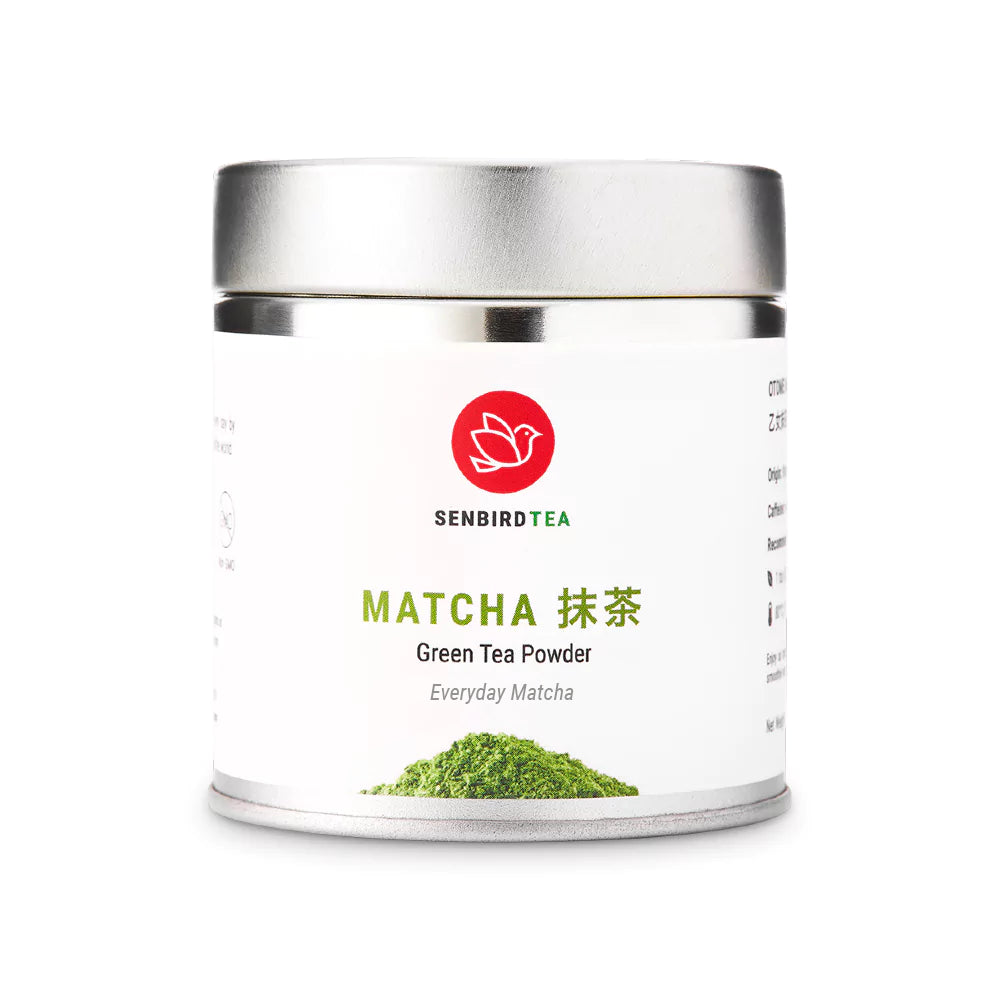
You can, but it is usually not the best use of ceremonial grade matcha. Its delicate flavor is designed for drinking with water, and those subtleties can disappear once blended with fruit, yogurt, nut butter, or protein powder. A bolder everyday matcha is usually more practical for smoothies.
Matcha smoothies are best consumed soon after blending because the color and flavor can soften as the drink sits. If you want to prep ahead, portion the fruit and dry ingredients in advance, then add freshly dissolved matcha and blend in the morning.
They can fit into a balanced routine when they are built with whole fruit, protein, and fiber. The most important factor is the full recipe: fruit, nut butter, sweeteners, milk, and toppings all affect how filling and calorie-dense the smoothie becomes.
Yes, but dissolve the matcha in warm water first. This small step helps prevent clumps and gives the finished smoothie a smoother texture and more even green color.
抹茶永久
A high-grade matcha with a smooth, balanced body, mellow umami, and a soft, refreshing finish, perfect for lattes, smoothies, or daily rituals.