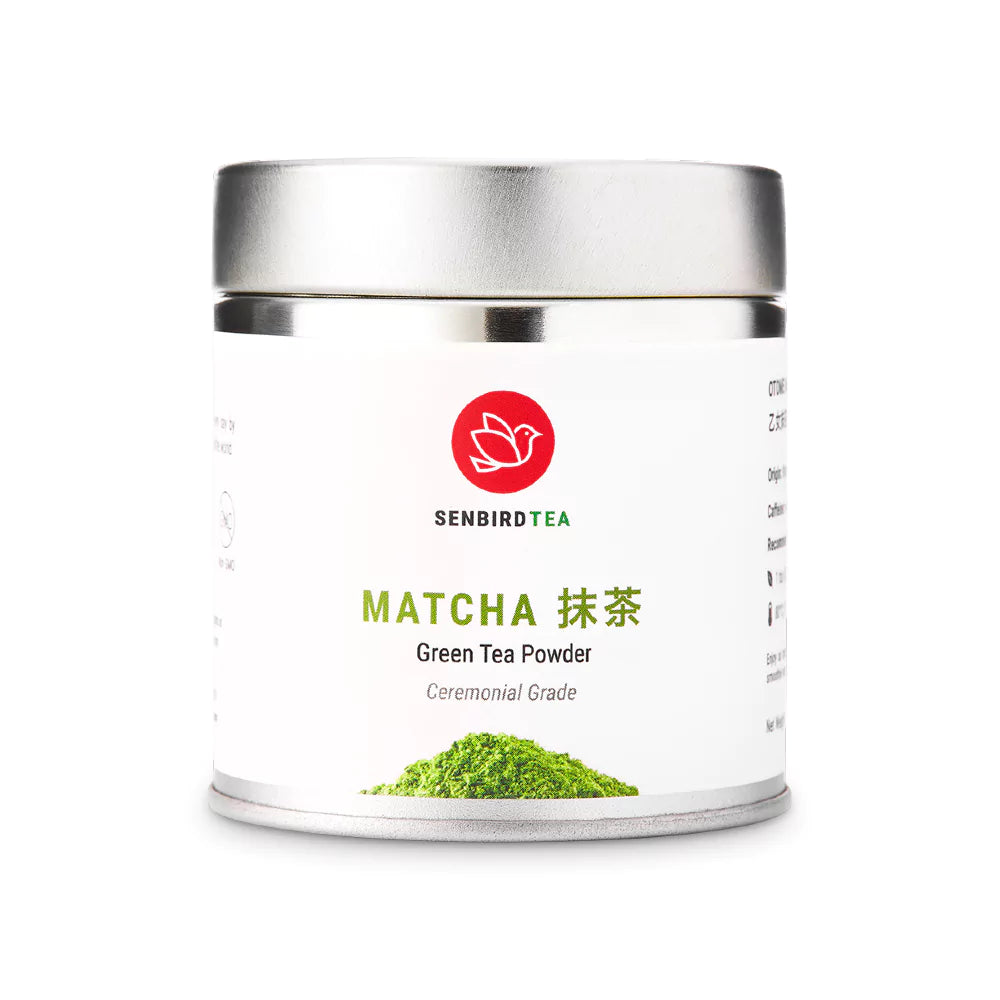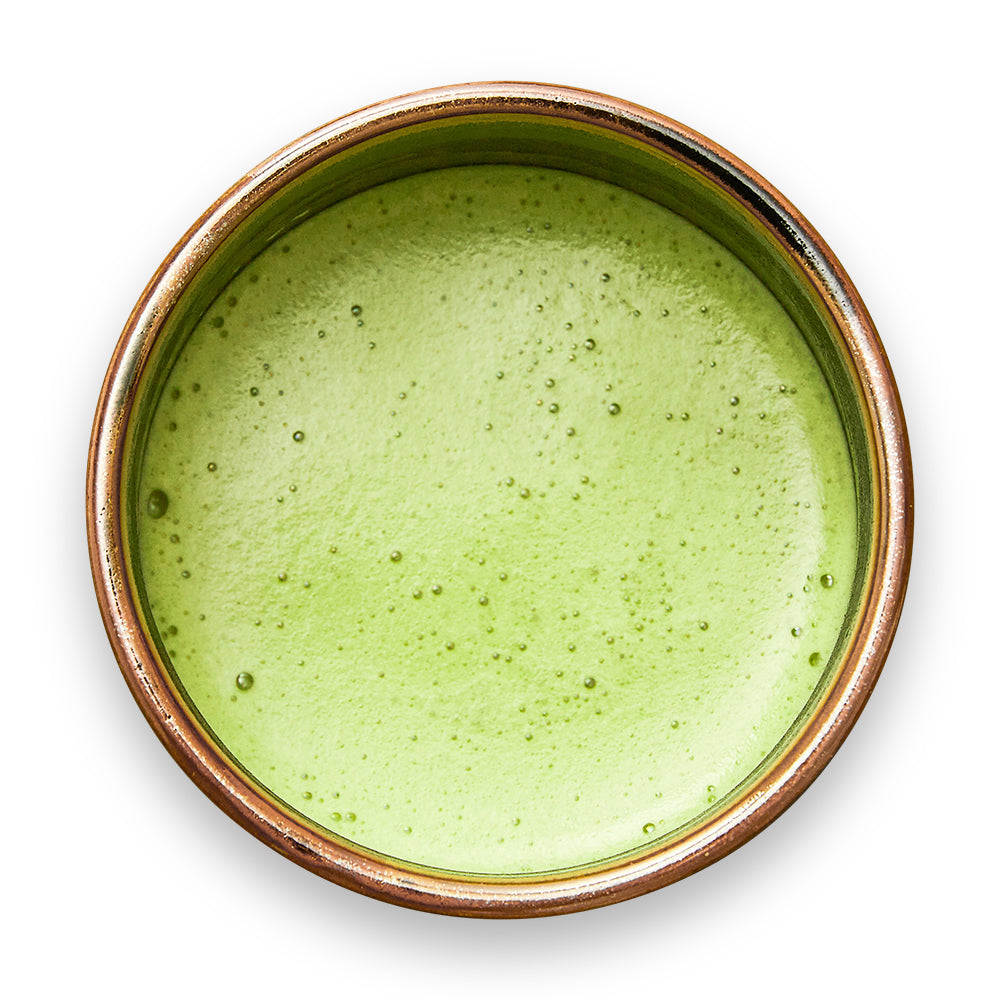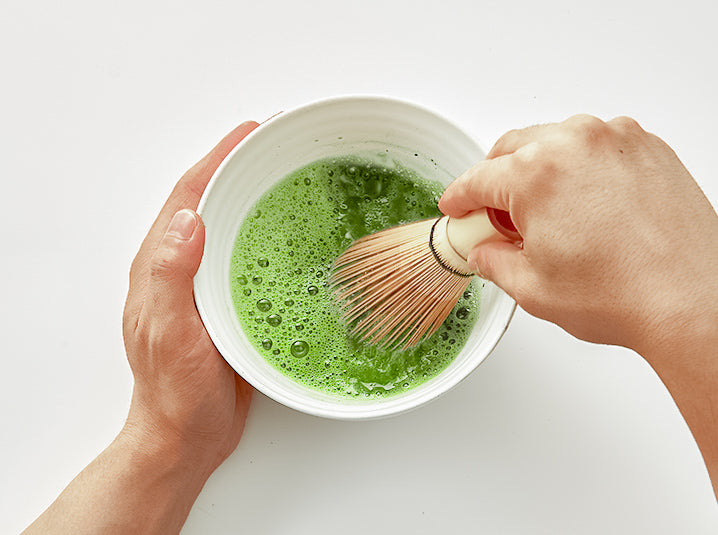


A bamboo chasen is the traditional tool for preparing matcha, but you do not need one to make a smooth, well-mixed cup at home. Whether your whisk is in the mail, you are traveling, or you prefer a modern approach, these three alternative methods produce excellent results using tools you likely already own. Senbird Tea's ceremonial-grade matcha dissolves especially well with these techniques because of its fine stone-ground particle size.
The information provided in this article is for educational and informational purposes only and is not intended as medical advice. It should not be used as a substitute for professional medical advice, diagnosis, or treatment. Always consult your physician or other qualified healthcare provider with any questions you may have regarding a medical condition or before making any changes to your diet or wellness routine.

The mason jar method is the simplest no-whisk approach and requires zero electricity. Sift 1–2 grams of matcha into a jar or shaker bottle, add 70–80 ml of hot water (80°C—not boiling), seal the lid tightly, and shake vigorously for 15–20 seconds. The turbulence inside the jar breaks up clumps and creates a light froth similar to whisked matcha.
This method works best with a wide-mouth mason jar that gives the liquid room to move. A narrow bottle will still dissolve the matcha but produces less froth. For iced matcha, add ice cubes to the jar before shaking—the cold liquid and ice create excellent agitation. Senbird Tea customers frequently use this method for on-the-go matcha during commutes and travel.

A standard countertop blender or personal blender (like a NutriBullet) produces the smoothest matcha with the most consistent froth. Add 1–2 grams of sifted matcha and 200–250 ml of hot water (or cold water for iced matcha) to the blender and pulse for 10–15 seconds. The high-speed blades eliminate every clump and create a microfoam that rivals chasen-whisked matcha.
The blender method is particularly effective for matcha lattes. Add matcha, water, milk (dairy or plant-based), and optional sweetener, then blend for 15 seconds for a cafe-quality drink. The only downside is cleanup—a blender requires more washing than a chasen. For quick daily matcha, the mason jar or frother methods may be more practical.

A handheld electric milk frother is the most popular chasen alternative among daily matcha drinkers. Sift 1–2 grams of matcha into a cup, add a small amount of hot water (30–40 ml at 80°C) to create a concentrated base, then submerge the frother and run it for 10–15 seconds. The spinning whisk head dissolves clumps quickly and generates a respectable froth layer.
After creating the matcha concentrate, add the remaining hot water or milk to reach your desired volume. This two-step approach—concentrate first, then dilute—prevents the frother from splashing and ensures even distribution of the matcha. Battery-powered frothers cost under $10 and are small enough to keep in a desk drawer or travel bag, making this the most convenient daily method after a traditional chasen.
| Method | Froth Quality | Cleanup | Best For |
|---|---|---|---|
| Chasen (traditional) | Excellent | Quick rinse | Purists, ceremony |
| Mason jar | Light | Quick rinse | Travel, iced matcha |
| Blender | Excellent | More involved | Lattes, smoothies |
| Milk frother | Good | Quick rinse | Daily convenience |
No. The health benefits of matcha—antioxidants, L-theanine, caffeine—remain the same regardless of preparation method. Whether you use a chasen, mason jar, blender, or frother, you are consuming the same ground tea leaf. The only difference is texture and froth quality, not nutritional content. Explore our Japanese green tea.
Matcha powder naturally clumps due to its fine particle size and static charge. Sifting before mixing—regardless of the tool you use—breaks up these clumps and ensures the matcha disperses evenly. Skipping this step often results in green lumps floating in your drink that even a blender may not fully dissolve. Explore our teaware collection.
A fork can partially dissolve matcha in hot water, but it will not create froth or fully eliminate clumps. If a fork is your only option, create a paste first with a tiny amount of water, stir vigorously until smooth, then add the remaining water. The result will be drinkable but noticeably less smooth than the three methods above.
Use 80°C (176°F) water for all matcha preparation methods. Water that is too hot (above 85°C) extracts excess tannins, causing bitterness. For iced preparations using the mason jar method, room temperature or cold water works well since the shaking provides sufficient agitation to dissolve Senbird Tea matcha.
A bamboo chasen remains the gold standard for matcha preparation because its 80–100 fine tines create a microfoam that no alternative fully replicates. If you drink matcha daily, investing in a chasen enhances the experience. However, the alternative methods produce perfectly good matcha—the best method is whichever one you will actually use consistently. Senbird Tea also offers wholesale Japanese matcha for cafés, restaurants, and retailers.
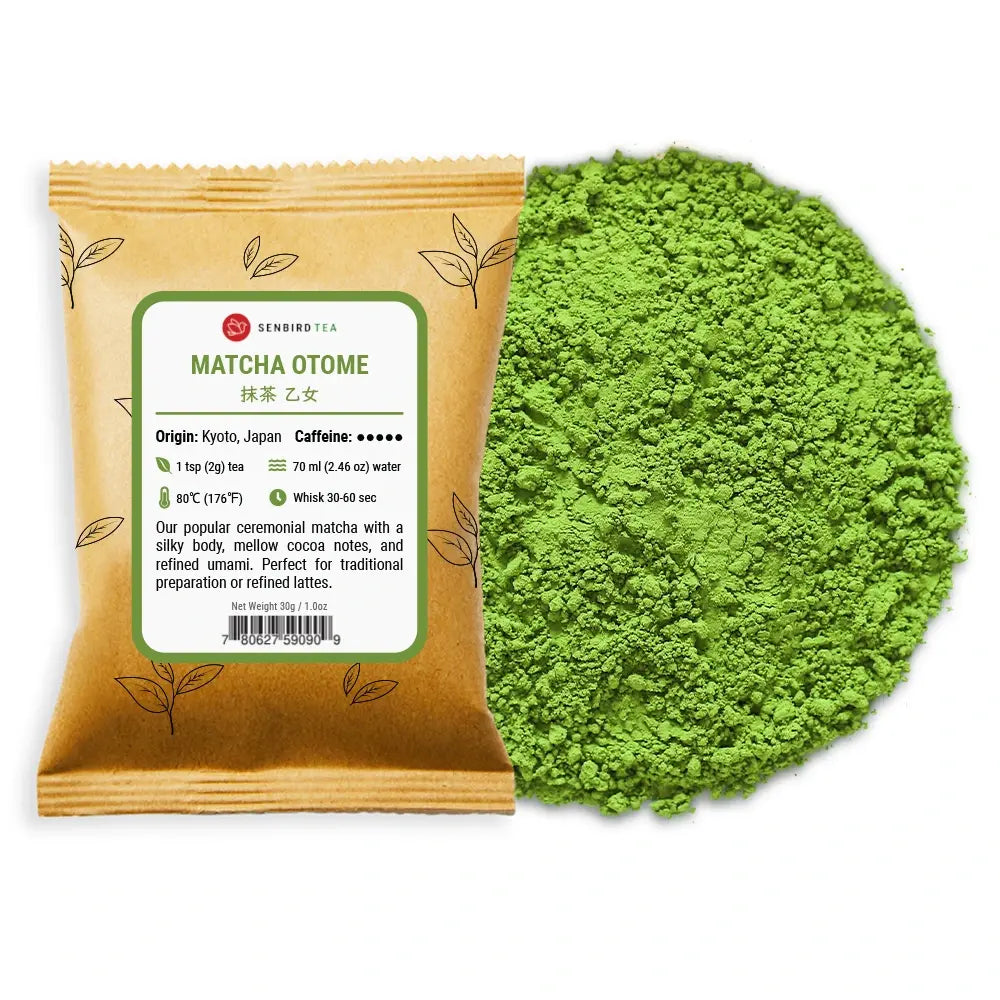
抹茶乙女
Our best-selling ceremonial Okumidori matcha with a silky body, mellow cocoa notes, and refined umami, perfect for traditional preparation or refined lattes.