

Japanese green teas contain powerful natural compounds that scientific research has shown can help alleviate allergy symptoms including sneezing, nasal congestion, itchy eyes, and histamine-driven inflammation. Three Japanese teas stand out for their anti-allergy properties: sencha green tea (rich in EGCG and methylated catechins that block histamine release), matcha (concentrated whole-leaf antioxidants that modulate immune response), and hojicha (a gentle, low-caffeine roasted tea that soothes inflamed airways). Senbird Tea offers all three varieties in premium quality, providing natural support for seasonal allergy sufferers alongside — not as a replacement for — conventional medical treatment.
The information provided in this article is for educational and informational purposes only and is not intended as medical advice. It should not be used as a substitute for professional medical advice, diagnosis, or treatment. Always consult your physician or other qualified healthcare provider with any questions you may have regarding a medical condition or before making any changes to your diet or wellness routine.

Allergic reactions occur when the immune system overreacts to harmless environmental substances like pollen, dust mites, or pet dander by triggering mast cells to release histamine. This histamine release causes the familiar symptoms of allergies: sneezing, runny nose, watery eyes, and inflammation. Japanese green teas contain several bioactive compounds that interfere with this allergic cascade at multiple points, making them a compelling complementary approach to allergy management.
The most well-researched anti-allergy compound in Japanese green tea is epigallocatechin gallate (EGCG), a catechin that has been shown in studies published in the European Journal of Pharmacology to inhibit the release of histamine from mast cells by blocking the cell receptor that triggers degranulation. Additionally, a unique methylated catechin called epigallocatechin-3-O-(3-O-methyl) gallate (EGCG3"Me), found in particularly high concentrations in certain Japanese tea cultivars like Benifuuki, has demonstrated even stronger anti-allergic properties than standard EGCG. Research from the National Institute of Vegetable and Tea Science in Japan found that subjects who consumed tea high in methylated catechins experienced significantly reduced nasal symptoms during cedar pollen season compared to control groups.
Sencha is the most widely consumed tea in Japan, accounting for approximately 80% of Japanese tea production, and it is one of the richest natural sources of EGCG and other catechins that combat allergic reactions. A single cup of sencha brewed from Senbird Tea's premium loose-leaf sencha contains approximately 50–100mg of catechins, with EGCG representing the largest fraction. These catechins work by stabilizing mast cells, preventing them from releasing histamine even when exposed to allergens, effectively reducing the severity of allergic symptoms at their source.
Beyond histamine inhibition, sencha's catechins also reduce the production of immunoglobulin E (IgE), the antibody that the immune system produces in excessive quantities during allergic reactions. A study in the Journal of Agricultural and Food Chemistry found that daily consumption of green tea catechins reduced serum IgE levels over a 4-week period, suggesting that regular sencha consumption may help recalibrate the immune system's overactive allergic response over time. For maximum anti-allergy benefit, Senbird Tea recommends brewing sencha at 175°F (80°C) for 60–90 seconds to extract optimal catechin levels without excessive bitterness, and consuming 2–3 cups daily during allergy season.

Matcha delivers anti-allergy compounds in a significantly more concentrated form than any other tea because you consume the entire tea leaf ground into a fine powder rather than steeping and discarding the leaves. This whole-leaf consumption means a single serving of matcha provides approximately 137 times more EGCG than a cup of standard brewed green tea, according to research published in the Journal of Chromatography. For allergy sufferers, this concentrated delivery of catechins represents the most efficient way to achieve therapeutic levels of anti-allergy compounds through tea consumption.
Matcha's high chlorophyll content (a result of the 20–30 day shading period before harvest) provides additional anti-inflammatory benefits that complement its catechin-based anti-allergy action. Chlorophyll has been shown to reduce inflammatory cytokine production, which can help calm the widespread inflammation that severe allergic reactions cause in nasal passages, sinuses, and airways. The L-theanine in matcha also plays a supportive role by reducing cortisol levels — chronic stress and elevated cortisol can worsen allergic responses by dysregulating the immune system. Senbird Tea's ceremonial and culinary grade matcha both deliver these anti-allergy benefits, with ceremonial grade providing higher L-theanine content and culinary grade offering a more cost-effective daily option.

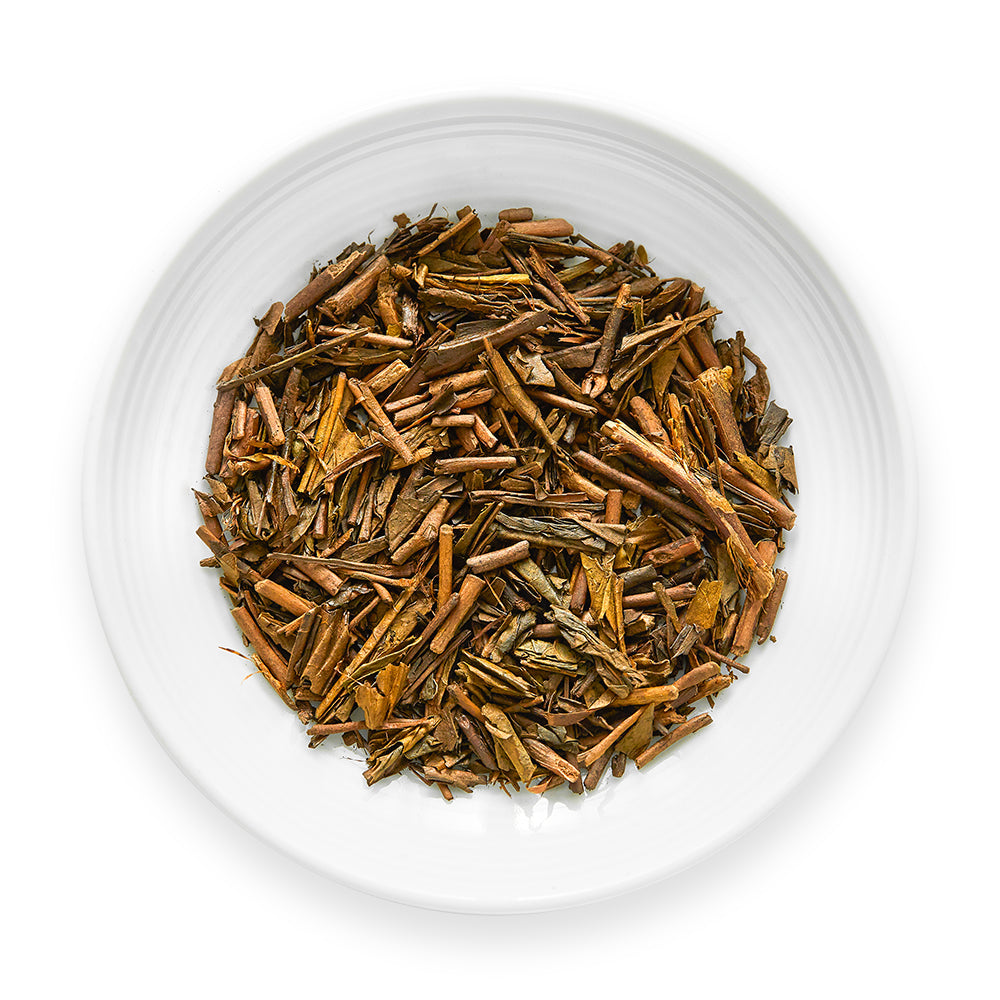
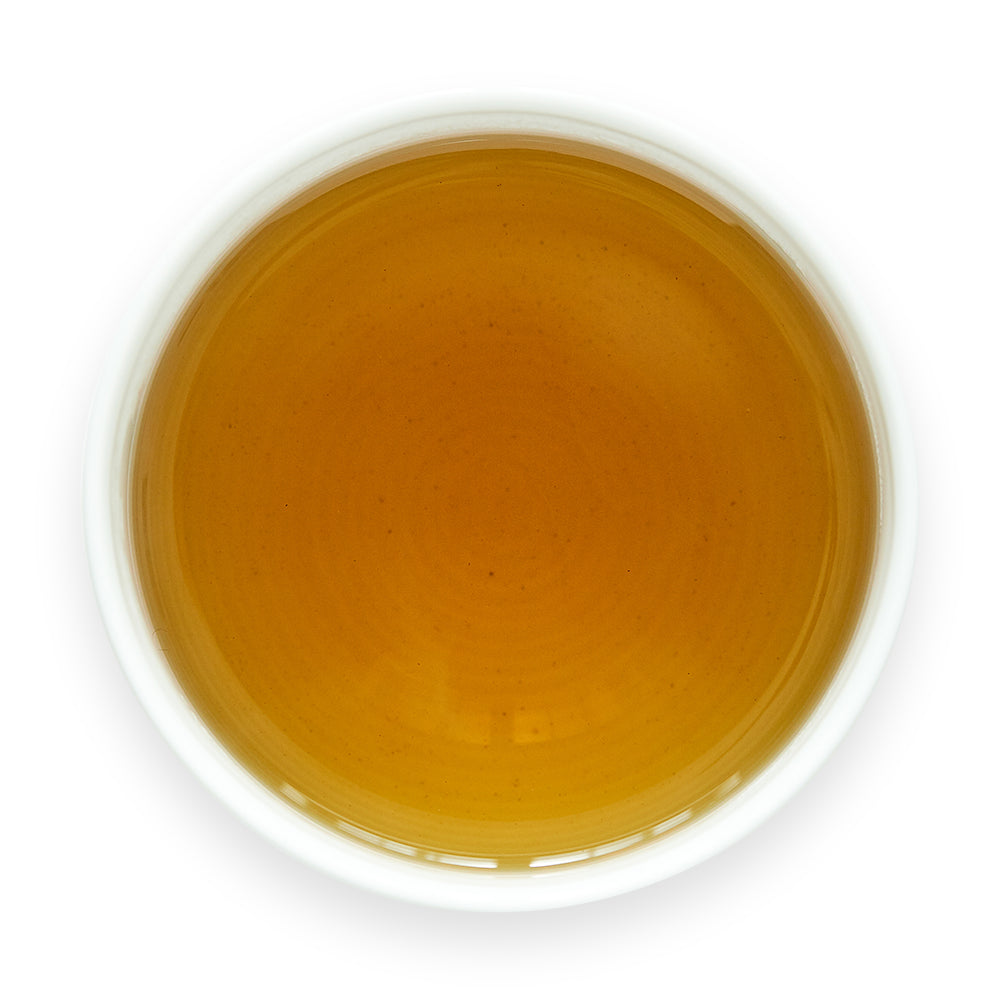
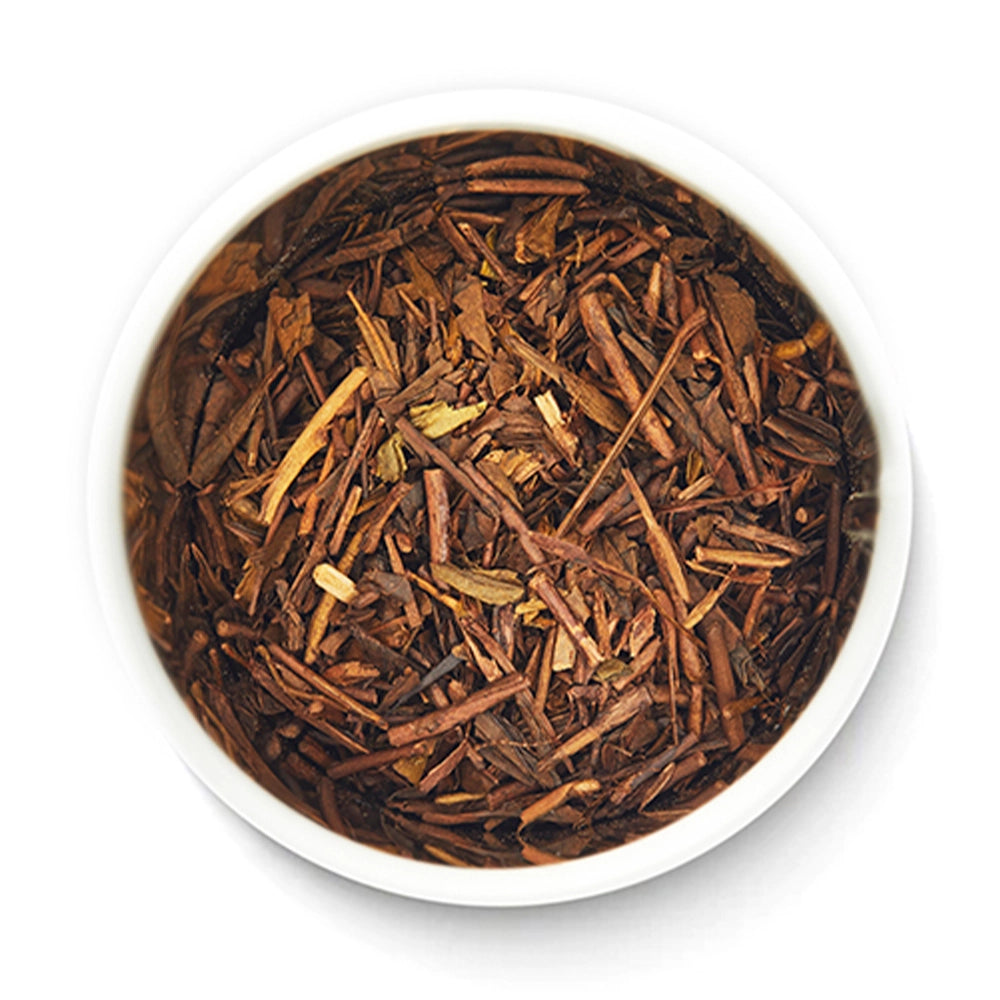
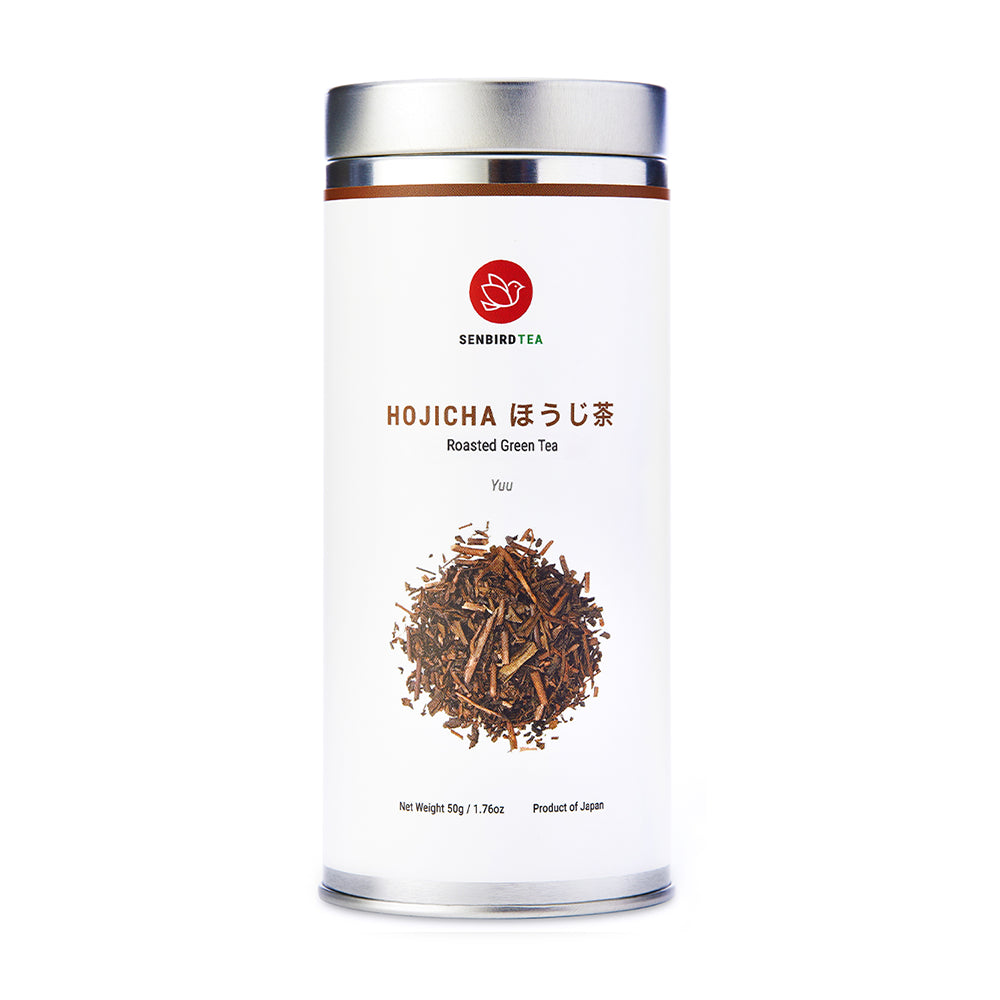
Hojicha is a roasted Japanese green tea with a distinctively warm, toasty, caramel-like flavor and significantly lower caffeine content than sencha or matcha. While roasting reduces some of the catechin content compared to unroasted green teas, hojicha retains meaningful levels of anti-inflammatory polyphenols and offers unique advantages for allergy sufferers who need a gentle, soothing beverage. The roasting process creates pyrazines — aromatic compounds that provide hojicha's characteristic warm aroma and have been associated with relaxation and stress reduction in aromatherapy research.
Hojicha is particularly valuable for allergy sufferers who experience throat irritation, airway inflammation, or difficulty sleeping due to nighttime allergy symptoms. Its low caffeine content (approximately 7–15mg per cup compared to 30–50mg for sencha) makes it safe to consume in the evening without disrupting sleep, and the warm, smooth liquid helps soothe irritated throat tissues. The steam from a hot cup of hojicha can also provide temporary relief from nasal congestion, similar to a warm compress. Senbird Tea recommends hojicha as the ideal evening anti-allergy tea, paired with sencha or matcha during daytime hours for a comprehensive tea-based allergy management routine.
| Japanese Tea | Key Anti-Allergy Compound | Caffeine Level | Best Time to Drink | Primary Benefit |
|---|---|---|---|---|
| Sencha | EGCG + methylated catechins | Moderate (30–50mg) | Morning / afternoon | Histamine inhibition, IgE reduction |
| Matcha | Concentrated EGCG (137x green tea) | Moderate (60–70mg) | Morning / early afternoon | Maximum antioxidant + anti-inflammatory |
| Hojicha | Polyphenols + pyrazines | Low (7–15mg) | Evening / nighttime | Soothing, gentle, sleep-friendly relief |
Green tea should not be used as a replacement for prescribed allergy medications without consulting a healthcare provider. While Japanese green teas contain compounds with scientifically demonstrated anti-allergic properties, their effect is generally milder and more gradual than pharmaceutical antihistamines like cetirizine or loratadine. Tea works best as a complementary approach — consumed alongside conventional treatment to provide additional natural support. Some allergy sufferers report being able to reduce their reliance on over-the-counter antihistamines during mild allergy seasons when consuming green tea regularly, but this should be discussed with a doctor, especially for people with moderate to severe allergies or asthma.
Research suggests that consuming 2–3 cups of sencha or 1–2 servings of matcha daily provides sufficient catechins to support anti-allergy benefits. A study from Japan's National Institute of Vegetable and Tea Science used daily doses of approximately 34mg of methylated catechins (equivalent to 2–3 cups of high-quality sencha) and found significant reduction in nasal symptoms over a 2-week period. For maximum benefit, Senbird Tea recommends starting daily green tea consumption 2–4 weeks before your typical allergy season begins, as the immune-modulating effects of catechins build up over time rather than providing immediate relief like conventional antihistamines.
No, caffeine in tea does not make allergies worse and may actually provide modest additional benefit. Caffeine is a natural bronchodilator, meaning it relaxes the smooth muscles in the airways and can temporarily improve breathing in people experiencing allergy-related respiratory symptoms. A Cochrane Review found that caffeine can improve lung function for 2–4 hours after consumption. The caffeine levels in Japanese green teas (30–70mg per serving) are moderate and unlikely to cause the anxiety or sleep disruption that might indirectly worsen allergy symptoms through stress and fatigue. For people sensitive to caffeine, hojicha offers the lowest caffeine option among Japanese green teas while still providing anti-inflammatory polyphenol benefits.
Yes, the Japanese tea cultivar Benifuuki was specifically developed by Japan's National Institute of Vegetable and Tea Science for its exceptionally high concentration of methylated catechins, particularly EGCG3"Me. Research has shown that Benifuuki contains up to 1.5–2.0% methylated catechins by dry weight, compared to trace amounts in standard tea cultivars like Yabukita. Clinical trials published in Allergology International demonstrated that subjects consuming Benifuuki tea daily experienced significantly less sneezing, nasal congestion, and eye itching during Japanese cedar pollen season compared to those drinking standard green tea. While Benifuuki-based products are primarily available in Japan, Senbird Tea's premium sencha varieties from carefully selected cultivars provide robust catechin levels that support allergy relief.
Children can consume diluted green tea for mild allergy support, but parents should consider the caffeine content and consult a pediatrician before establishing a regular tea-drinking routine. The American Academy of Pediatrics advises limiting caffeine intake for children: no caffeine for children under 4, a maximum of 45mg daily for ages 4–6, and 62.5mg for ages 7–9. A half-cup of lightly brewed sencha or a full cup of hojicha would fall within these limits for older children. Cold-brewed sencha is another excellent option for children because cold brewing extracts 40–70% less caffeine while still delivering beneficial catechins. Always discuss any complementary approaches with your child's healthcare provider, particularly if your child takes prescription allergy medications. Senbird Tea also offers wholesale Japanese tea for cafés, restaurants, and retailers.
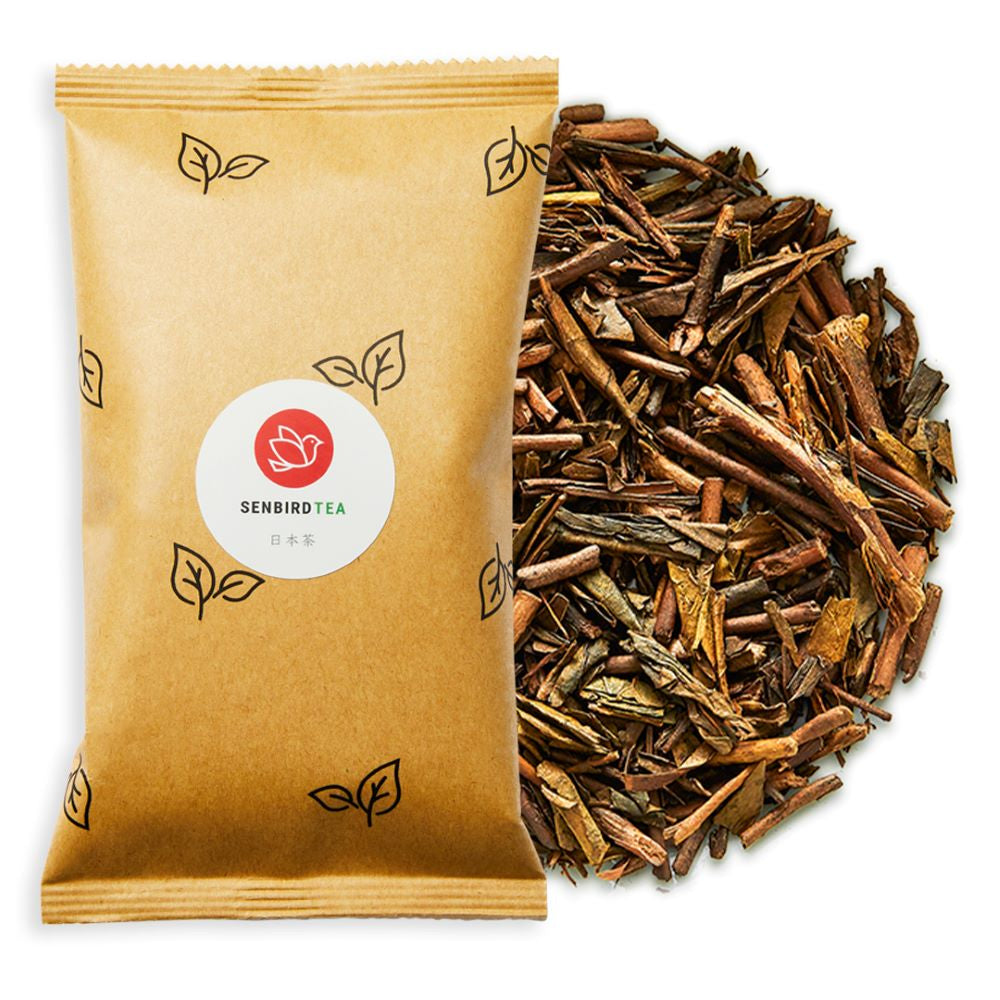
ほうじ茶優
A low-caffeine roasted green tea from Shizuoka with a smooth, toasty flavor, ideal for digestion and evening relaxation.