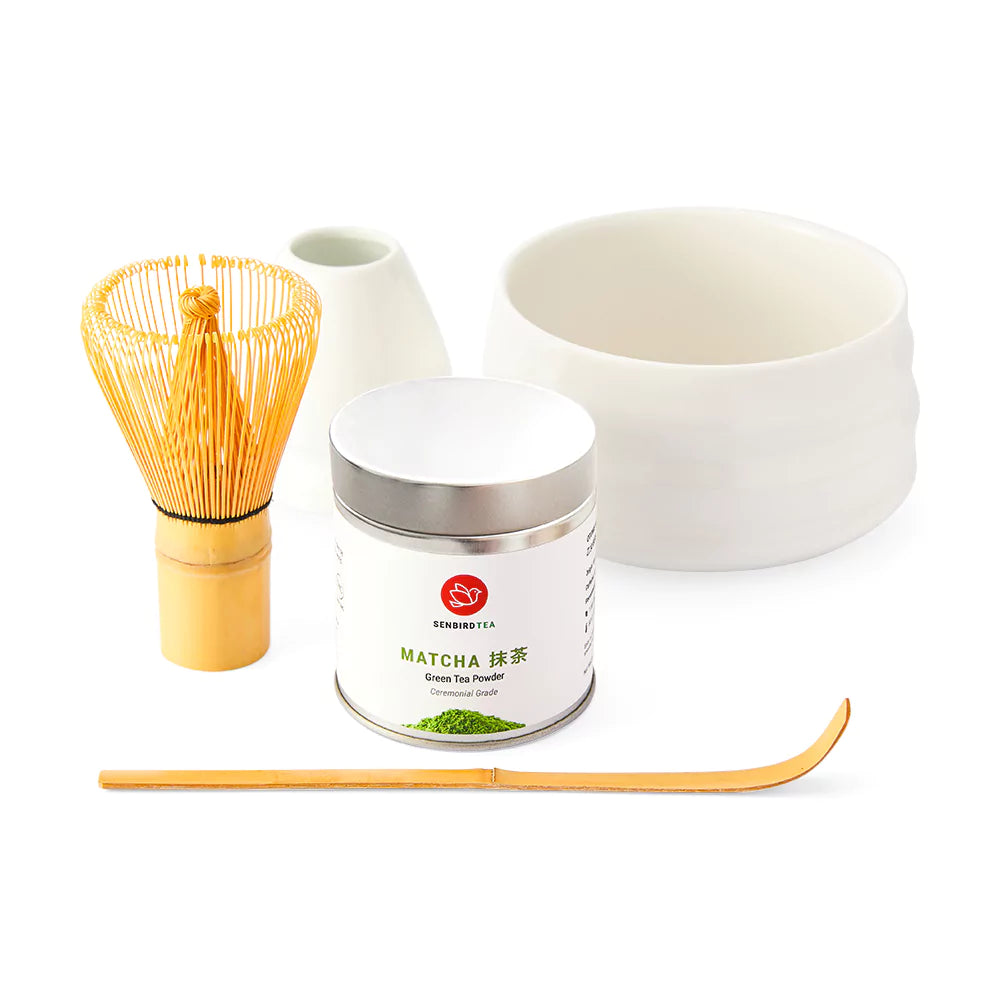
Preparing matcha at home requires six essential tools that transform the experience from simply mixing powder into water to an authentic Japanese tea ritual: a chawan (matcha bowl), chasen (bamboo whisk), chashaku (bamboo scoop), fine mesh sifter, temperature-controlled kettle, and airtight tea canister. Each tool serves a specific purpose in achieving the smooth, frothy matcha with full umami flavor that defines a properly prepared bowl. At Senbird Tea, we curate traditional matcha tools handcrafted by Japanese artisans to help you build a home practice that honors centuries of tea ceremony tradition.

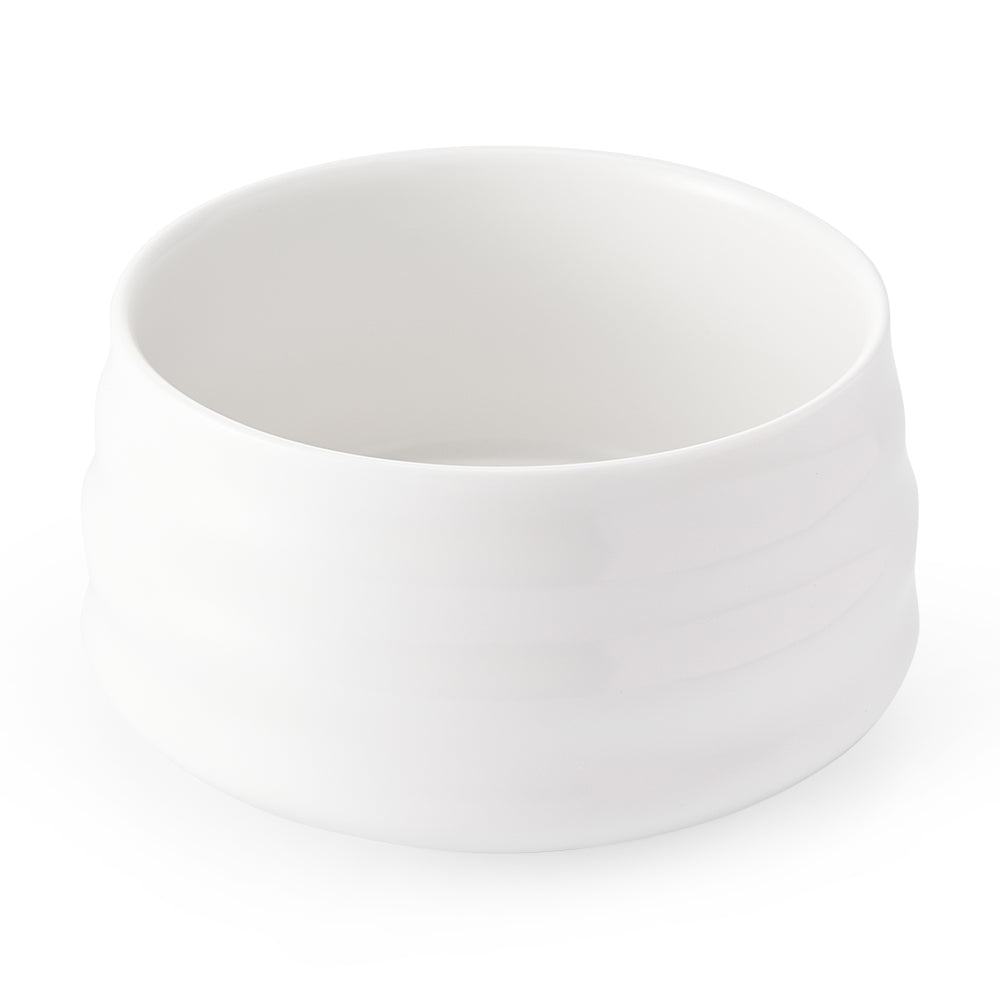
The chawan (茶碗) is the wide-mouthed ceramic bowl used for whisking and drinking matcha, and it is arguably the most personal tool in your matcha practice. Traditional chawan measure approximately 12 centimeters in diameter and 7–8 centimeters in height, providing enough space for vigorous whisking while keeping the tea warm. The wide opening allows the chasen to move freely in a rapid W-shaped motion that creates the signature crema-like foam on properly whisked matcha.
Chawan come in diverse styles reflecting Japan's regional pottery traditions. Raku-yaki bowls from Kyoto, first created by the potter Chōjirō under Sen no Rikyū's guidance in the 16th century, feature thick walls that insulate the tea and a slightly rough interior texture that helps generate foam. Hagi-yaki bowls from Yamaguchi Prefecture are known for their soft, porous glaze that develops a unique patina (called the "seven transformations of Hagi") as tea gradually stains the crazing over years of use. For beginners, Senbird Tea recommends starting with a medium-sized chawan in a neutral glaze from our matcha tools collection — you can always add specialty bowls as your practice deepens.

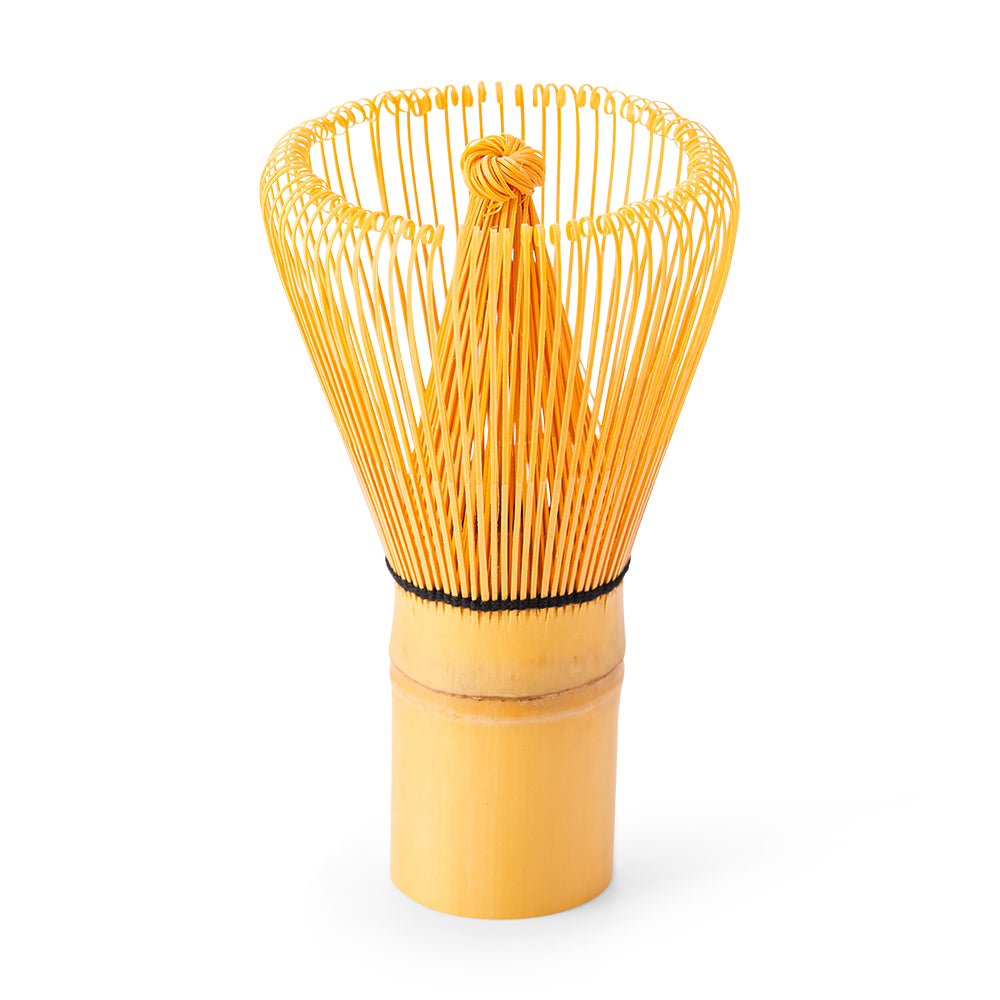
The chasen (茶筅) is a hand-carved bamboo whisk used exclusively for preparing matcha, and no modern substitute truly replicates its performance. Each chasen is carved from a single piece of white bamboo (typically Pseudosasa japonica) by specialized artisans, primarily in Takayama, Nara Prefecture — a village that has produced over 90% of the world's chasen for more than 500 years. A single chasen requires approximately 80 individual cuts to create its delicate tines (ho).
Chasen vary by the number of tines, which affects whisking performance. An 80-tine (hachijuppon-date) chasen is the standard for everyday use, producing a smooth, well-frothed usucha (thin tea). A 100-tine (hyakupon-date) chasen creates an exceptionally fine, creamy froth and is ideal for ceremonial preparation or premium Matcha Otome from Senbird Tea. A 48-tine (yonjuhachi-pon-date) chasen with fewer, sturdier tines is designed for koicha (thick tea), where the paste-like consistency requires more structural strength than fine whisking ability.

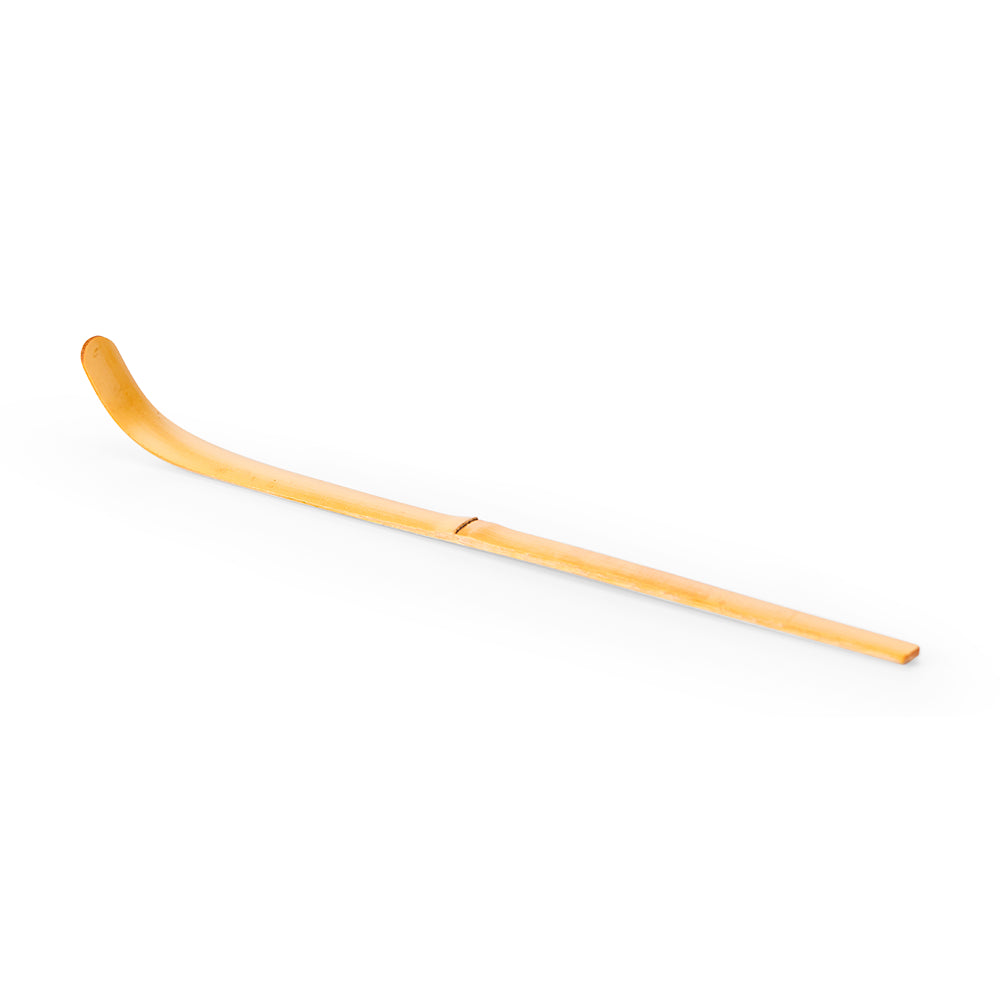
The chashaku (茶杓) is a slender bamboo scoop used to measure and transfer matcha powder from the container to the chawan. Traditionally hand-carved from a single piece of smoked or aged bamboo, the chashaku's gentle curve is designed to hold approximately 1–2 grams of matcha per scoop — the standard measure calls for 1.5 scoops (about 2 grams) for a bowl of usucha and 3–4 scoops (about 4 grams) for koicha.
In formal tea ceremony, each chashaku is given a poetic name (mei) by the tea master who carved it, reflecting the season, a literary reference, or a philosophical concept. While this level of artistry may seem unnecessary for home practice, the chashaku serves a genuinely practical purpose: its shallow curve prevents over-scooping and its narrow profile fits perfectly into matcha containers. Using a chashaku from Senbird Tea instead of a metal spoon also avoids potential oxidation reactions between metal and the delicate matcha powder.

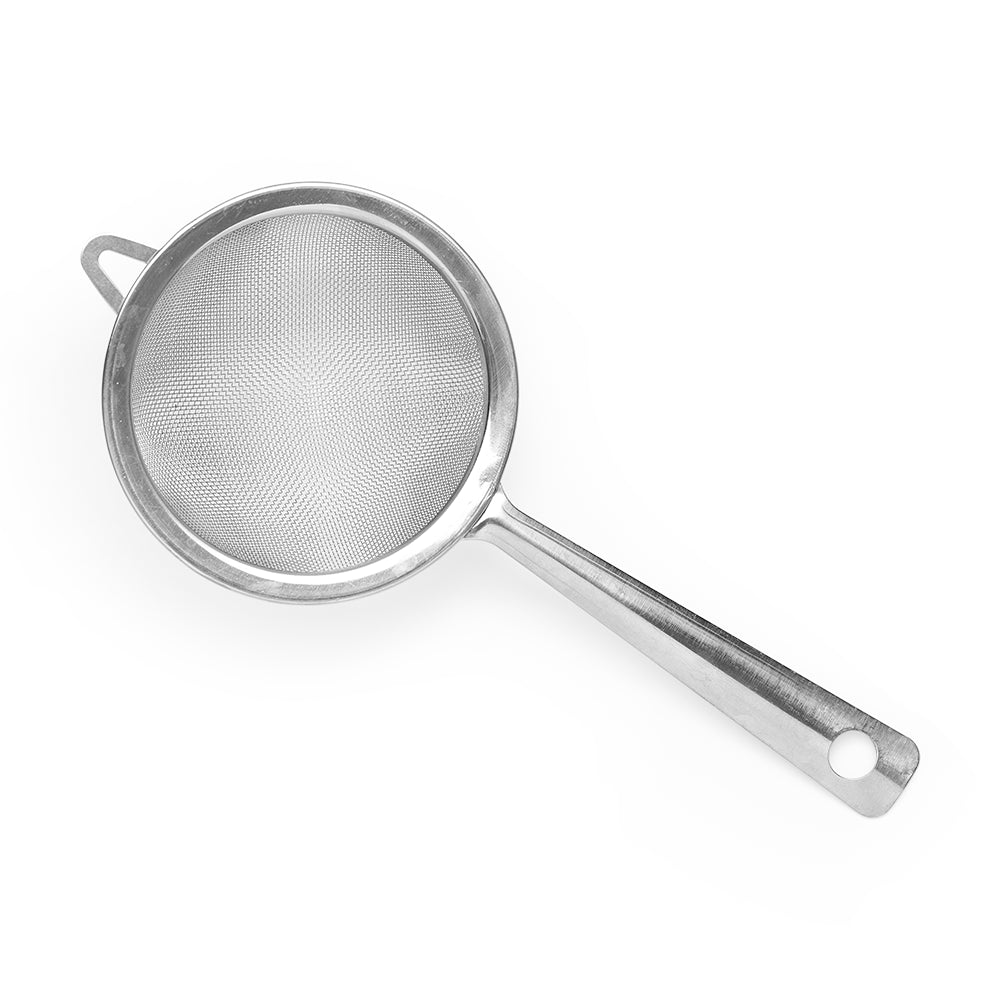
A fine mesh sifter (furui) may seem like an optional accessory, but it is one of the most impactful tools for achieving smooth, lump-free matcha. Matcha powder is extremely fine — typically 5–10 microns in particle size — and readily absorbs moisture from the air, causing it to clump. Sifting 2 grams of matcha through a fine stainless steel mesh takes about 30 seconds and breaks up all clumps before they enter the bowl, making whisking dramatically easier and the final texture noticeably smoother.
Professional matcha preparation in Japanese tea rooms always includes sifting as a standard step. The difference between sifted and unsifted matcha is immediately visible: sifted powder falls like silk into the chawan and incorporates into water almost instantly, while unsifted matcha often leaves stubborn lumps that even vigorous whisking cannot fully dissolve. Senbird Tea includes a stainless steel sifter with many of its matcha starter sets for this reason.

Water temperature is critical for matcha preparation — too hot and the tea becomes bitter and astringent; too cool and the flavors remain underdeveloped. The ideal temperature range for usucha is 70–80°C (158–176°F), while koicha is typically prepared at a slightly lower 65–75°C (149–167°F). A temperature-controlled electric kettle (such as a variable-temperature gooseneck kettle) removes the guesswork and ensures consistent results every time.
Traditional Japanese tea rooms use a cast-iron kettle (tetsubin or kama) heated over charcoal, which naturally heats water more gently than a stovetop and maintains temperature well due to the iron's thermal mass. For home practitioners, a modern variable-temperature kettle set to 80°C provides the most convenient solution. If you only have a standard kettle, simply boil the water and let it cool for 3–5 minutes — or pour it into a yuzamashi (cooling pitcher) from Senbird Tea's teaware collection to bring it down to the correct temperature quickly.

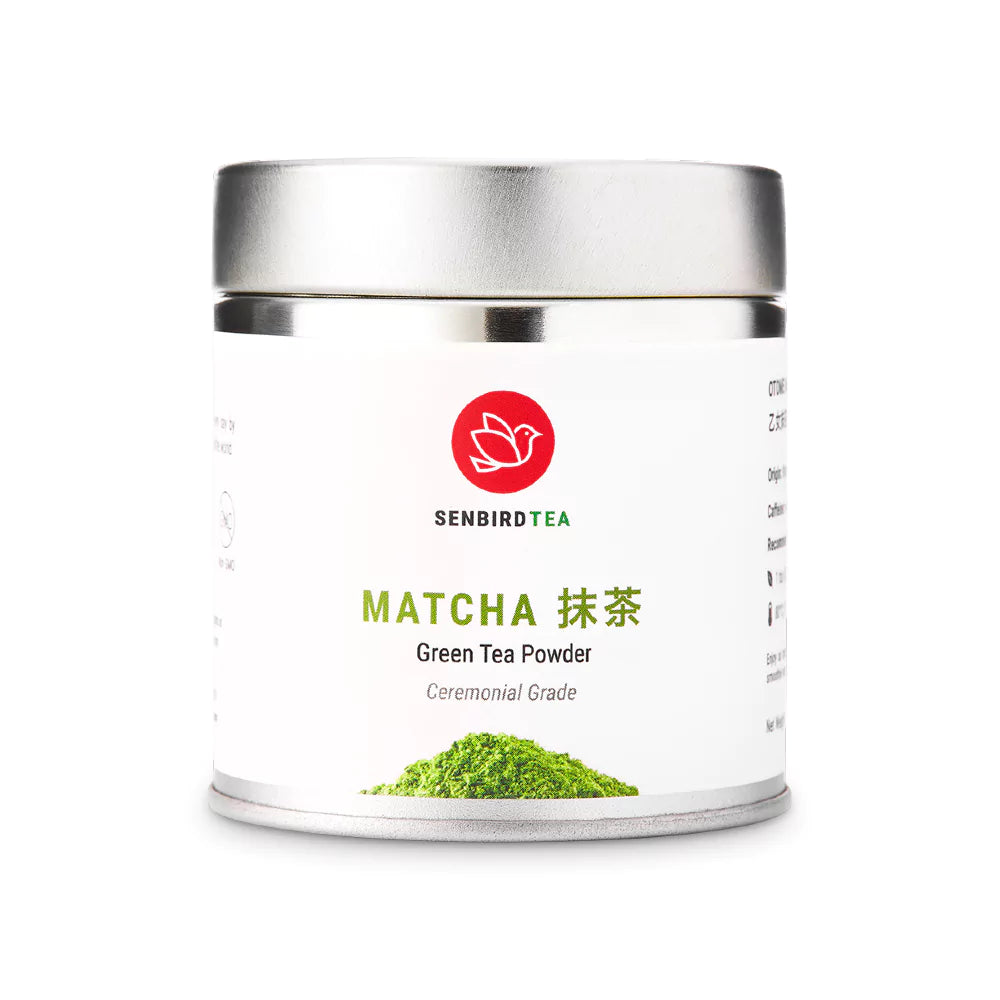
Proper storage directly affects matcha quality because the powder oxidizes rapidly when exposed to light, heat, air, or moisture. An unopened tin of high-quality matcha can maintain peak freshness for 6–12 months when stored correctly, but once opened, the window narrows to 4–8 weeks before flavor and color begin to degrade noticeably. The ideal storage container is an opaque, airtight canister — traditionally a natsume (lacquered tea caddy) for ceremony, or a double-lidded tin for daily use.
Senbird Tea recommends storing matcha in the refrigerator inside its airtight container, which slows oxidation significantly. However, always bring the container to room temperature before opening to prevent condensation from forming on the cold powder — moisture is matcha's worst enemy. A dedicated matcha canister with an inner lid and an outer lid provides the best protection against both air exposure and humidity infiltration.

Choosing the right matcha tools involves understanding how each item's material and design affect both the preparation process and the final cup. The table below compares all six essential tools.
| Tool | Material | Function | Lifespan | Care Instructions |
|---|---|---|---|---|
| Chawan (Bowl) | Ceramic (raku, hagi, mino) | Whisking and drinking vessel | Lifetime with care | Hand wash, air dry upside down, avoid dishwasher |
| Chasen (Whisk) | White bamboo (hand-carved) | Whisks matcha into smooth froth | 3–6 months (daily use) | Rinse after each use, store on kusenaoshi holder |
| Chashaku (Scoop) | Bamboo (smoked or natural) | Measures and transfers matcha | Years with care | Wipe clean with dry cloth, never submerge in water |
| Sifter | Stainless steel mesh | Breaks up powder clumps | Years | Tap clean after use, occasional warm water rinse |
| Kettle | Stainless steel / cast iron | Heats water to precise temperature | Years | Descale periodically, dry thoroughly after use |
| Tea Canister | Tin or lacquerware | Airtight matcha storage | Years | Keep dry, store in cool dark place, wipe clean |
To make matcha at home, you need six essential tools: a chawan (matcha bowl) approximately 12 cm wide for whisking room, a chasen (bamboo whisk) with 80–100 tines for creating smooth froth, a chashaku (bamboo scoop) for measuring the correct amount of powder, a fine mesh sifter to eliminate clumps, a temperature-controlled kettle or water heater set to 70–80°C, and an airtight tea canister for proper storage. Senbird Tea offers complete starter sets that include all these tools for convenient home practice.
A bamboo chasen is superior to metal whisks for matcha preparation for several reasons. The bamboo's natural flexibility allows the tines to spring back without damaging the delicate ceramic surface of the chawan. Bamboo does not react chemically with matcha's catechins the way metal can, preserving the tea's pure flavor profile. The fine, numerous tines of a hand-carved chasen create a smoother, creamier froth with finer bubbles than any metal whisk can achieve. The bamboo material also absorbs slight amounts of tea over time, which practitioners believe adds subtle depth to the whisking experience.
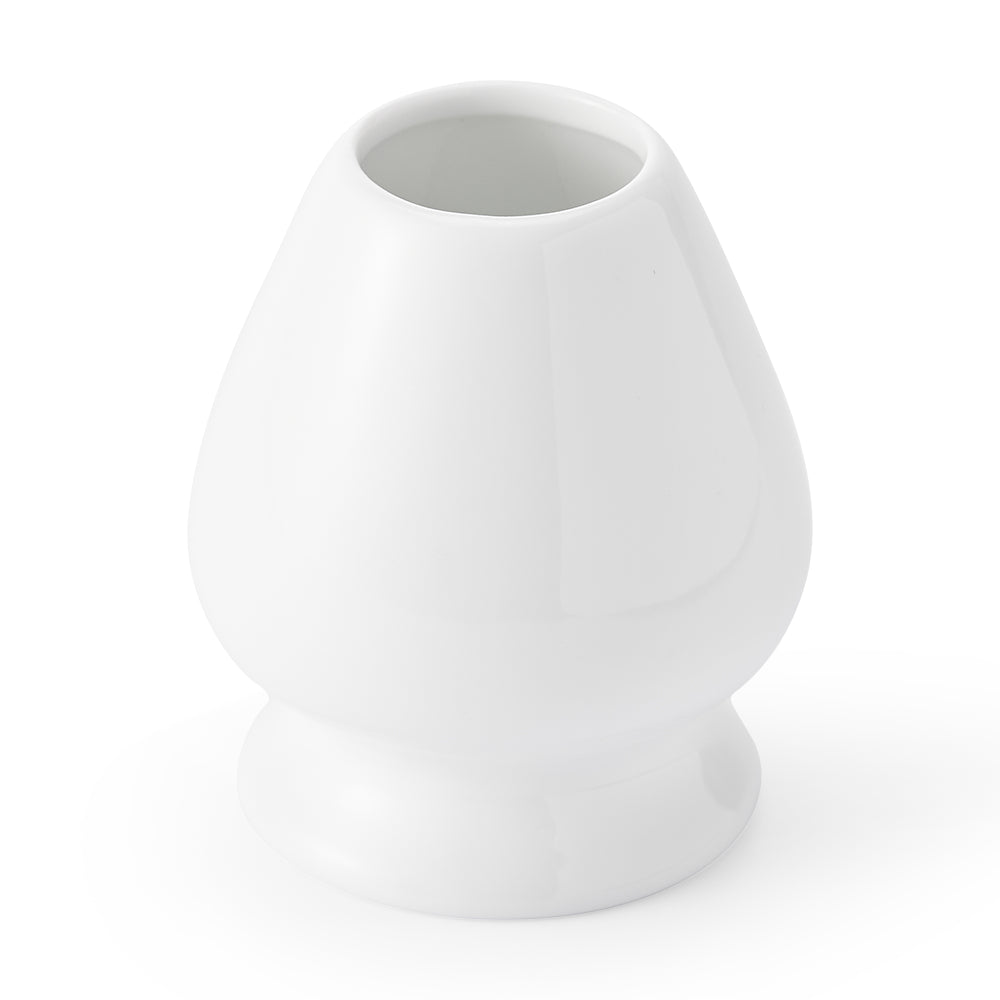
A bamboo chasen typically lasts 3–6 months with daily use, or up to a year with less frequent use. The tines gradually lose their curve and may begin to break, which is a natural part of the bamboo tool's lifecycle. Signs that your chasen needs replacing include visibly broken or missing tines, tines that no longer hold their curved shape, or an inability to create proper froth. Storing the chasen on a kusenaoshi (whisk holder) after each use preserves the tine shape and extends its lifespan. Senbird Tea carries replacement chasen for when yours needs refreshing.
The ideal water temperature for matcha is 70–80°C (158–176°F) for usucha (thin tea) and 65–75°C (149–167°F) for koicha (thick tea). Water that is too hot (above 85°C) will over-extract tannins and caffeine, making the matcha taste bitter and harsh. Water that is too cool (below 65°C) will not fully dissolve the matcha or develop its complete flavor profile. If you do not have a temperature-controlled kettle, boil water and let it cool for 3–5 minutes, or pour it through a yuzamashi cooling pitcher before adding it to the matcha.
Matcha should be stored in an airtight, opaque container in a cool, dark location — ideally in the refrigerator at 4–8°C (39–46°F). The four enemies of matcha freshness are light, heat, air, and moisture. Always seal the container tightly after each use and bring it to room temperature before opening to prevent condensation. Once opened, matcha maintains peak freshness for approximately 4–8 weeks. Unopened, properly stored matcha from Senbird Tea retains its quality for 6–12 months from the production date.
抹茶セット
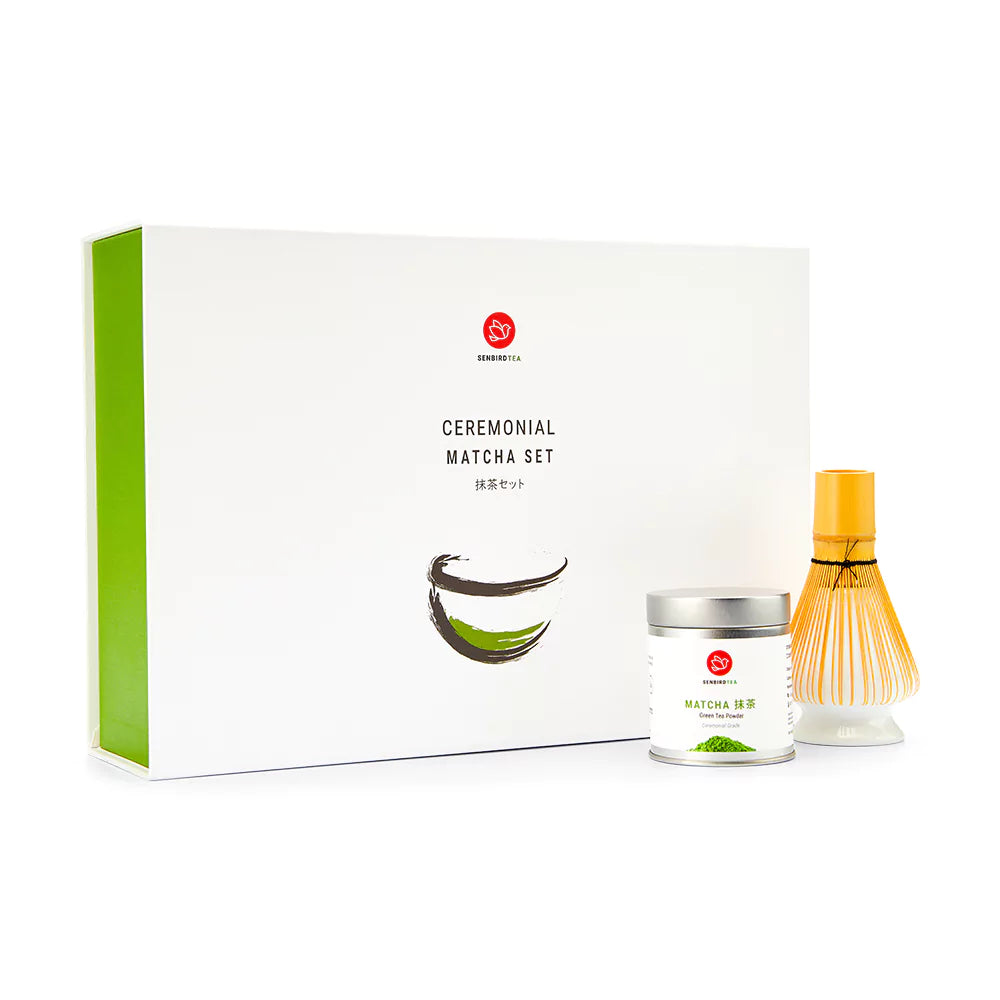
A ceremonial matcha set inspired by the Japanese tea ceremony, featuring six essential tools for a mindful matcha experience at home.