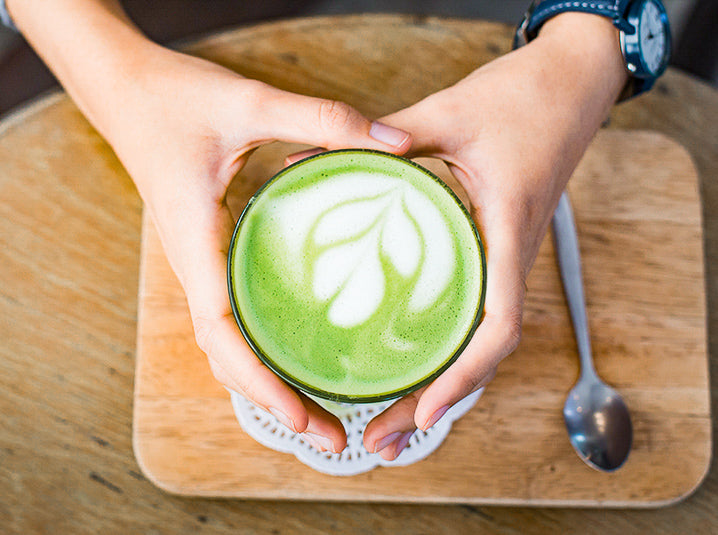


Why is matcha so popular? With impressive health benefits and a rich taste, matcha popularity has grown on the global market over recent years. For centuries, Japan has been using matcha in tea ceremonies as it enhances focus while calming the body and mind. The principle of the Japanese tea ceremony is to enjoy and appreciate your cup of tea, which carries into modern tea rituals today.

Originating from China, matcha is a shade-grown green tea that is stone-ground into an ultra-fine powder. What makes matcha unique among all teas is the growing process: tea plants destined for matcha are covered with shade structures for 20 to 30 days before harvest. This extended shading forces the plants to produce significantly more chlorophyll and L-theanine—the amino acid responsible for matcha's signature umami flavor and calm-focus effect.
After harvesting, the leaves are steamed, dried, and deveined to produce tencha, the raw material that is then slowly stone-ground into matcha powder using traditional granite mills. A single mill produces only about 40 grams per hour, which is one reason high-quality matcha commands a premium price. Because you consume the entire leaf when drinking matcha, a single cup delivers far more antioxidants, amino acids, and vitamins than steeped green tea.
The historic center of matcha production is Uji, Kyoto, where tea masters have refined shade-growing and stone-grinding techniques for over 800 years. Senbird Tea's matcha is sourced from this tradition, offering ceremonial and everyday grades that reflect centuries of craftsmanship.

Matcha green tea is specifically in demand for its impressive nutritional benefits. The shading process boosts L-theanine levels, which promotes relaxation and sustained focus without the jittery crash associated with coffee. A single serving of matcha contains roughly 35 mg of caffeine alongside 25 mg of L-theanine—a combination researchers call "calm alertness."
The vibrant green color comes from concentrated chlorophyll, which also acts as a natural detoxifier. Because matcha is made from whole ground leaves, one cup delivers the antioxidant equivalent of approximately ten cups of regular brewed green tea. The key antioxidant, EGCG (epigallocatechin gallate), has been extensively studied for its anti-inflammatory and metabolic benefits.
Beyond antioxidants, matcha provides fiber, vitamin C, selenium, chromium, and zinc. It's a nutrient-dense addition to any daily routine, whether consumed as a traditional whisked tea or blended into a latte.

Matcha's journey from Japanese tea ceremony staple to global phenomenon is one of the most remarkable food trends of the 21st century. Zen Buddhist monks first brought powdered tea from China to Japan in the 12th century, and the ritualized preparation of matcha became central to Japanese culture through chanoyu (the way of tea). For centuries, matcha remained a distinctly Japanese tradition.
The turning point came in the 2010s, when health-conscious consumers in the West discovered matcha's antioxidant profile. Social media accelerated the trend—matcha's vivid green color made it one of the most photographed beverages on Instagram. Cafés from New York to London added matcha lattes to their menus, and the global matcha market surpassed $3 billion in 2023 with projections to exceed $5 billion by 2028.
Celebrity endorsements and wellness culture have further cemented matcha's status. Unlike many food trends that fade quickly, matcha has shown staying power because the health benefits are backed by decades of research, not just marketing. The combination of genuine nutritional value and visual appeal has created a lasting shift in how the world consumes tea.

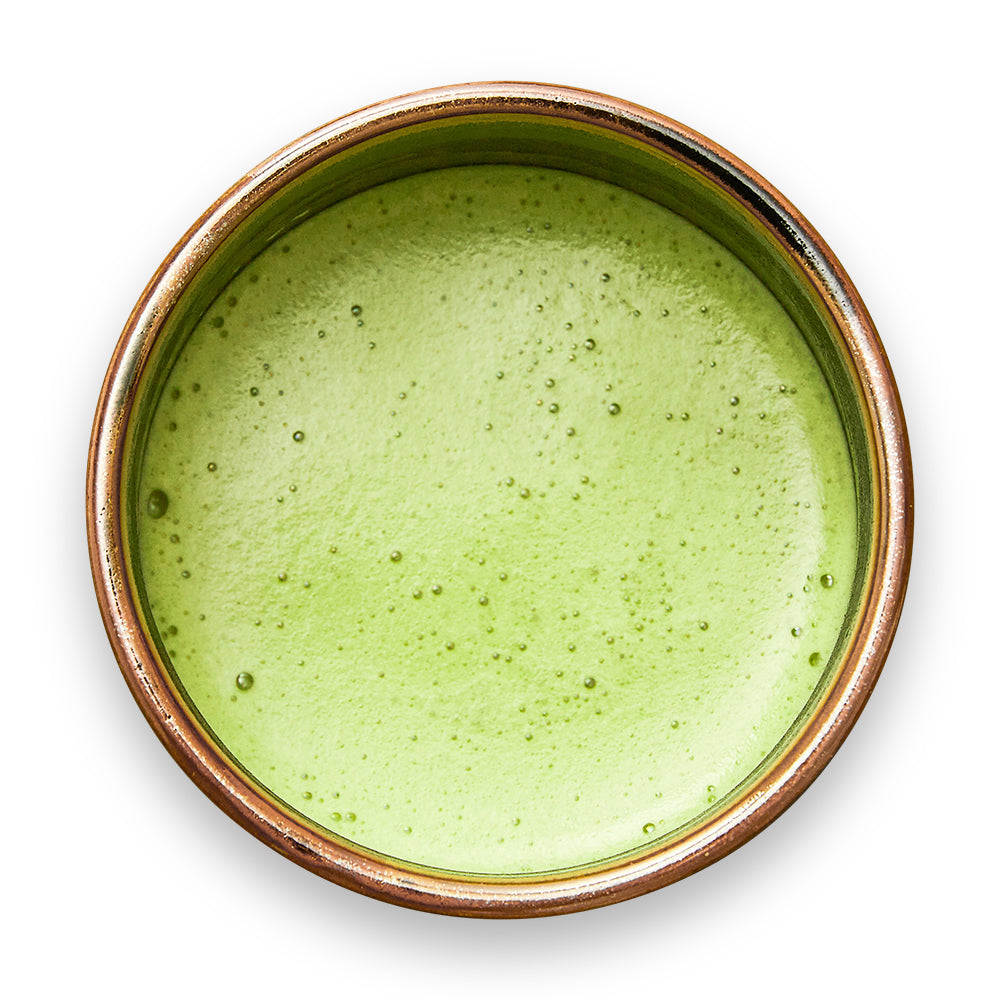
Matcha has a distinct flavor that makes it versatile across both beverages and food. The matcha latte has become the gateway product—walk into almost any specialty café and you'll find it on the menu. Whether hot or iced, matcha lattes pair the earthy richness of matcha with the creaminess of milk or oat milk for a drink that is both indulgent and healthful.
In the kitchen, matcha appears in everything from cakes and cookies to ice cream, smoothies, and cocktails. The key is understanding matcha grades: ceremonial grade is best for drinking (whisked with hot water or in lattes), while culinary grade is designed for cooking and baking where the matcha flavor needs to hold up against other ingredients.
Senbird Tea's Matcha Towa is an excellent everyday matcha for both drinking and cooking. It works beautifully whisked with hot water for a traditional bowl of matcha, or blended into a smooth iced latte.
The matcha latte remains the most popular way new drinkers discover Japanese green tea, whether at a local café or made at home with just matcha, milk, and ice.
For cafés, restaurants, and retailers looking to add matcha to their menus, Senbird Tea offers wholesale Japanese tea sourced directly from Japan.

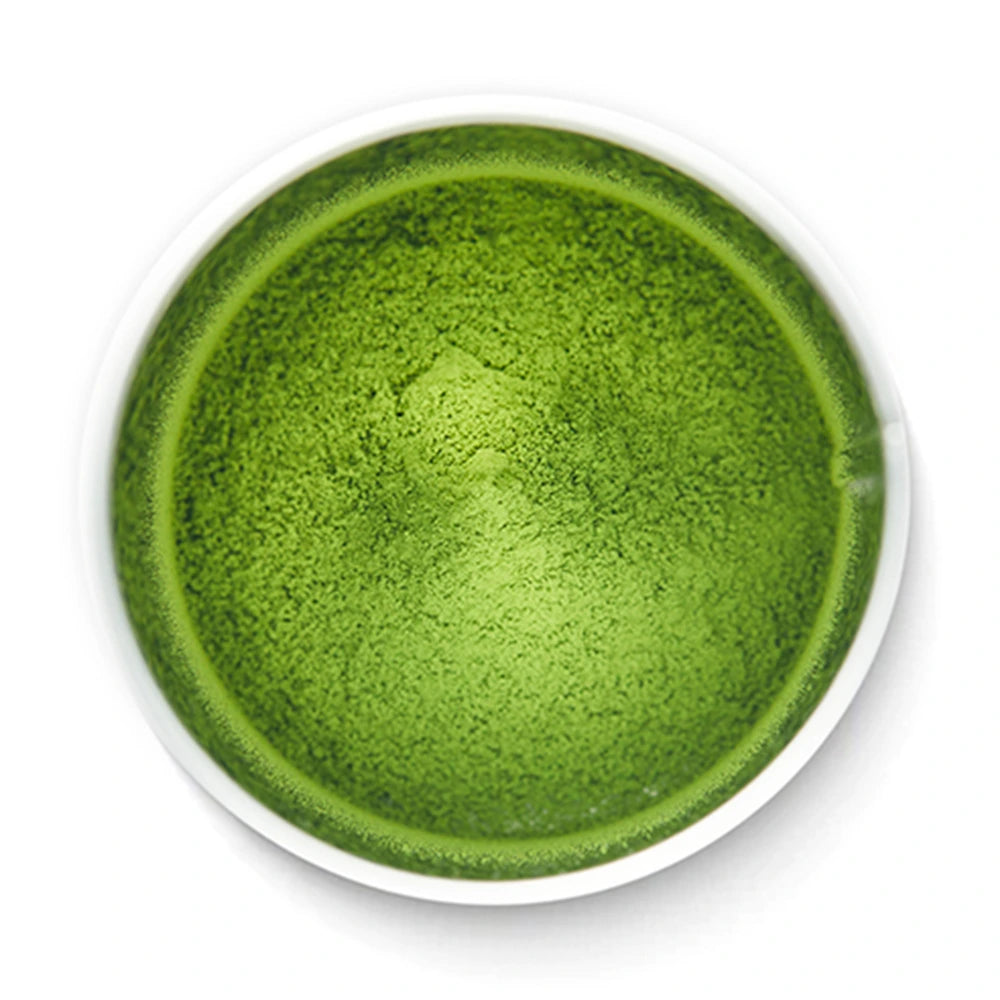
Not all matcha is created equal, and knowing what to look for makes the difference between a vibrant, smooth cup and a bitter, dull one. The most important indicator is color: high-quality matcha is a vivid, bright green. If it looks yellowish or olive-toned, the tea was likely harvested from insufficiently shaded plants or is oxidized from poor storage.
Origin matters too. The finest matcha comes from Japan's traditional growing regions—Uji (Kyoto), Nishio (Aichi), and parts of Kagoshima. These areas have the climate, soil, and expertise to produce matcha with complex flavor and rich nutrient profiles. Be cautious of matcha marketed without a clear origin, as quality varies significantly.
Finally, consider how it was ground. Traditional stone-grinding produces a finer, silkier powder that whisks smoothly and tastes less bitter than machine-ground alternatives. The slower process also generates less heat, preserving the delicate flavor compounds and bright color. Senbird Tea's ceremonial-grade matcha is stone-ground in Uji, delivering the quality that 800 years of tradition demands.
Matcha requires weeks of shade-growing, careful hand-harvesting of only the youngest leaves, removal of stems and veins, and slow stone-grinding that produces just 40 grams per hour. Every step adds labor and time. The result is a tea where you consume the entire leaf, delivering far more nutrients per cup than steeped tea—but the intensive process makes it a premium product.
Ceremonial-grade matcha is made from the youngest, most tender leaves and has a smooth, naturally sweet flavor ideal for drinking straight or in lattes. Culinary-grade matcha uses slightly more mature leaves with a stronger, more robust flavor designed to hold up in recipes like baked goods, smoothies, and ice cream. Both grades are stone-ground and high quality—the difference is in intended use, not necessarily in purity.
Most health studies showing benefits use one to three servings per day, providing roughly 100–300 mg of catechins. One standard serving is 2 grams (about one teaspoon) whisked with 60–80 ml of water. Because matcha contains caffeine (roughly 35 mg per serving), spacing your intake throughout the day and avoiding matcha close to bedtime is recommended for caffeine-sensitive individuals.
A standard serving of matcha contains approximately 35 mg of caffeine, compared to 95 mg in a typical cup of coffee. However, matcha's caffeine is paired with L-theanine, which modulates the stimulant effect to produce sustained focus without the spike-and-crash pattern common with coffee. Many people who switch from coffee to matcha report feeling more evenly energized throughout the day.
Matcha is best consumed within one to two months of opening, as exposure to air, light, and moisture causes oxidation that dulls the color and flavor. Store matcha in an airtight container in a cool, dark place—or in the refrigerator for longer preservation. Unopened, high-quality matcha typically stays fresh for six to twelve months from the production date.
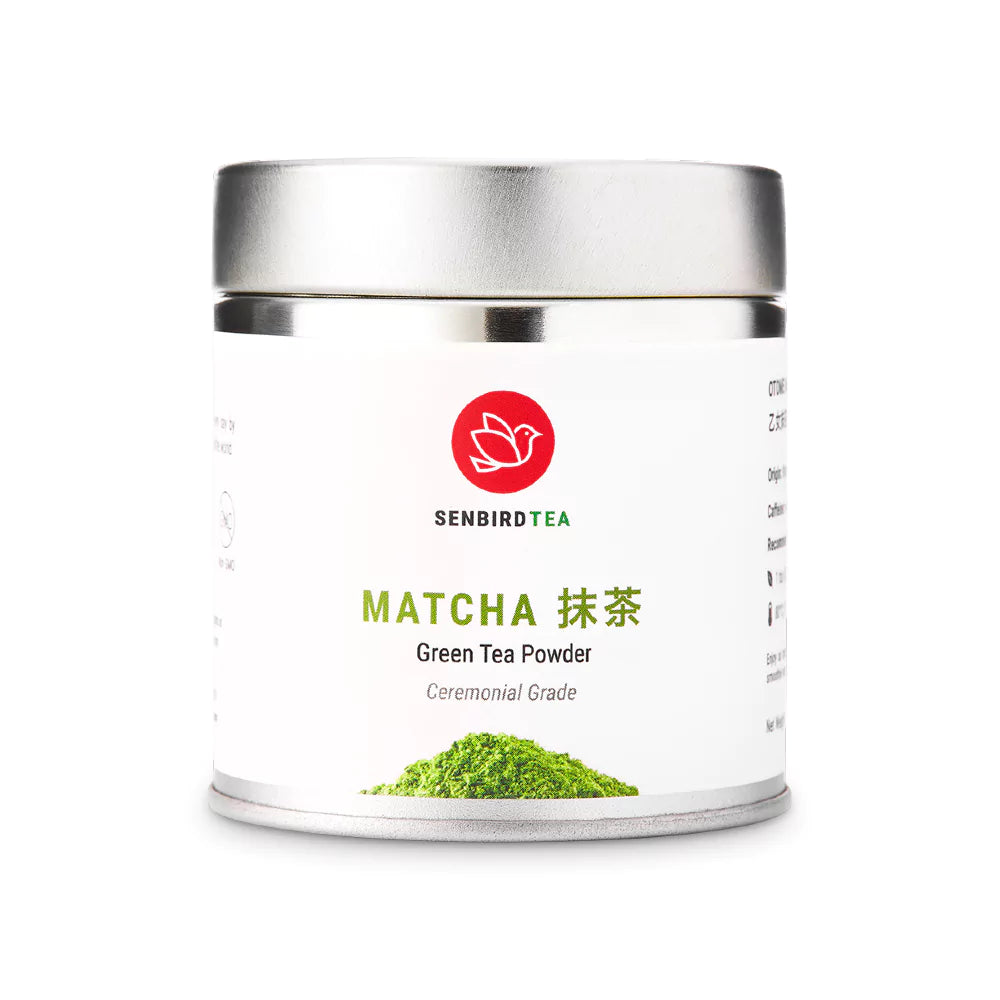
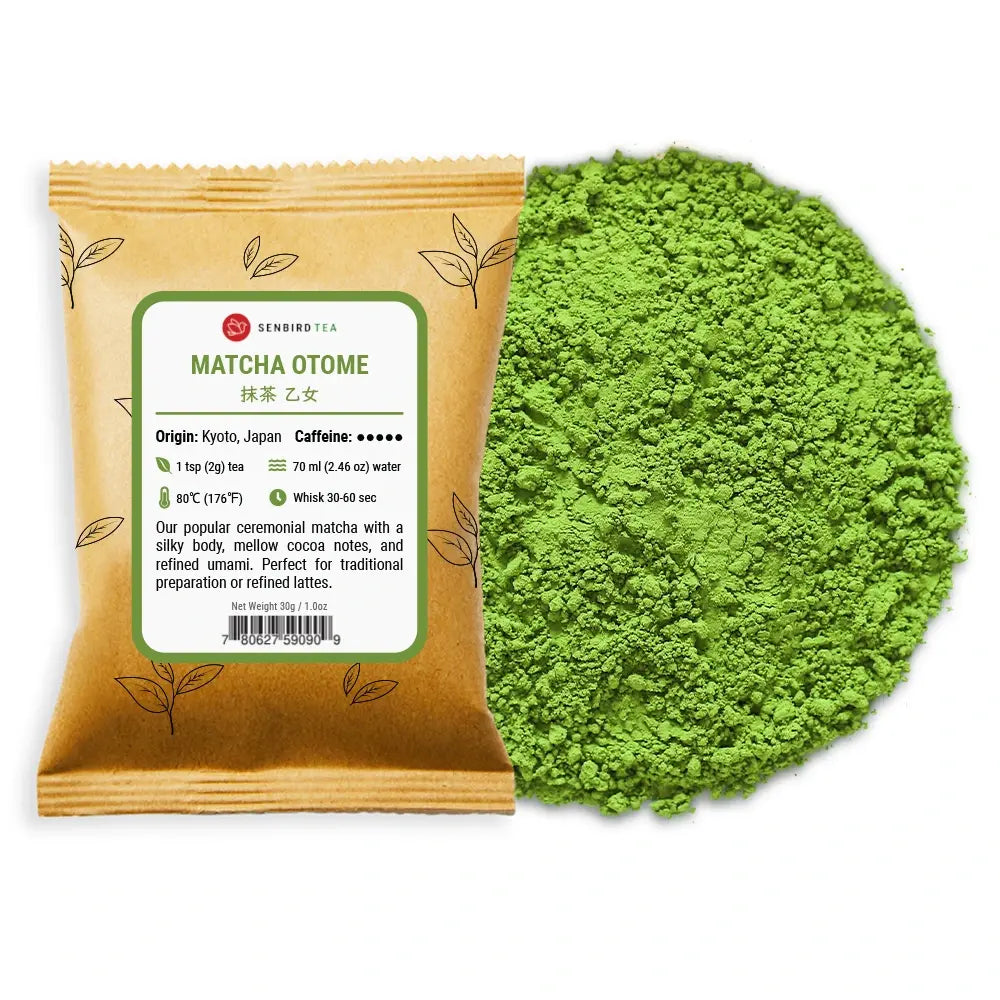
抹茶乙女
Our best-selling ceremonial Okumidori matcha with a silky body, mellow cocoa notes, and refined umami, perfect for traditional preparation or refined lattes.