5 Things to Know About Tencha, the Tea Leaves of Matcha When most people think of matcha, they think of a bright green powder whisked into a smooth bowl of tea. However, each sip of premium matcha has an unassuming, lesser-known...
Hojicha Powder vs. Hojicha Loose Leaf: Discovering the Differences in Taste, Texture, and Use Hojicha powder and hojicha loose leaf are two forms of the same beloved Japanese roasted green tea, but they offer distinctly different experiences in taste, texture, preparation, and culinary application....
Gyokuro vs. Sencha: What’s the Difference? Explore the differences between Gyokuro vs. Sencha. Discover unique flavors and cultivation methods of these Japanese green teas.
Japanese Green Tea Cultivars and Characteristics: Everything You Need to Know Japanese green tea cultivars are specific tea plant varieties bred and selected over generations to produce distinct flavors, aromas, and growing characteristics. Japan cultivates over 100 registered tea cultivars, each...
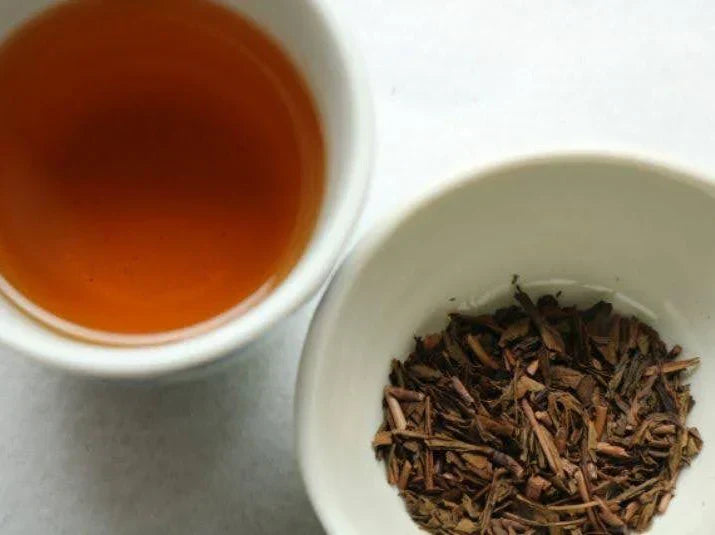
Everything You Need to Know About Hojicha Roasted Green Tea Hojicha is a distinctive Japanese roasted green tea that stands apart from other green teas due to its warm, toasty flavor profile, reddish-brown color, and naturally low caffeine content. Created...
Sencha Tea vs Matcha: What's the Difference? Sencha and matcha are both Japanese green teas made from the same plant (Camellia sinensis), but they differ fundamentally in how they are grown, processed, prepared, and consumed. Sencha is...
How to Brew the Perfect Cup of Gyokuro Green Tea Gyokuro is Japan's most prestigious green tea, prized for its intensely sweet umami flavor, deep jade color, and exceptionally smooth body that results from an extended shading period of 20–30...
Matcha vs Coffee: Choosing Your Best Morning Drink Matcha and coffee are the two most popular caffeinated morning beverages worldwide, but they deliver energy, health benefits, and flavor in fundamentally different ways. Matcha provides a smoother, more sustained...
Ceremonial Matcha vs. Culinary Matcha: Understanding the Difference Ceremonial matcha and culinary matcha are two distinct grades of Japanese green tea powder that differ in leaf selection, processing standards, flavor profile, color, and intended use. Ceremonial grade matcha...
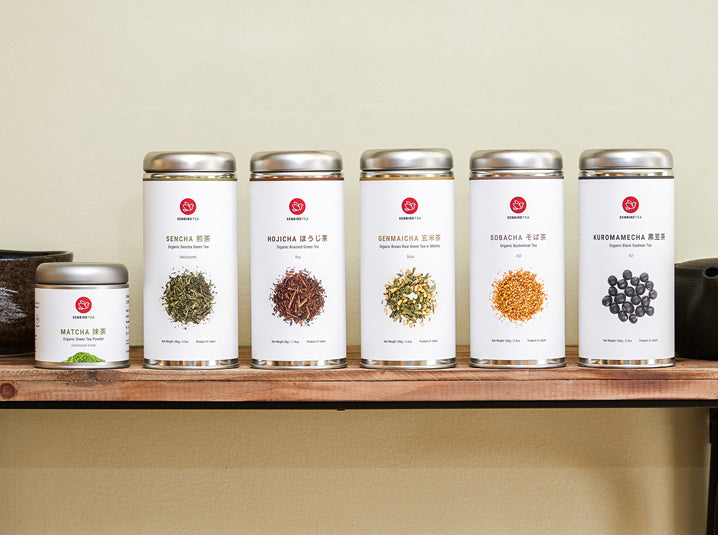
10 Unique Varieties: A Guide to Japanese Teas Japanese tea culture goes back to the 9th century. 815 CE is when it was first recorded that people in Japan drank tea. Today, Japanese tea is known for its...
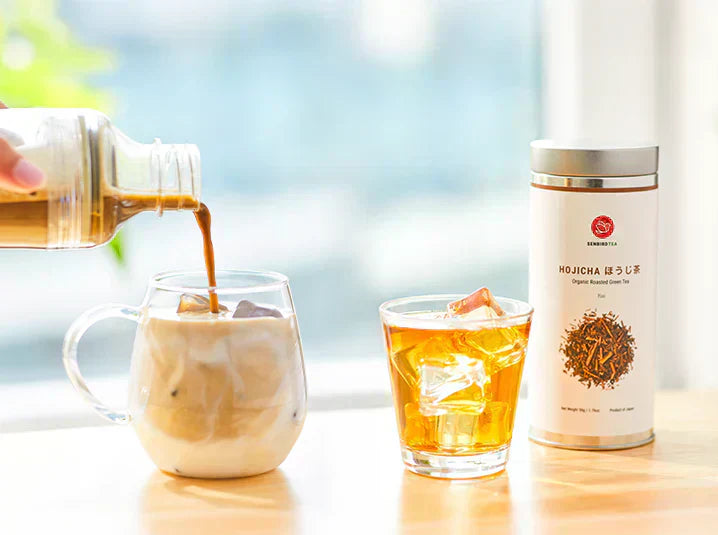
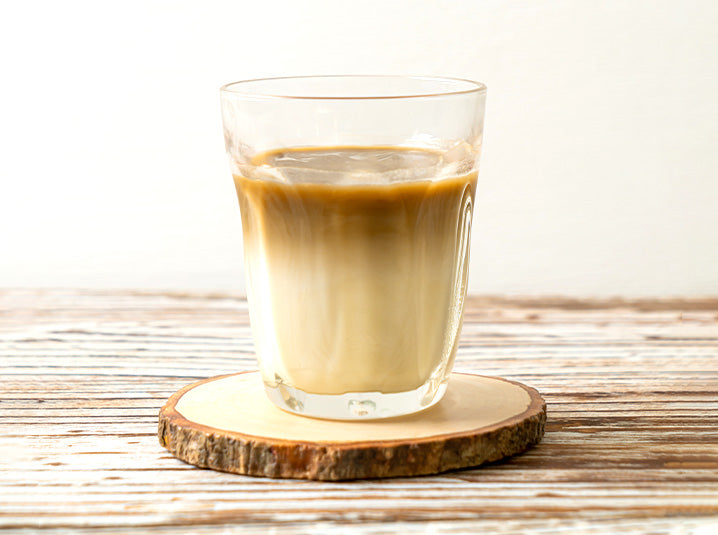
Hojicha Latte Recipe A hojicha latte combines the warm, roasted flavor of Japanese hojicha tea with creamy steamed milk for a comforting, low-caffeine alternative to coffee and matcha lattes. This recipe from Senbird...
A Guide to Hojicha Roasted Green Tea: Different Types, Benefits, and How to Brew Hojicha is a distinctive Japanese roasted green tea known for its warm, caramel-like flavor, reddish-brown color, and naturally low caffeine content. Unlike most green teas that are steamed and dried,...
How Japanese Matcha Green Tea Powder is Made Japanese matcha green tea powder is made through a meticulous multi-step process that begins with shading tea plants for 20–30 days before harvest, followed by careful hand-picking of the youngest...
Ultimate Green Tea Guide: Types of Japanese Green Tea Green tea remains one of the most popular choices among tea drinkers. Originally rooted in traditional Chinese medicine, it gained recognition for its numerous health benefits, natural energy boost, and...
How To Make Kooridashi Ice Gyokuro Cold Brew Kooridashi is a traditional Japanese cold-brewing method that uses ice instead of cold water to extract tea, producing the most concentrated and umami-rich gyokuro possible. By placing high-quality gyokuro leaves...
Matcha Caffeine Content vs Coffee Matcha and coffee are the two most popular sources of daily caffeine, but they deliver energy in fundamentally different ways. A standard serving of matcha contains 60–70 mg of caffeine—roughly...
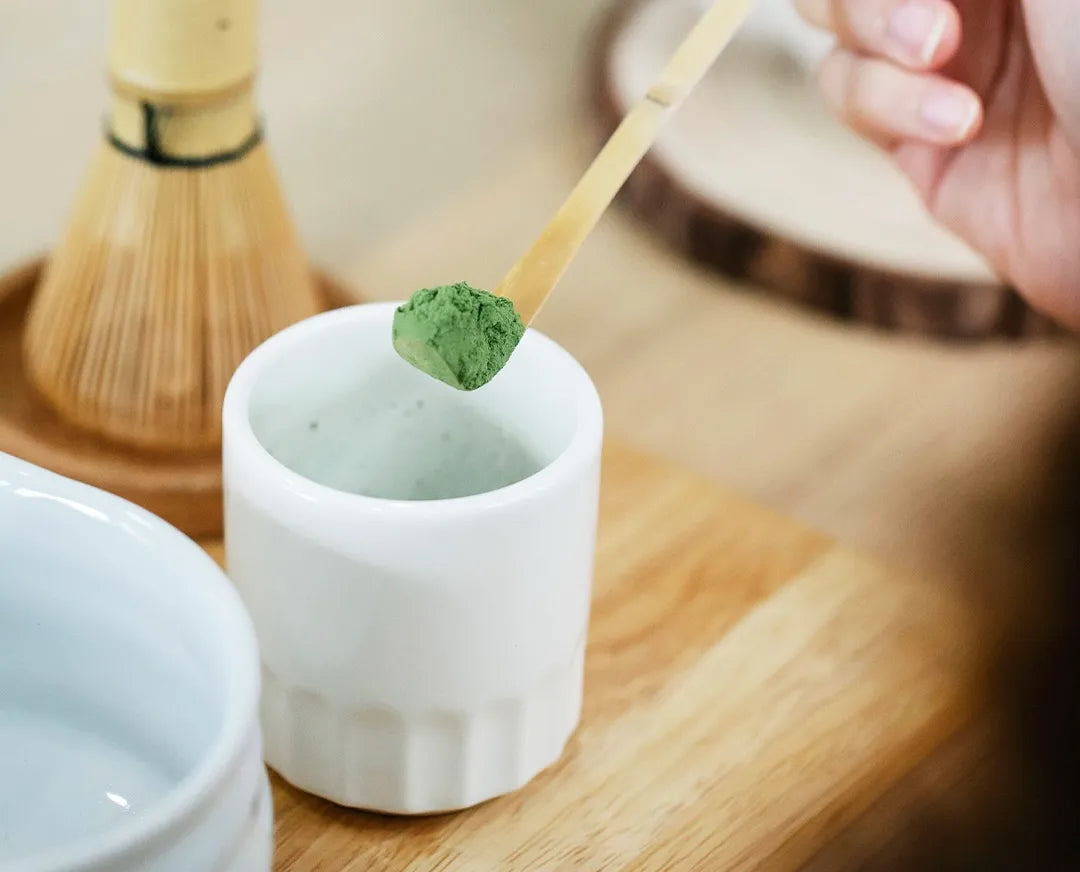
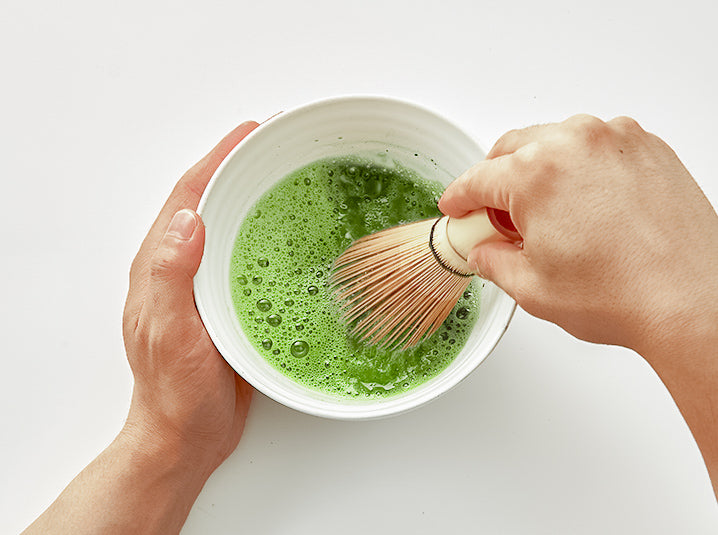
How to Make Matcha Without a Whisk: 3 Easy Methods Matcha green tea is a powerhouse of antioxidants. Made from stone-ground first-pick tea buds of the spring season, matcha green tea comes in a powder form and can’t be steeped...
How to Brew the Perfect Cup of Sencha Green Tea Brewing the perfect cup of sencha green tea requires attention to three variables: water temperature, leaf-to-water ratio, and steeping time. Getting these right transforms sencha from a generic green tea...
Does Japanese Green Tea Have Caffeine? A Guide to Caffeine in Japanese Teas Japanese green tea does contain caffeine, but the amount varies dramatically by type — from 70 mg per serving of matcha down to zero for caffeine-free herbal tea like mugicha...
Japanese Sencha Green Tea Guide: Health Benefits, Types, And How To Brew Welcome to our comprehensive guide to Japanese green tea where we explore the benefits of Sencha! As the most popular green tea in Japan, sencha makes up approximately 80% of...
How to Prepare Matcha: Usucha vs. Koicha Matcha can be prepared in two distinct styles—usucha (薄茶, thin tea) and koicha (濃茶, thick tea)—each producing a fundamentally different drinking experience. Usucha is the lighter, frothy preparation most people...
Why is Gyokuro So Expensive? Gyokuro is Japan's most expensive green tea, typically retailing at three to five times the price of standard sencha. The higher cost is not marketing — it reflects a genuinely...
Why is Matcha So Popular? A Guide to Japan's Favorite Green Tea Why is matcha so popular? With impressive health benefits and a rich taste, matcha popularity has grown on the global market over recent years. For centuries, Japan has been using...